
Shanghai
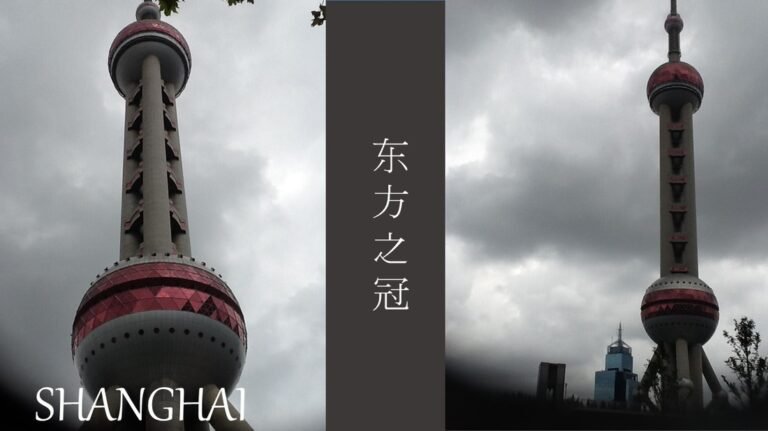
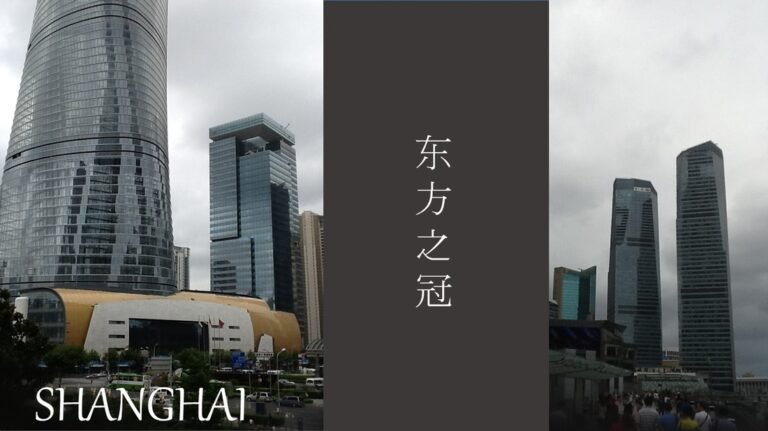
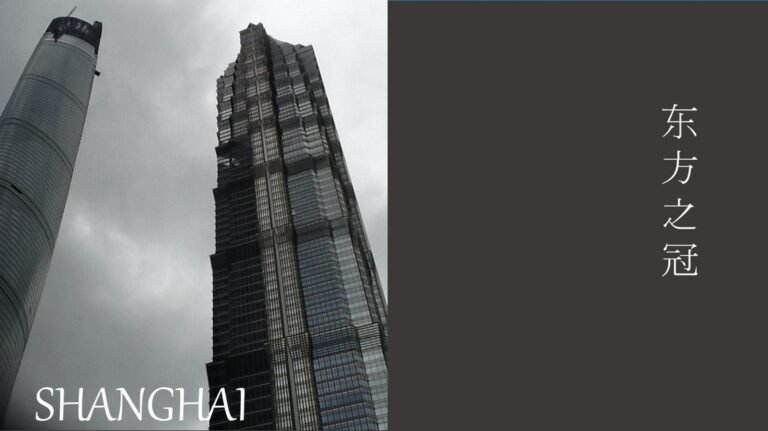
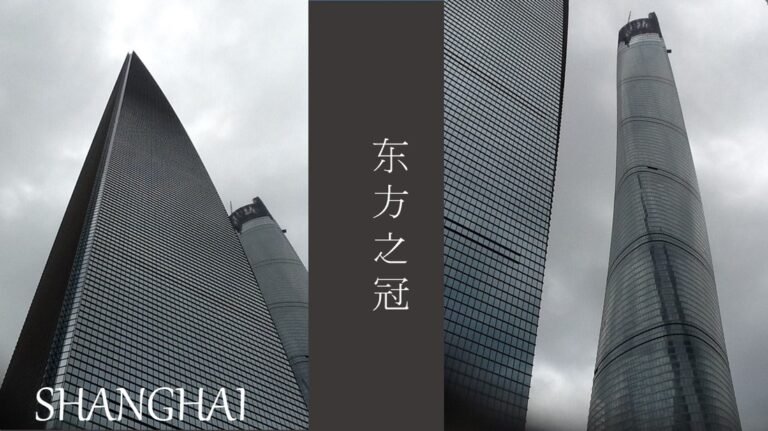
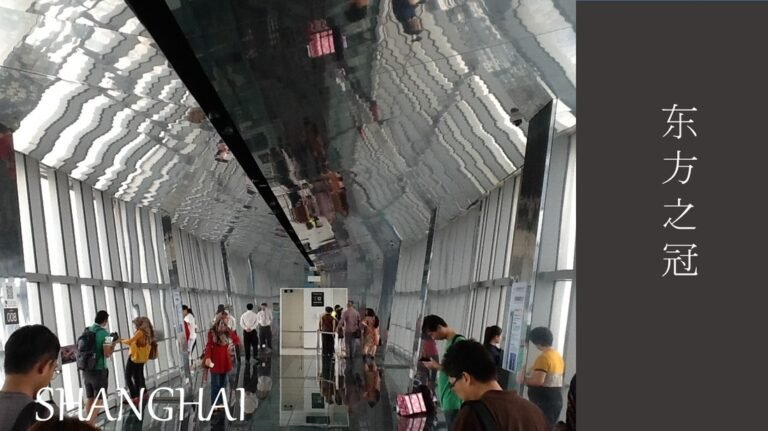
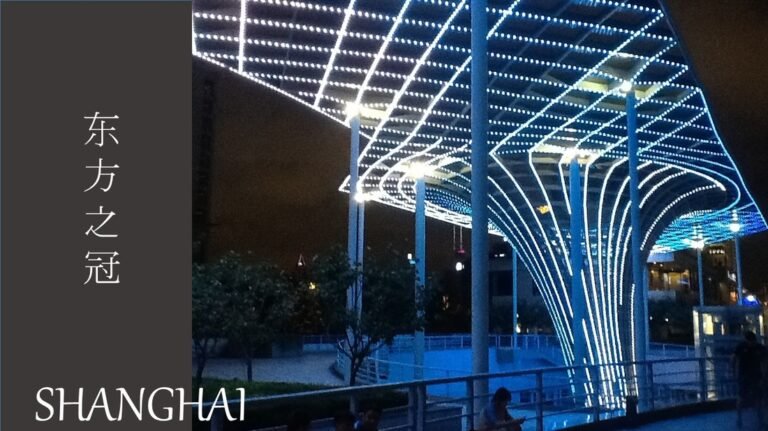
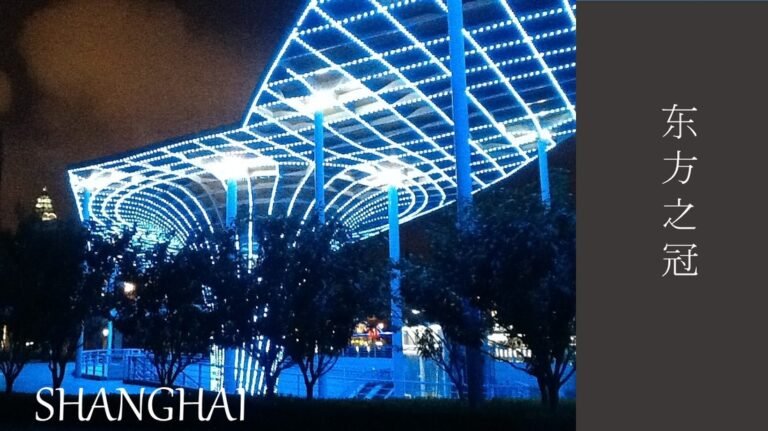
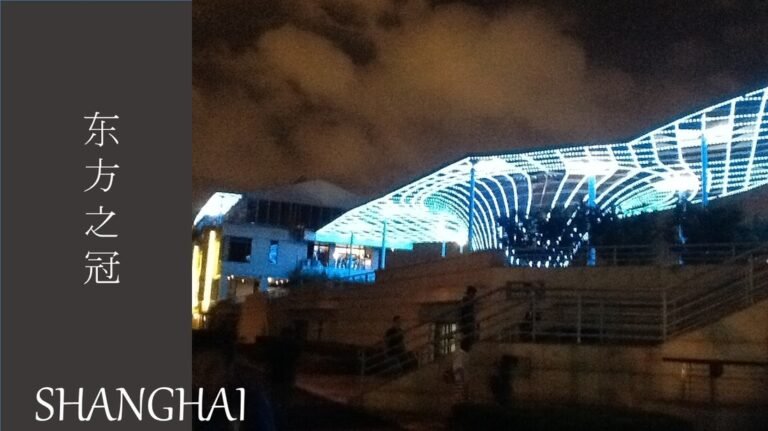
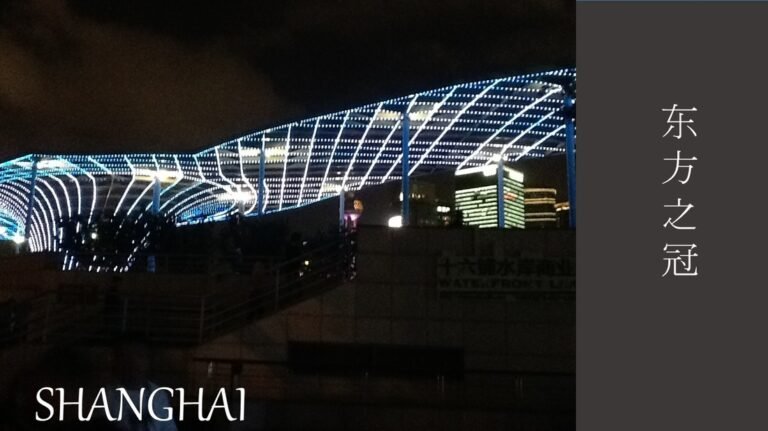
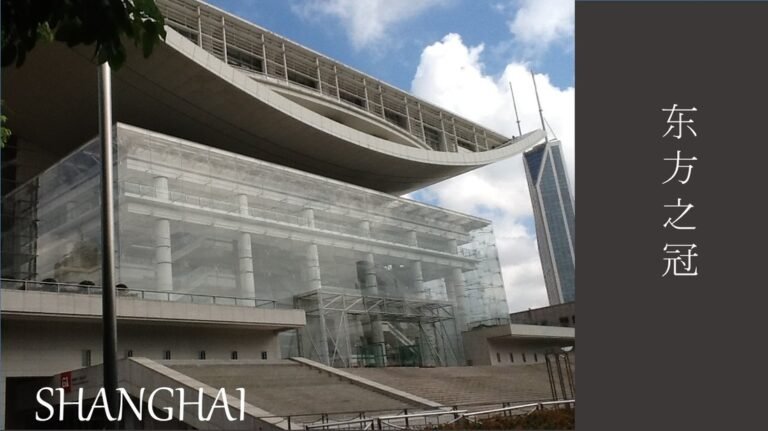
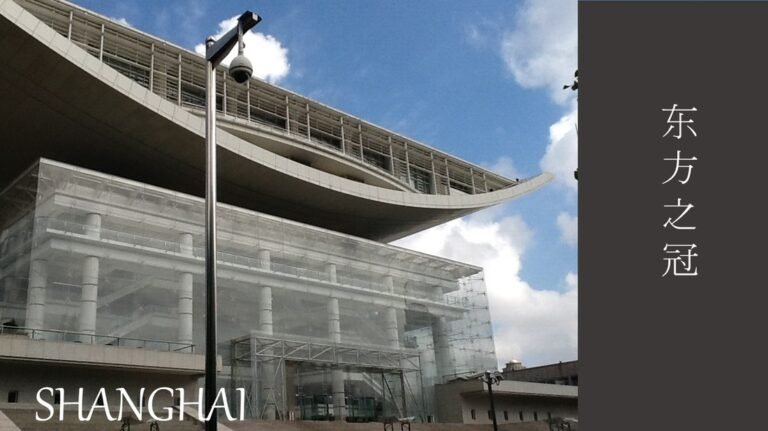
EASTERN PEARL 东方之冠
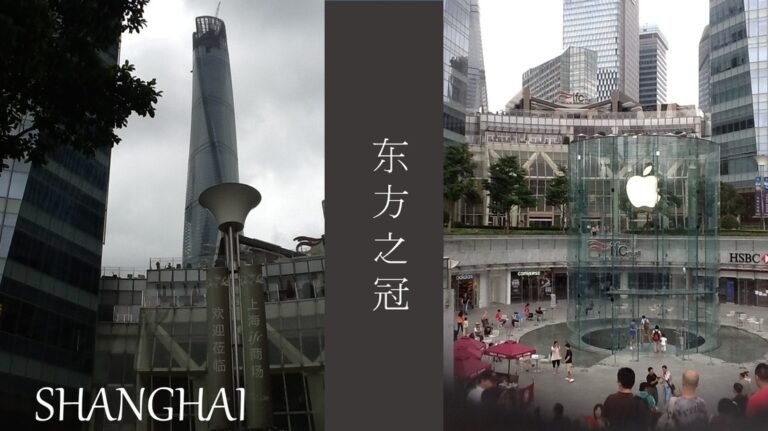
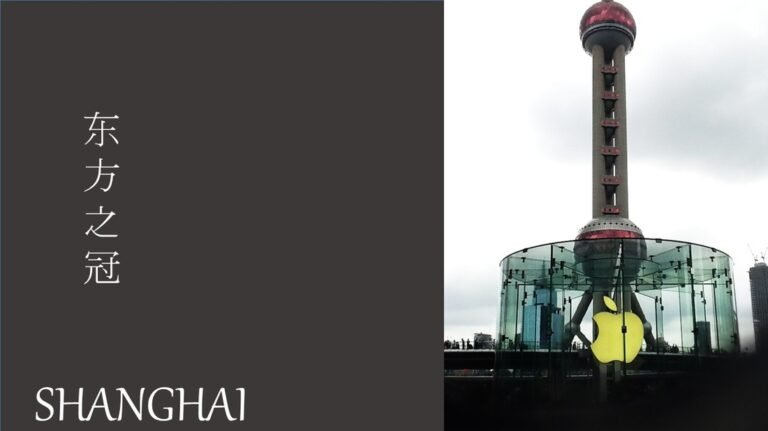
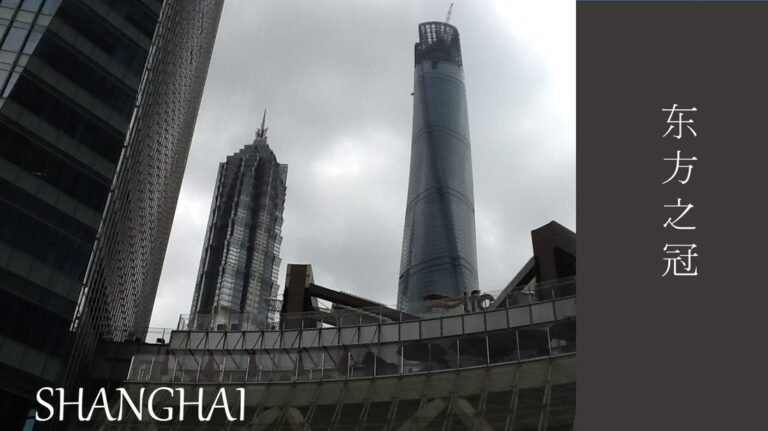
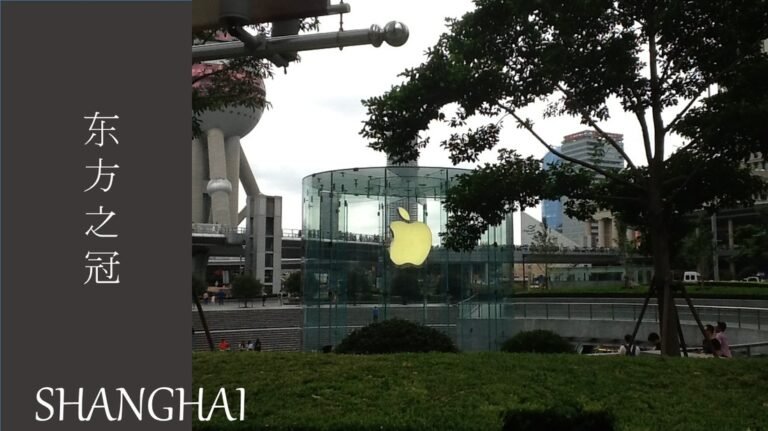
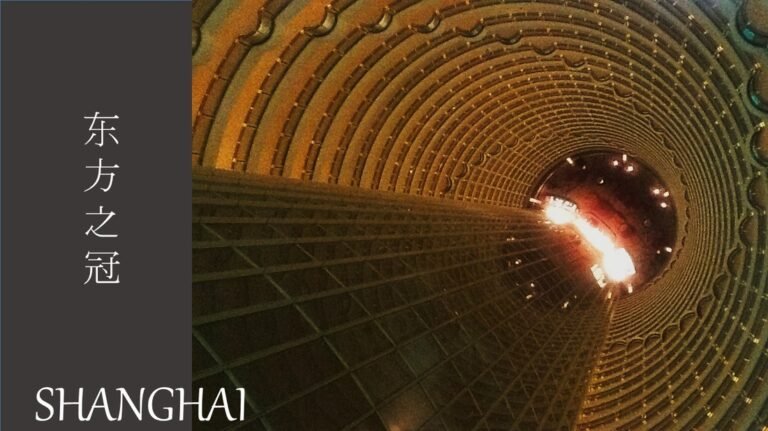
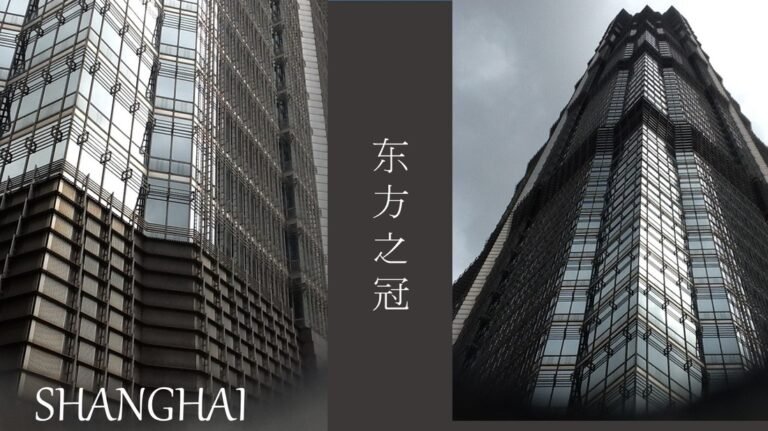
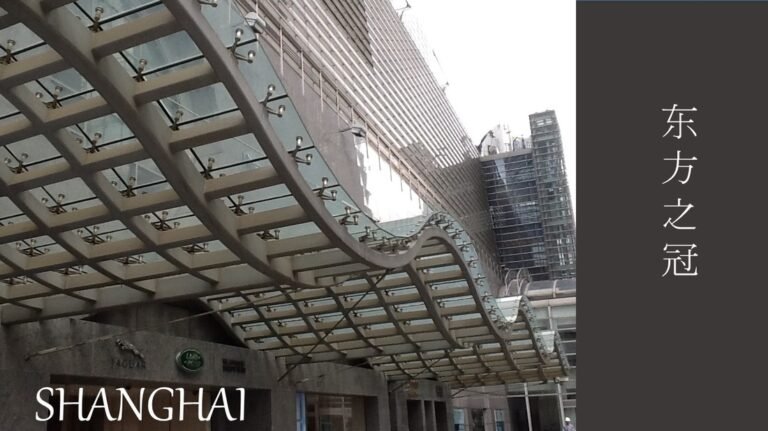
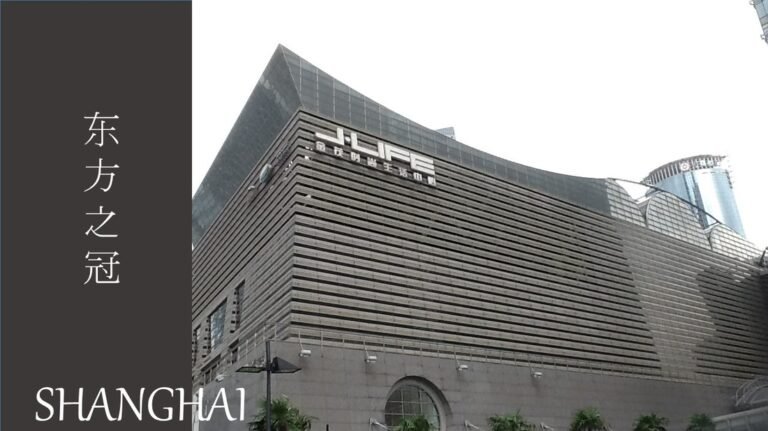
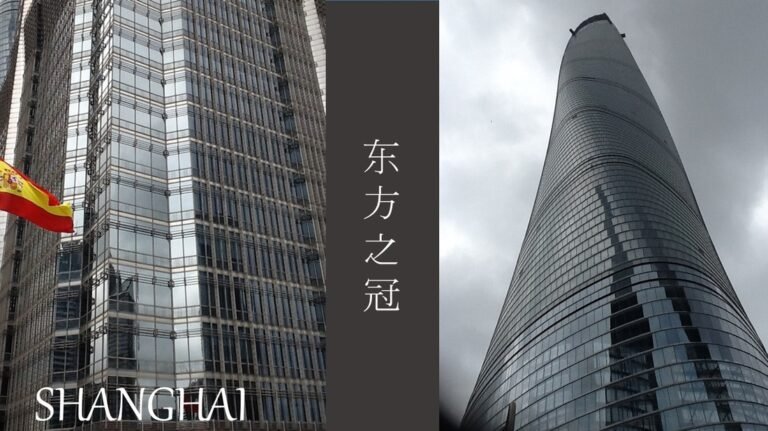
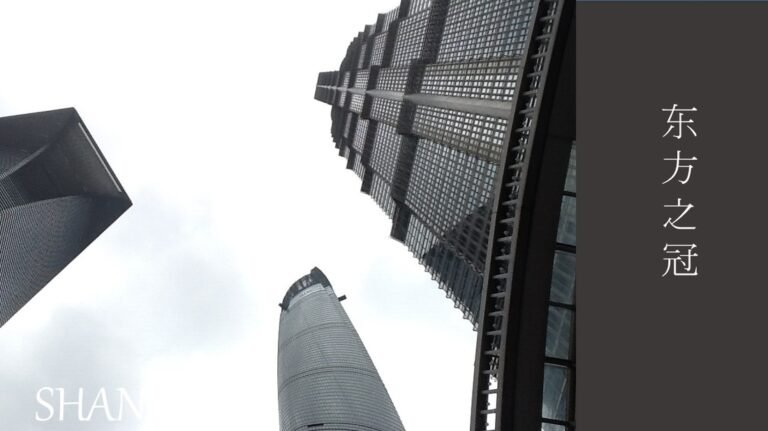
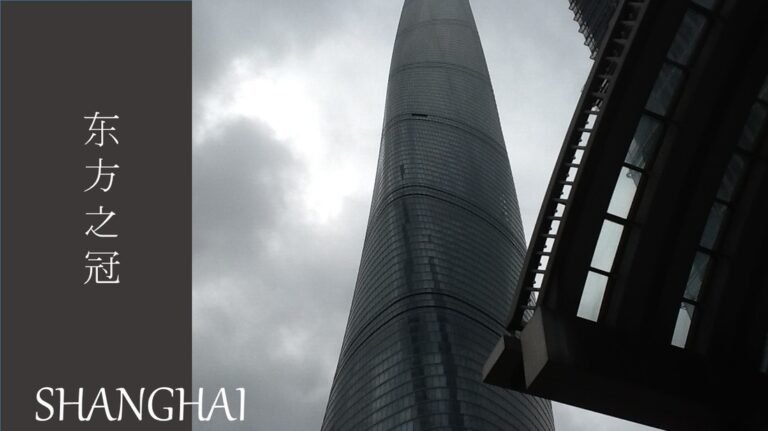
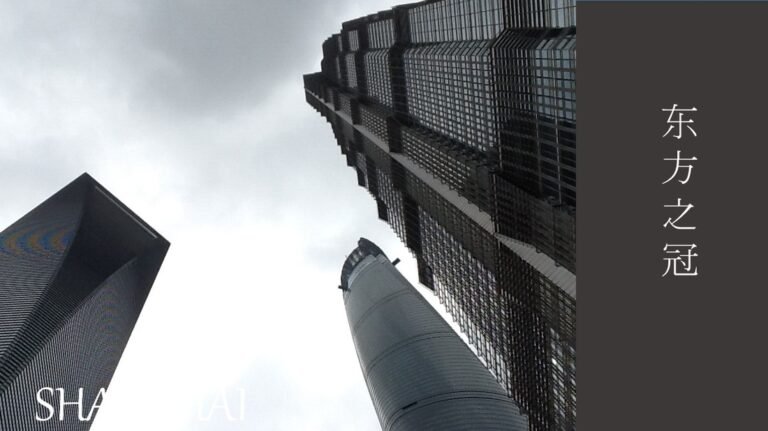
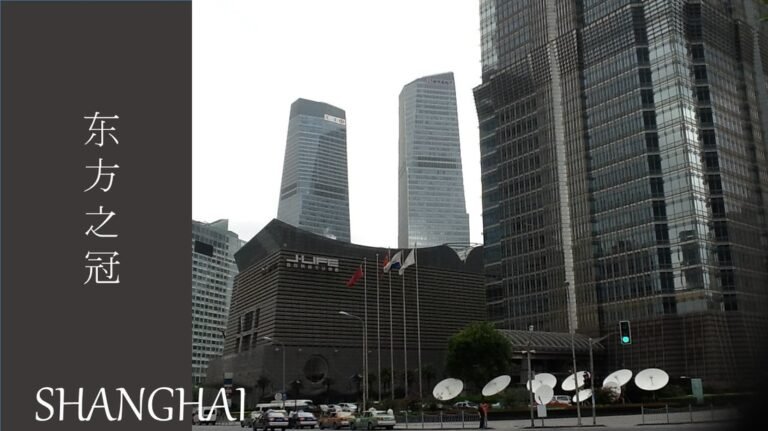
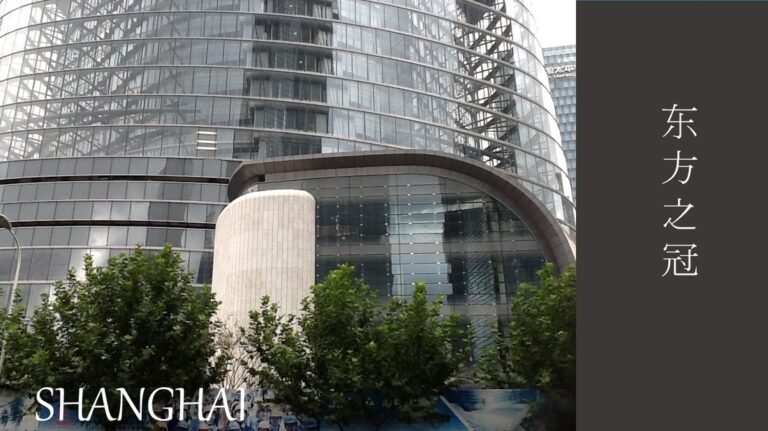
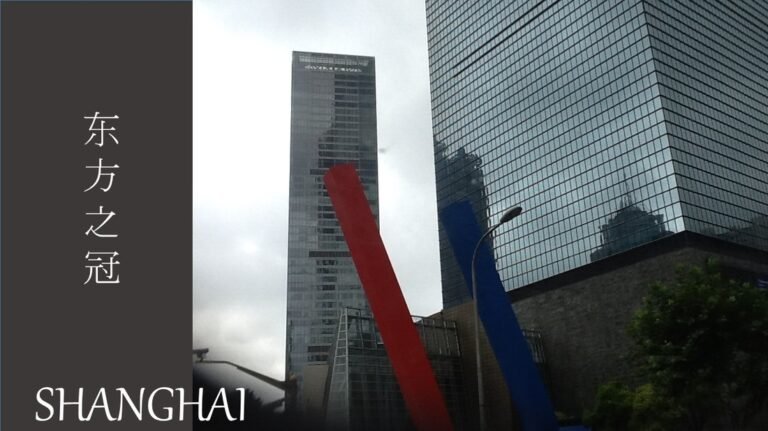
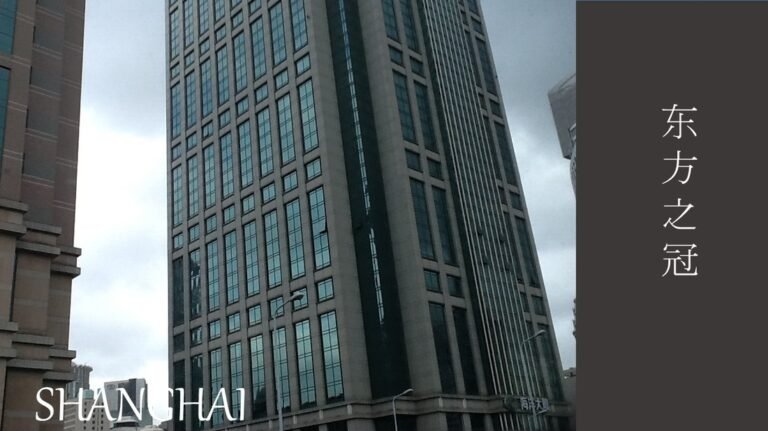
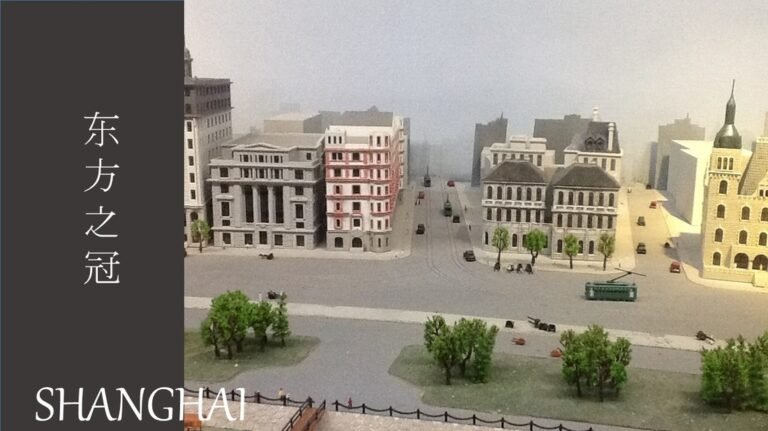
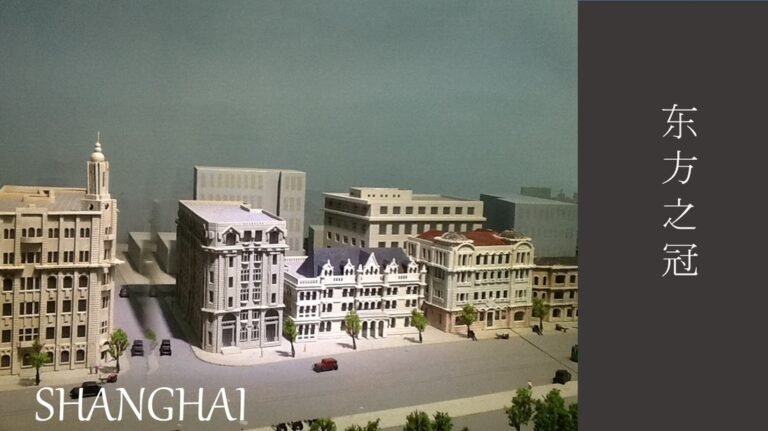
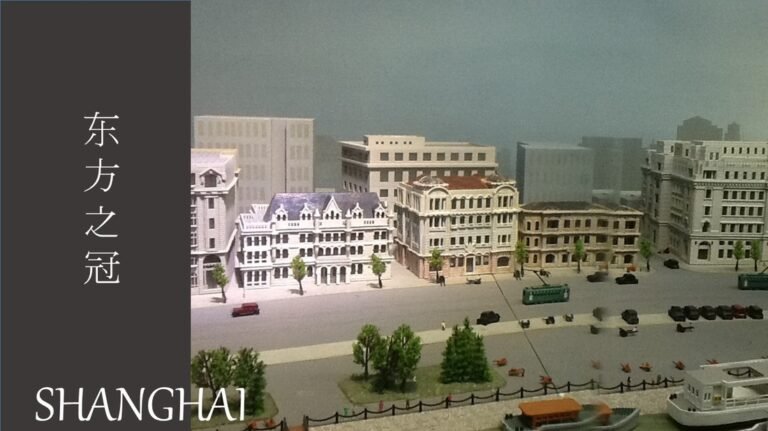
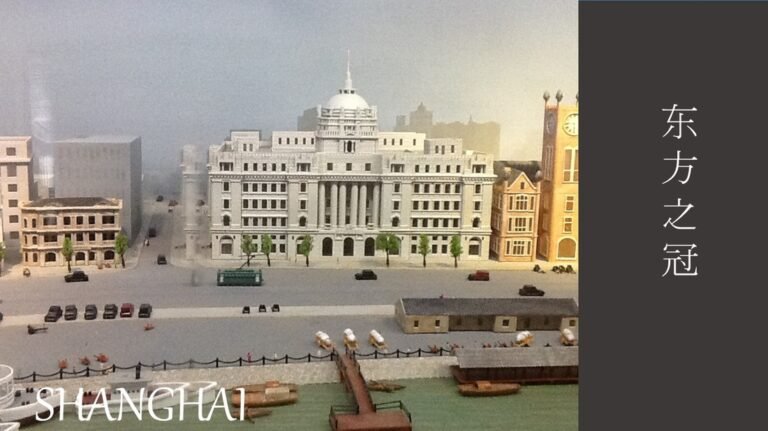
Shanghai is called Hu or Shen for short.Hu(沪) used to be a fishing tool made of the bamboo, and In Jin Dynasty, the local people living in the riverside area of Suzhou River or Wusong River fed on fish hunting. So Hu is originated from this meaning. Shen(申) was from a state lord, honorably named Chunshen Jun(春申君, whose name was Huang Xie, a famous politician and lord of Chu State and one of Four Gentleman-like Lords , including Chun Shen Jun of Chu State, Mengchang Jun of Qi State, Xinling Jun of Wei State and Pingyuan Jun of Zhao State, in Warring States Period ), because this used to be the manor estate granted by Chunshen Jun. Hence, the Huangpu River historically is called Huangxie River named after Chunshen Jun. When people begun to call it Shanghai. In accordance with the historical record, this started in Song Dynasty, sourced from a branch of Suzhou River named Shanghai Pu(上海浦),later the wine industry got a development, the local authority set up a taxation organ, officially named Jiu Wu(酒务, a taxation center of wine) near to this area, and then Shanghai was widely called Shanghai Wu(上海务), and since then, Shanghai was gradually accepted as the name of this area. Since then, Shanghai as a county-level town or city under the administration of Suzhou until 1842 when Shanghai was forced to be one of five trade ports in terms of the Treaty of Nanking, from then on, western countries established their concessions respectively. The original layout of downtown Shanghai appeared. Due to this special protection, Shanghai got a fantastic development in economy and urbanization progress. In 1927, Shanghai was set as a special city of China.
NEW HEAVEN & EARTH 新天地
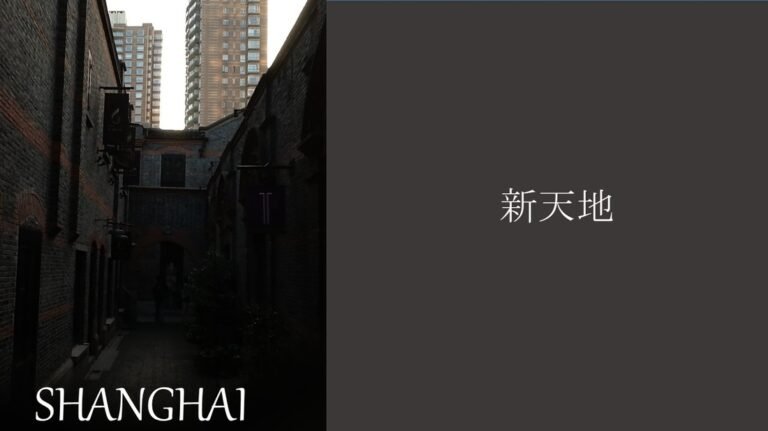
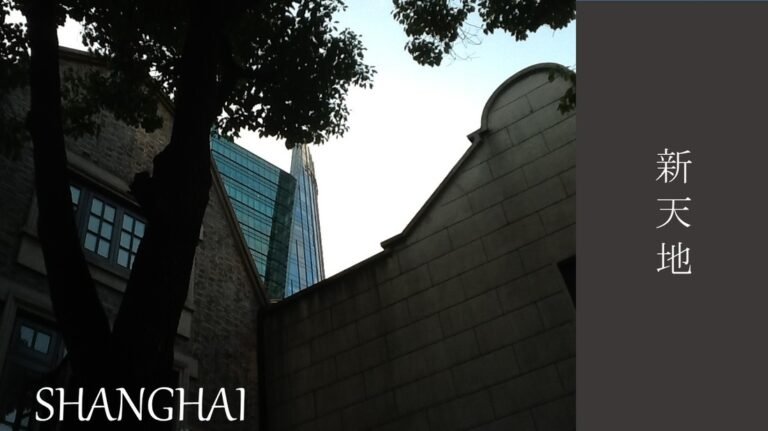
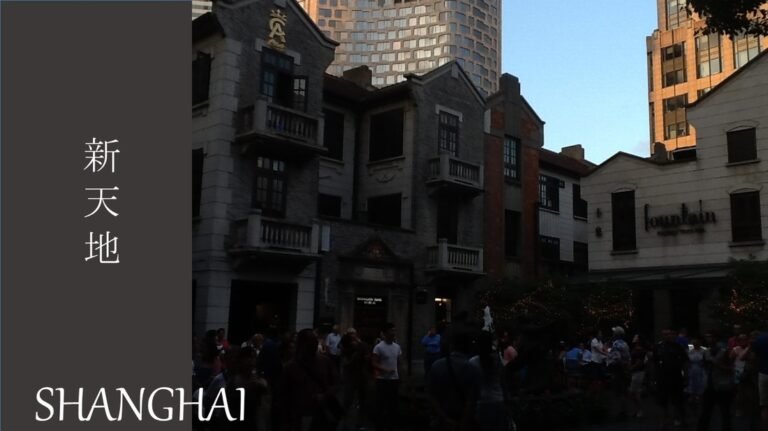
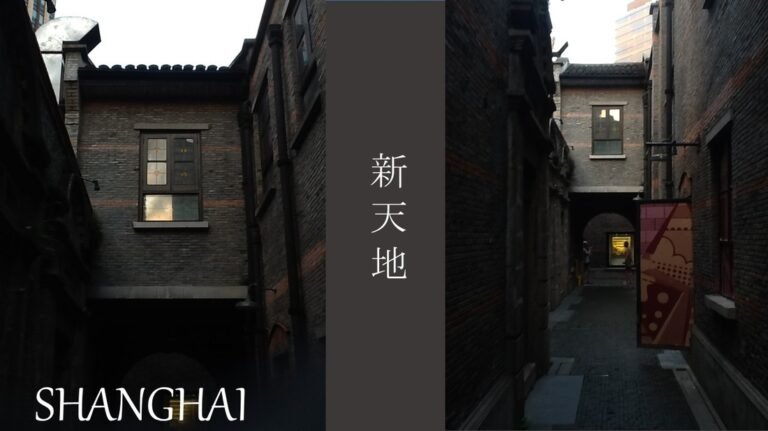
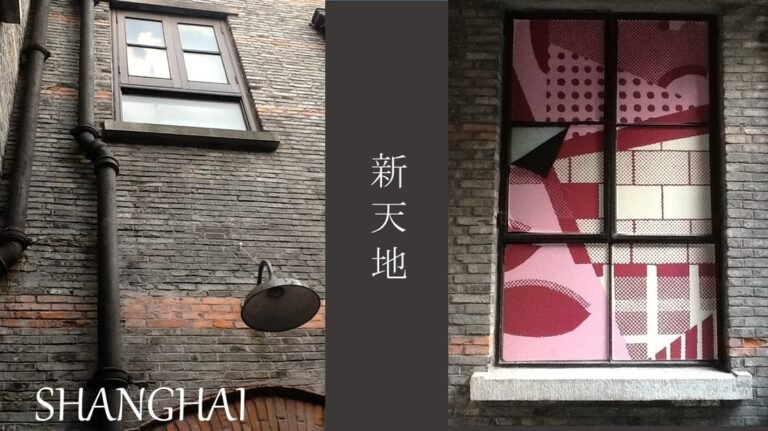
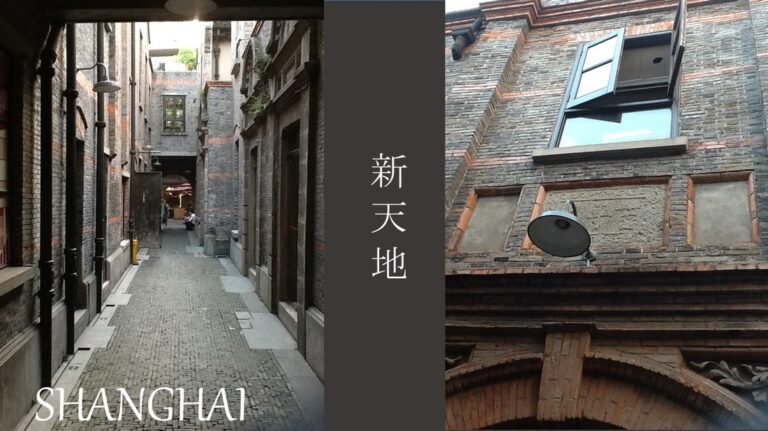
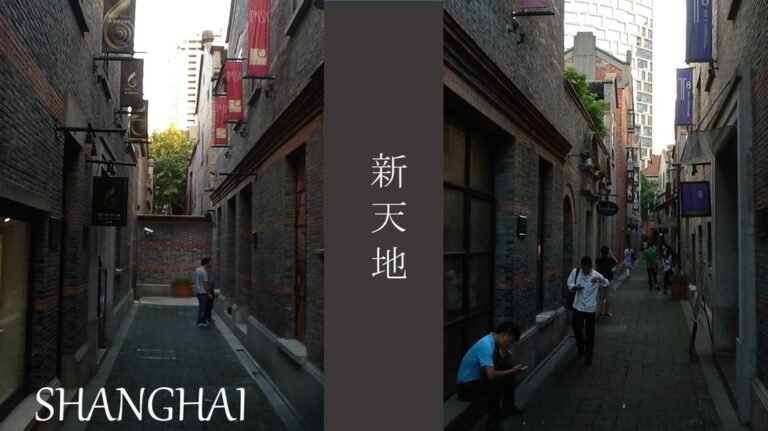
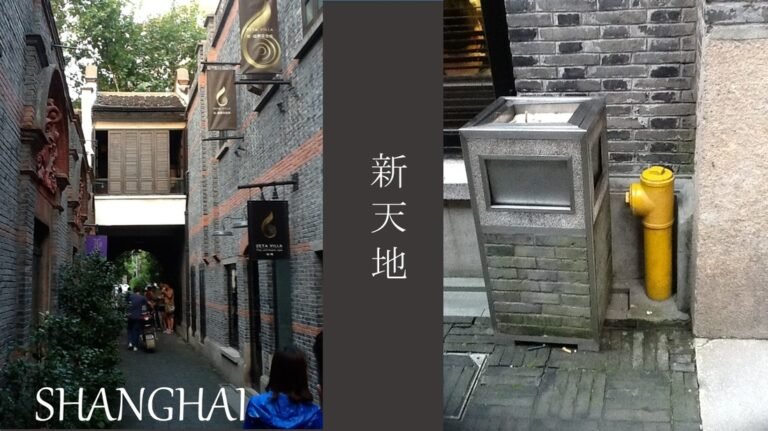
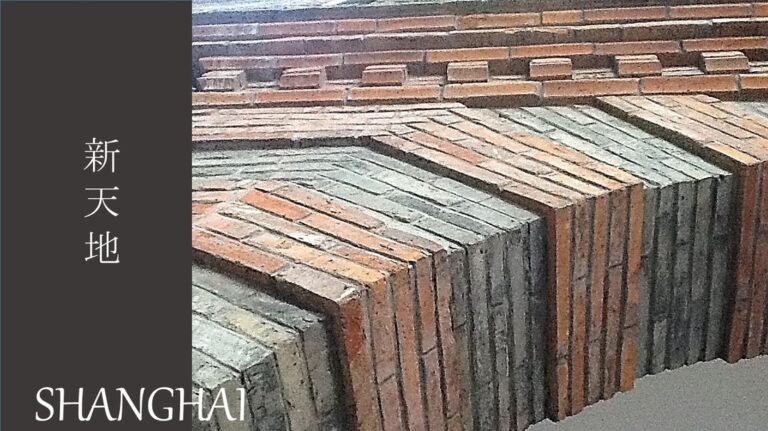
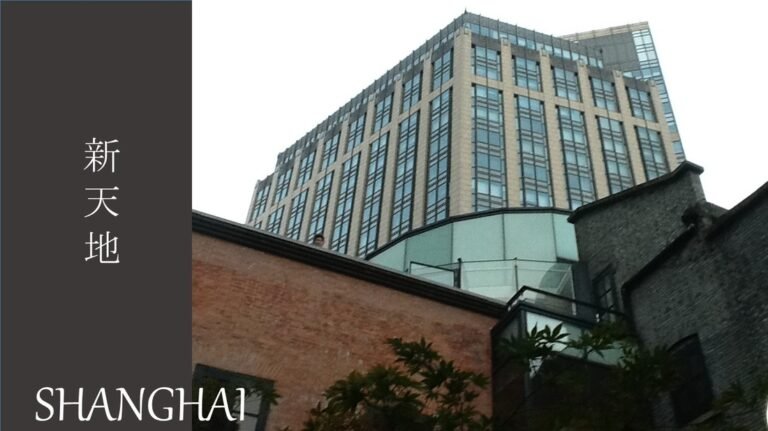
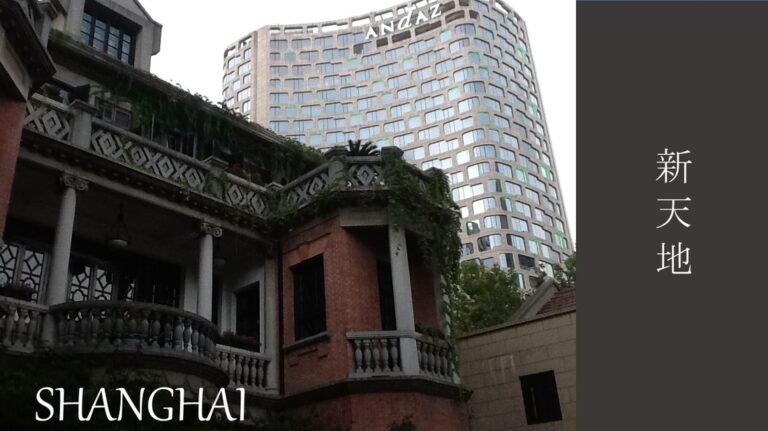
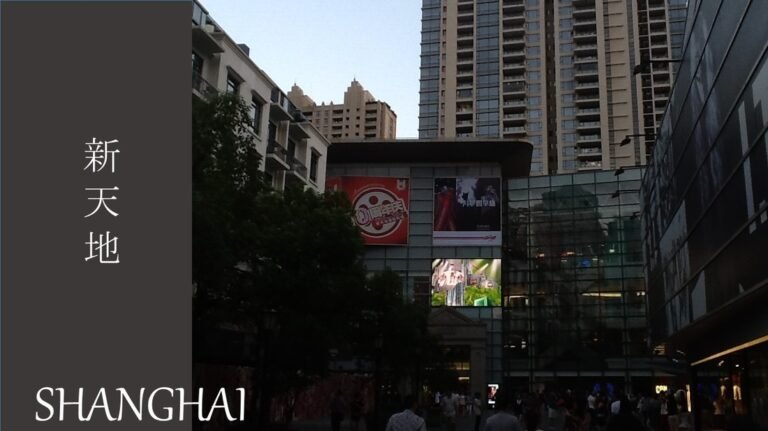
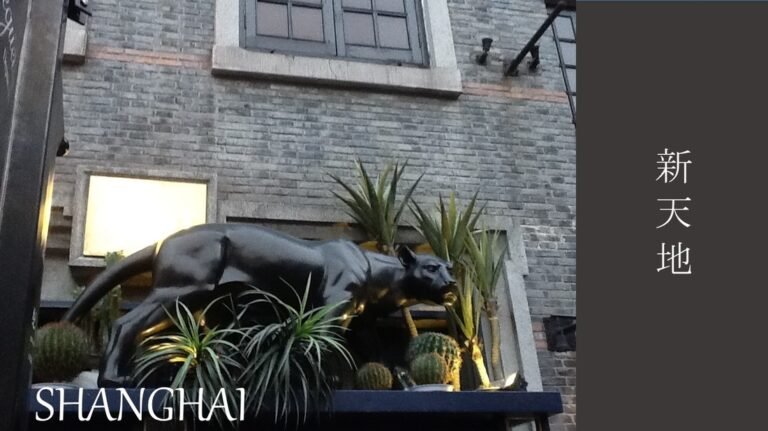
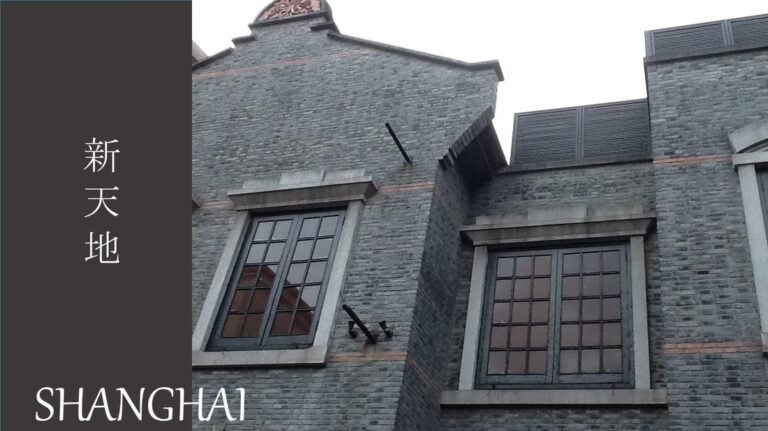
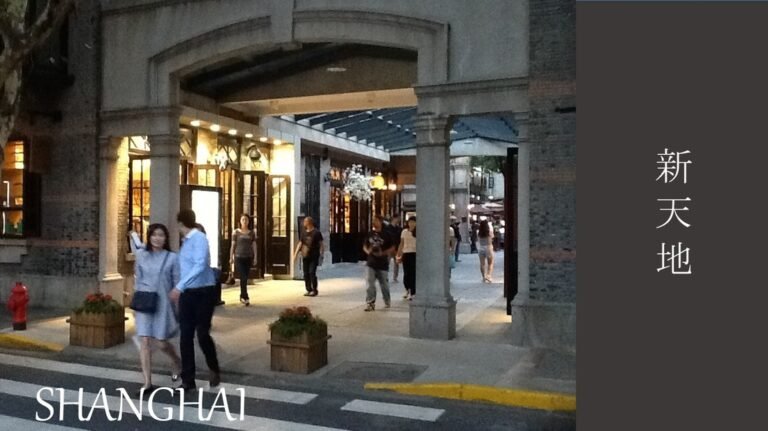
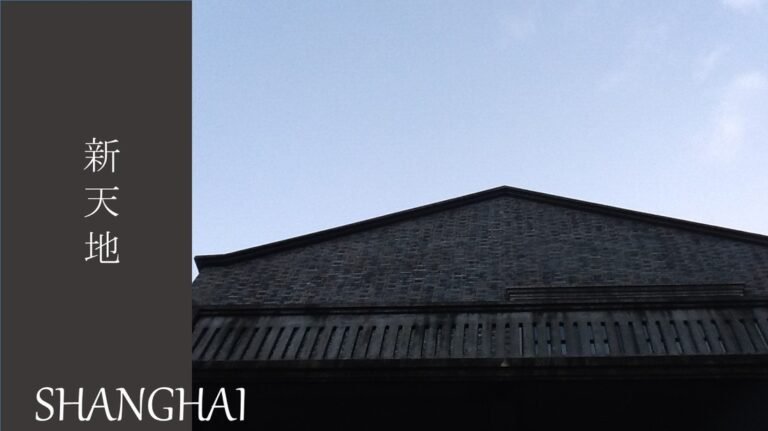
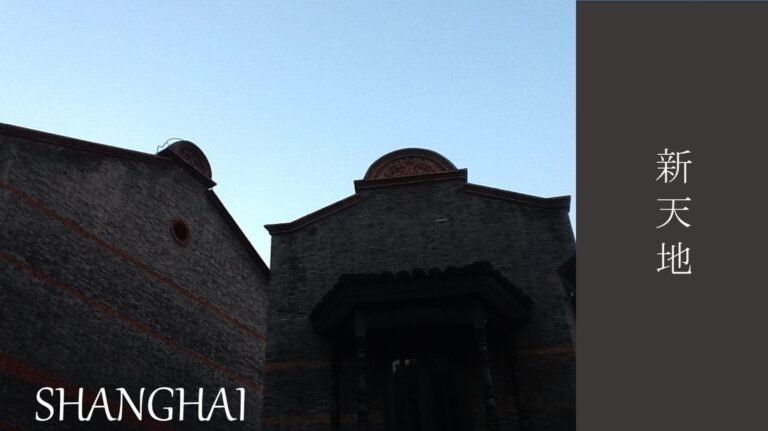
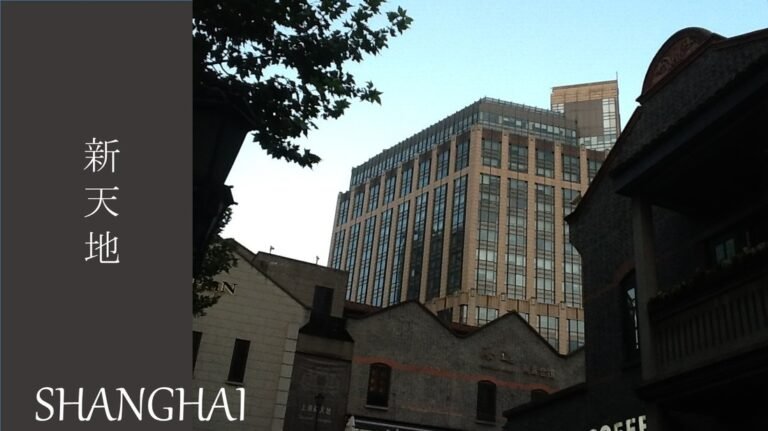
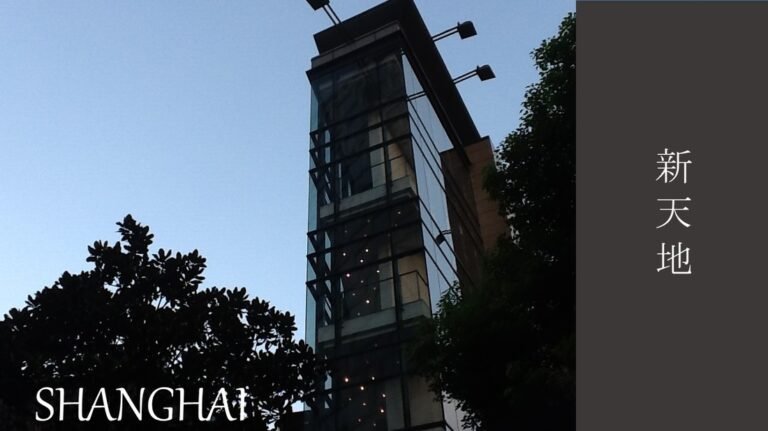
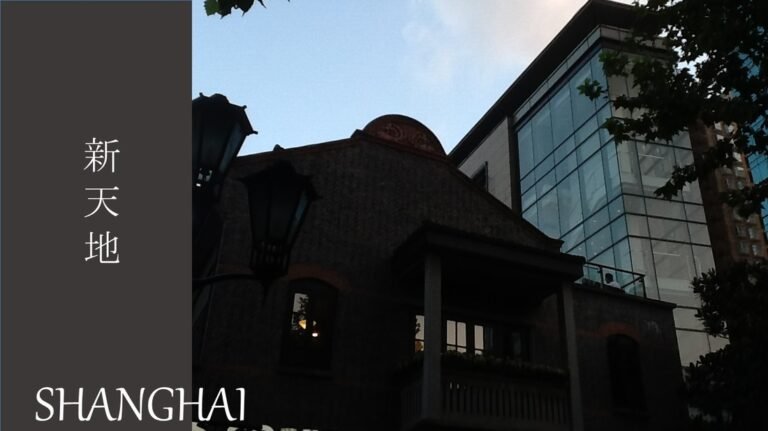
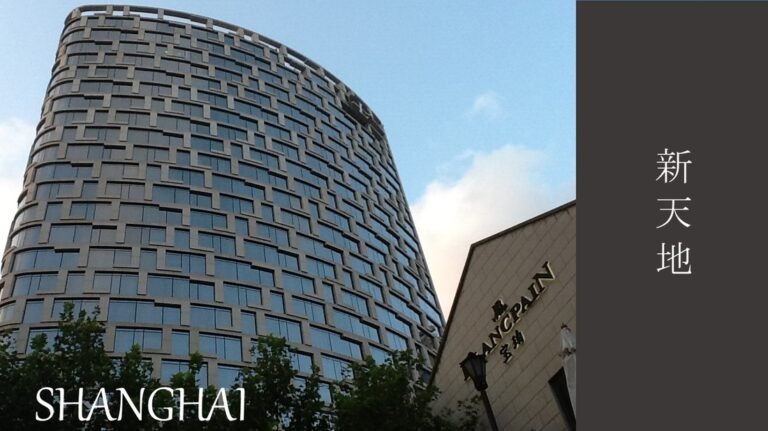
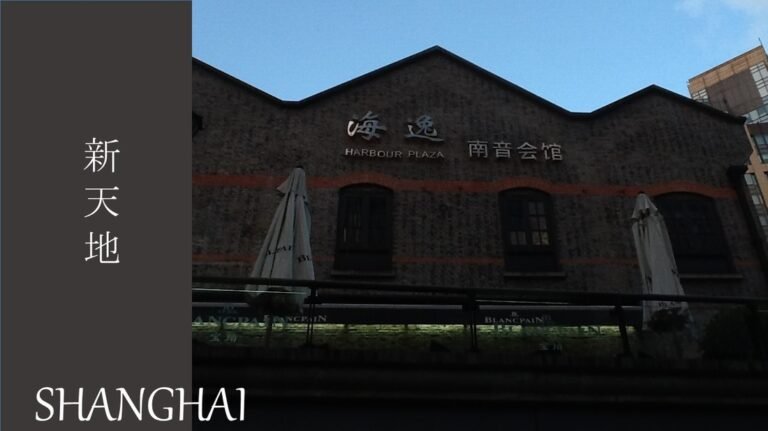
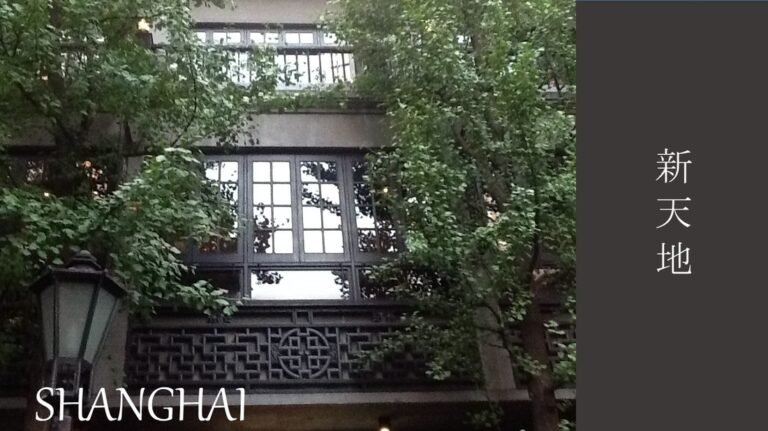
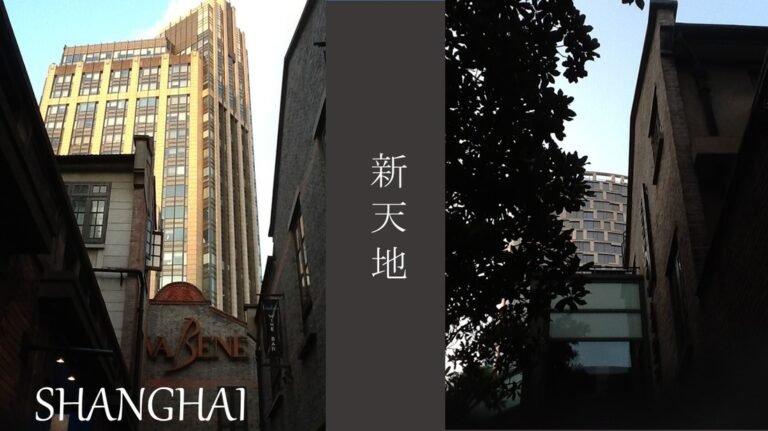
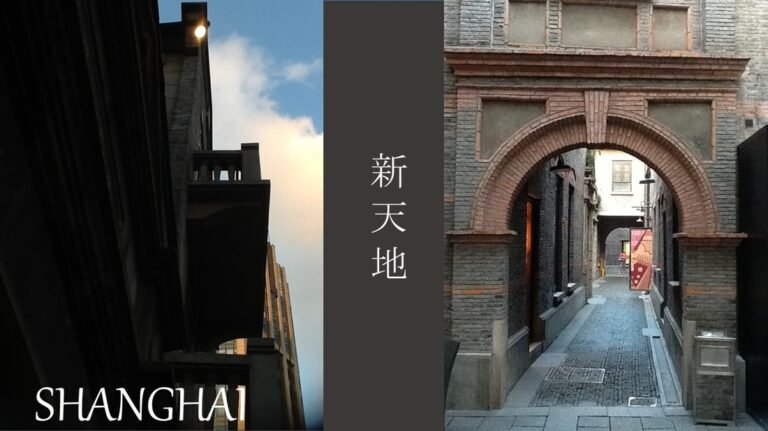
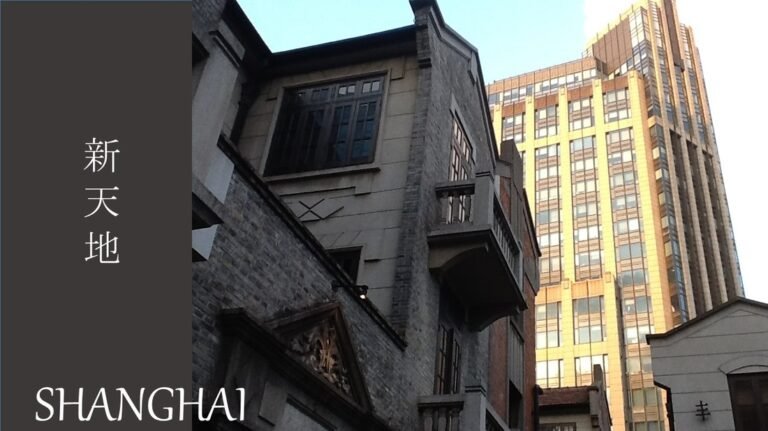
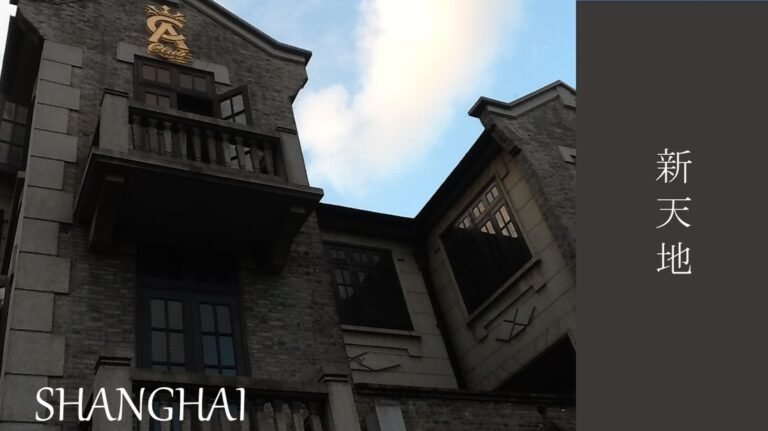
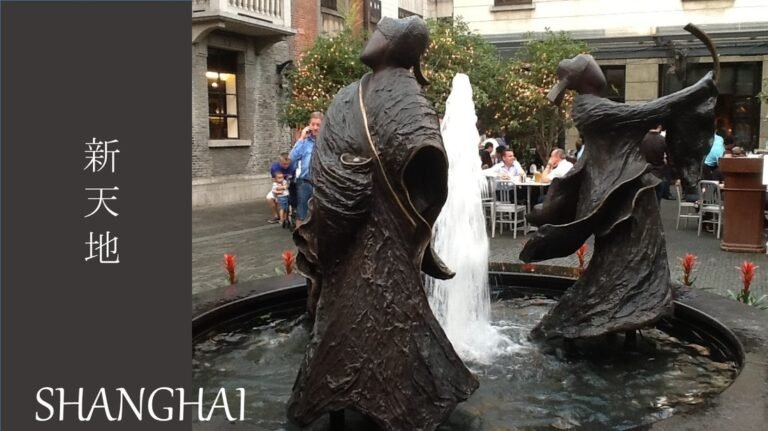
Located in the center of Shanghai City south of Huaihai Zhong Lu, Shanghai Xin Tian Di has become an urban attraction that holds the historical and cultural legacies of the city. It is a fashionable pedestrian street composed of Shikumen and modern architecture style.
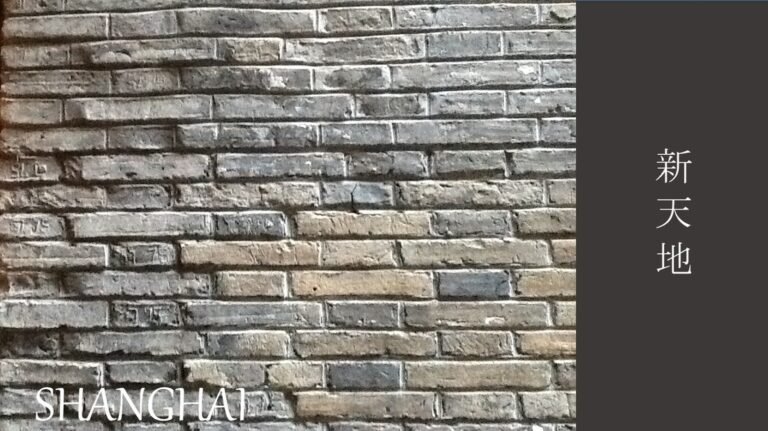
Xin Tian Di is unique because of its concept of construction. It retains the antique walls, tiles and exterior of the Shikumen housing of old Shanghai. On the other hand, its interior embodies a totally different world of international gallery, bars and cafes, boutiques or theme restaurants. When you walk into it, you will get the taste of both Shanghai in the 1920’s and the sonic modern lifestyle of urbanites of the 21st century.
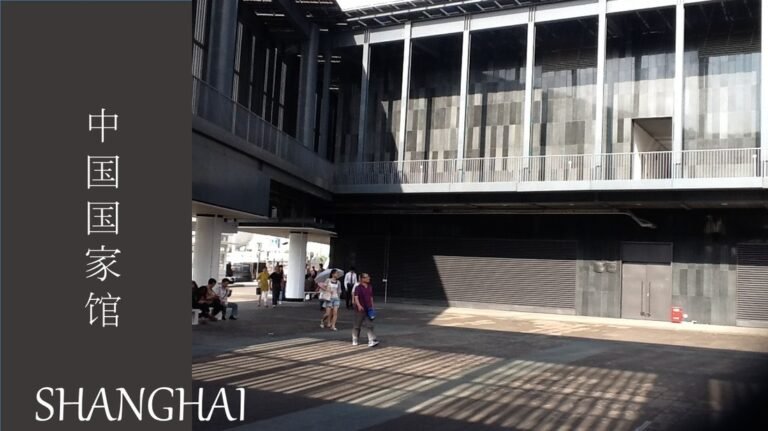
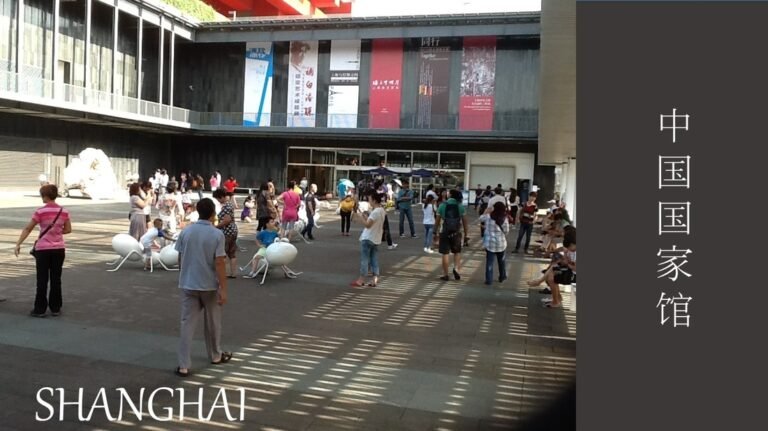
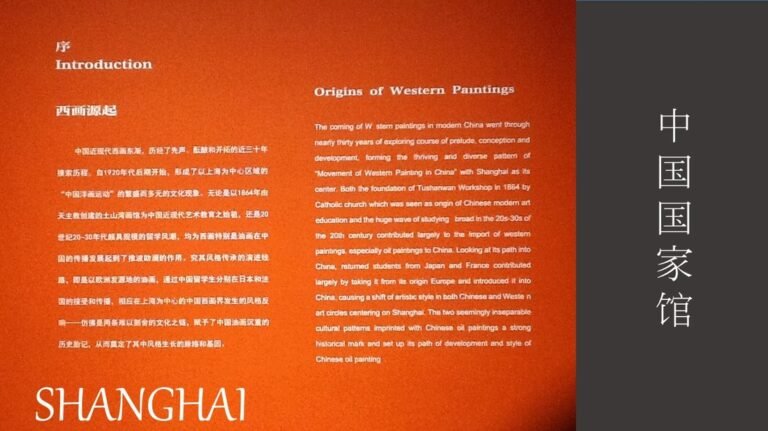
CHINESE PAVILION 中国国家馆
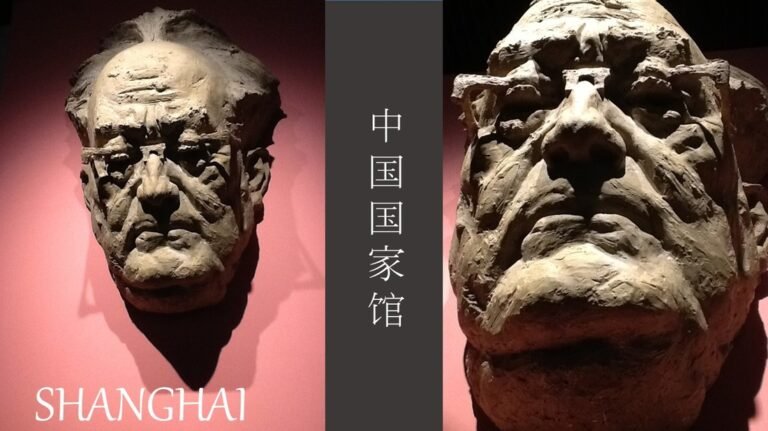
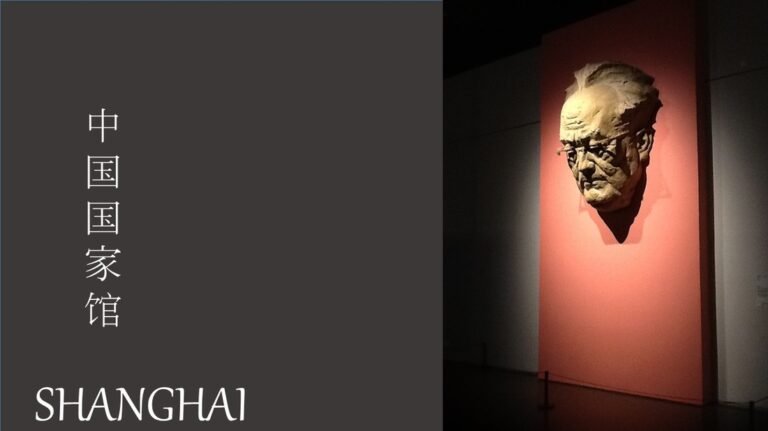
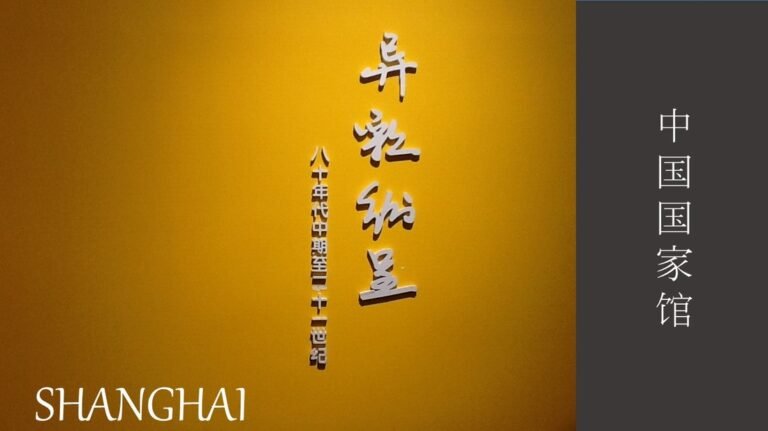
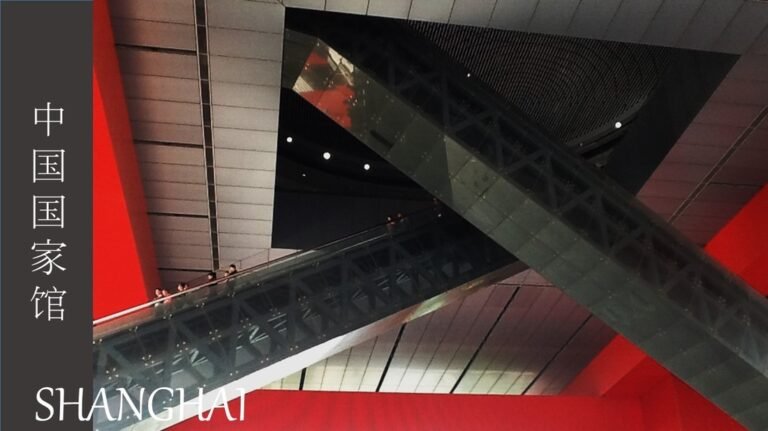
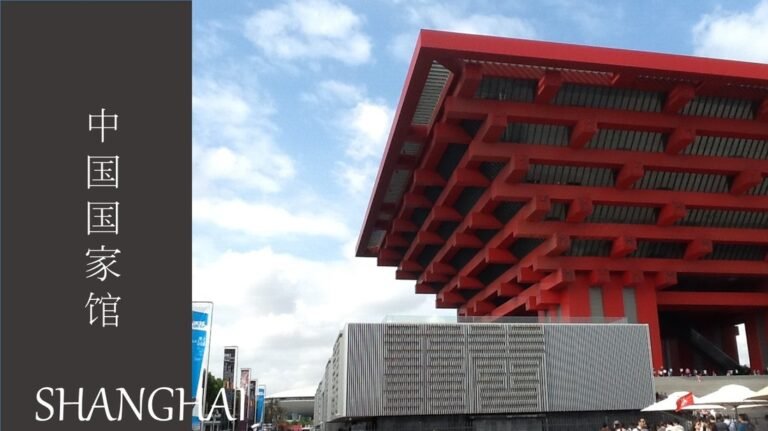

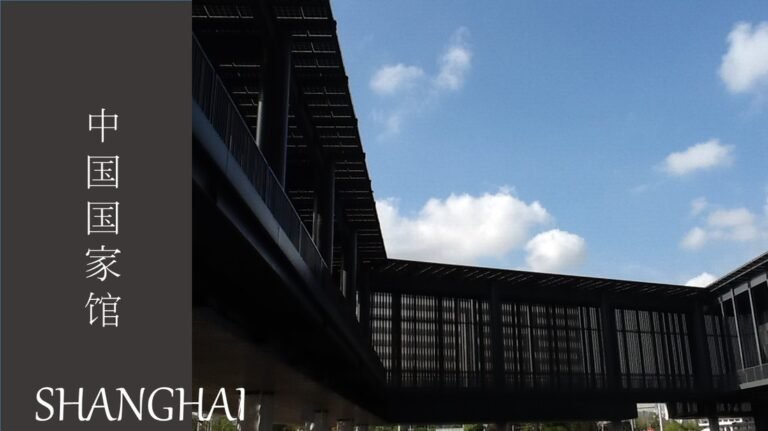
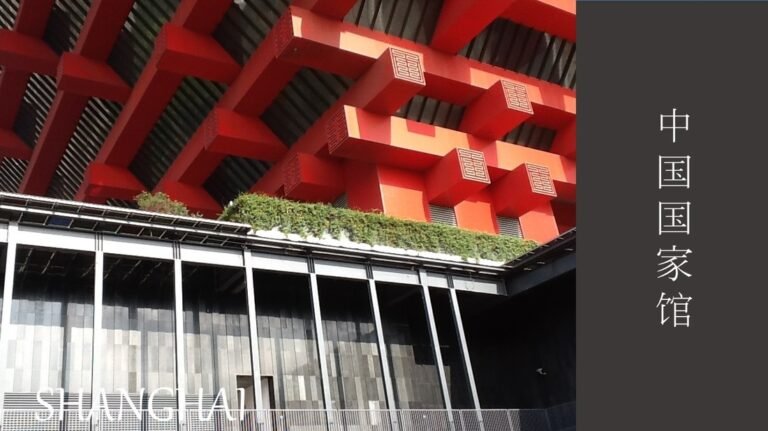
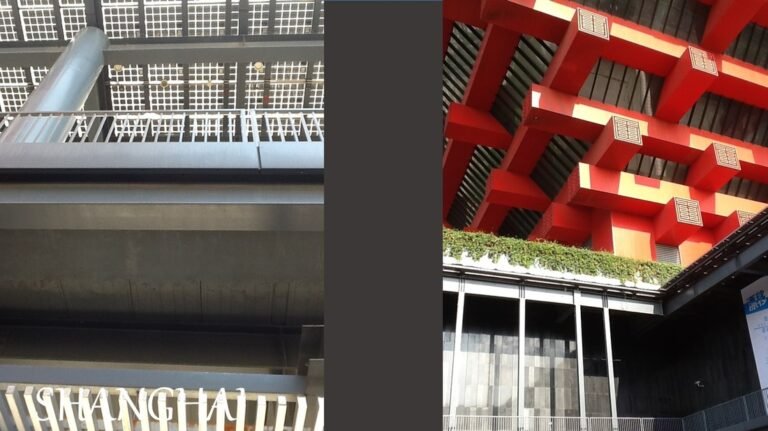
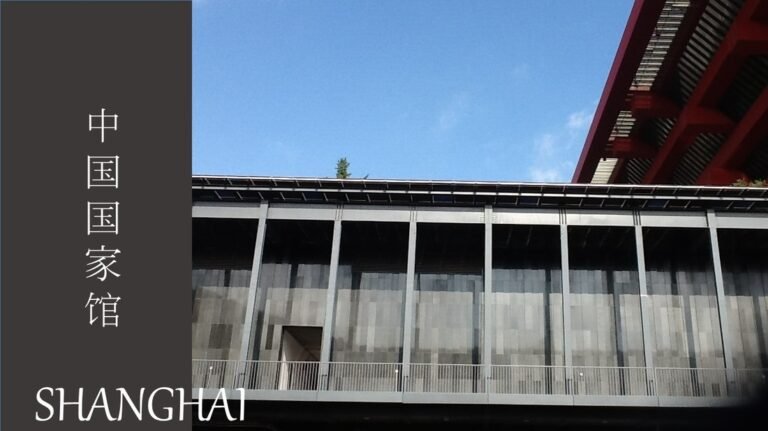
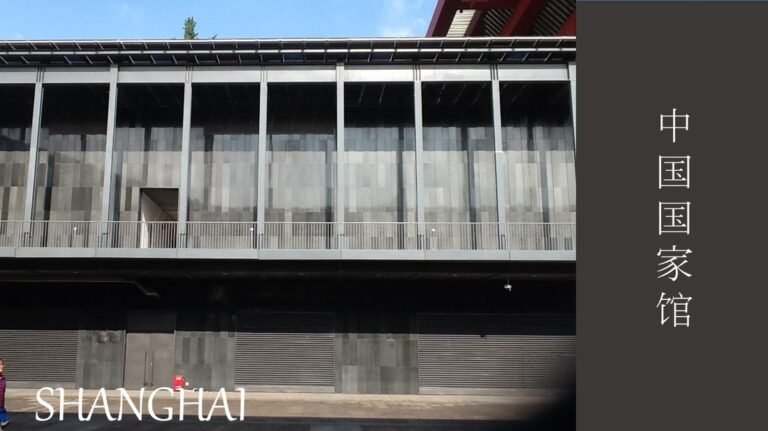
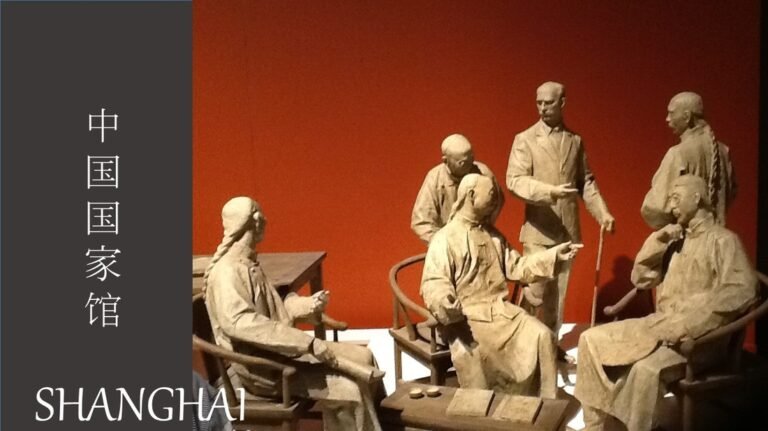
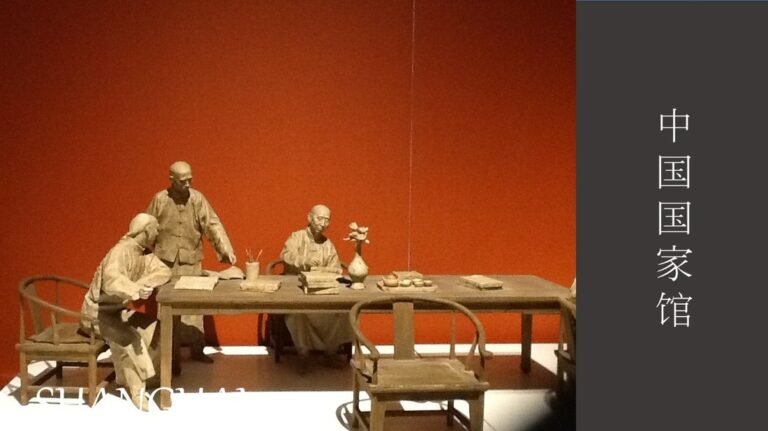
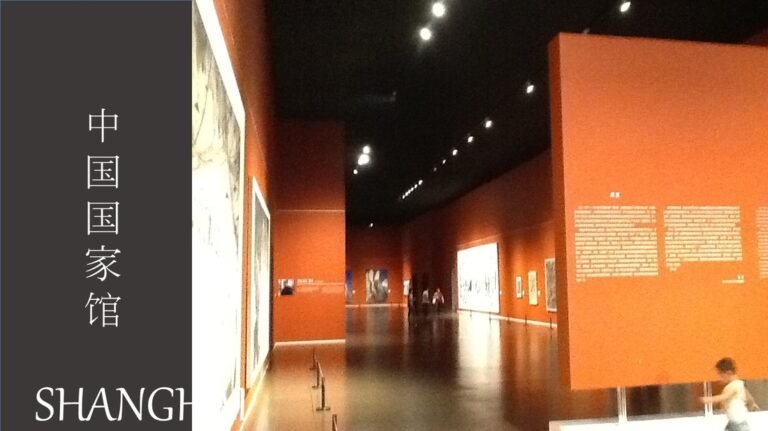
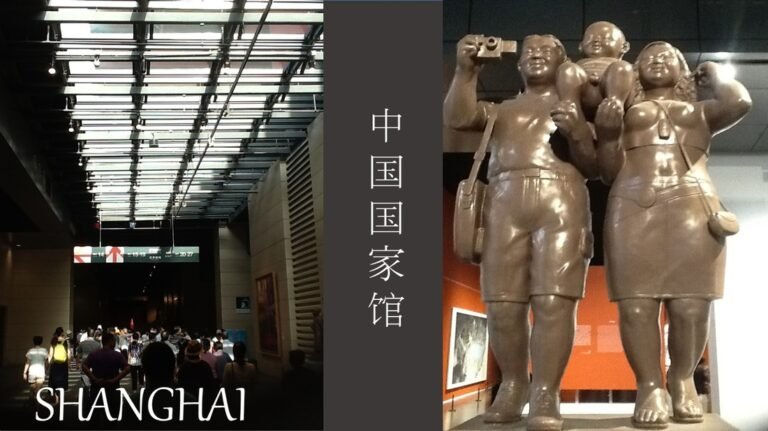
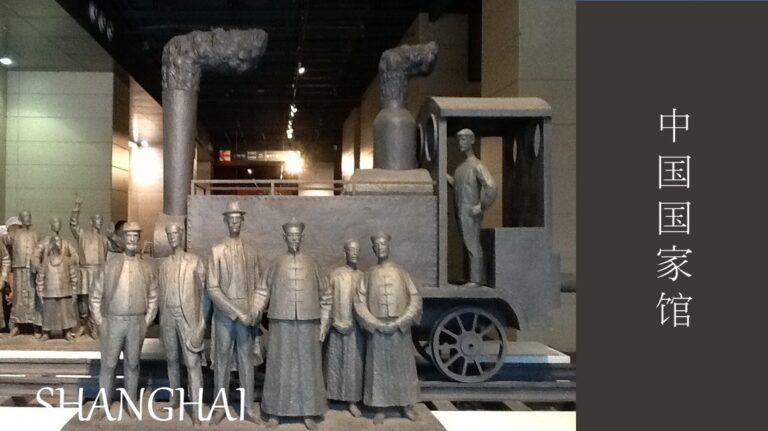
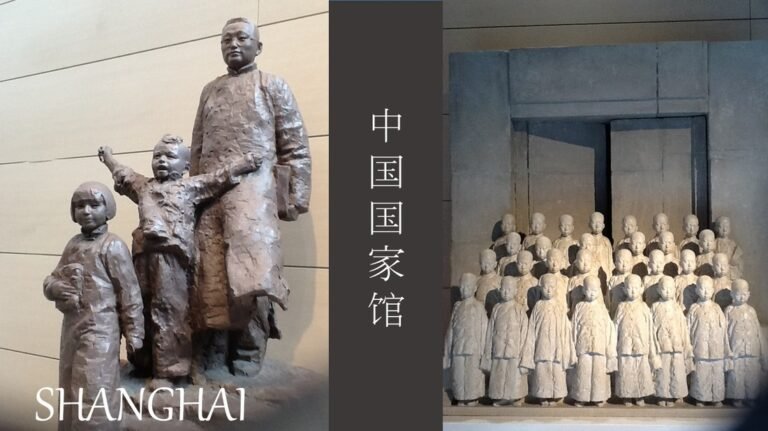
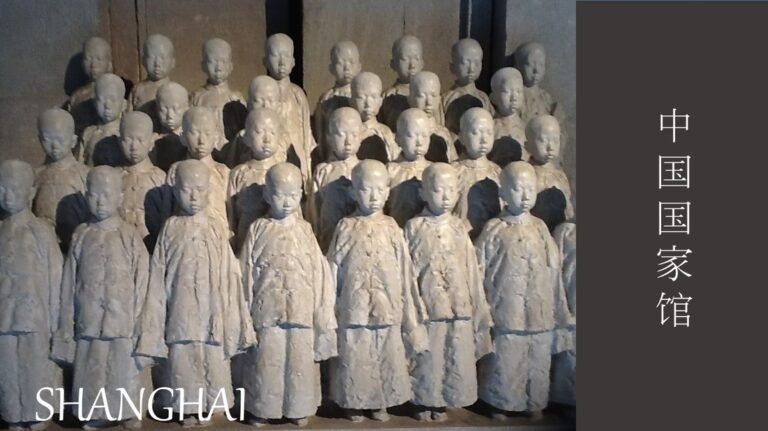
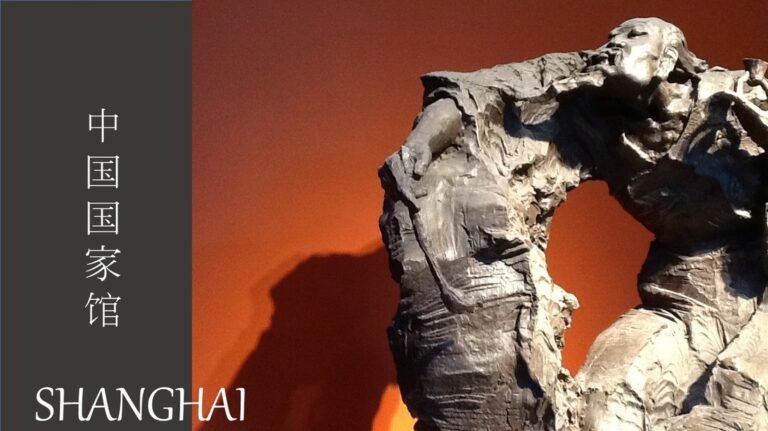
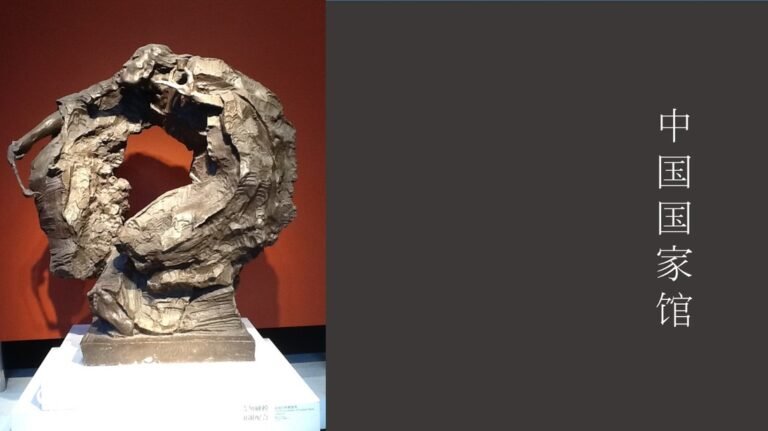
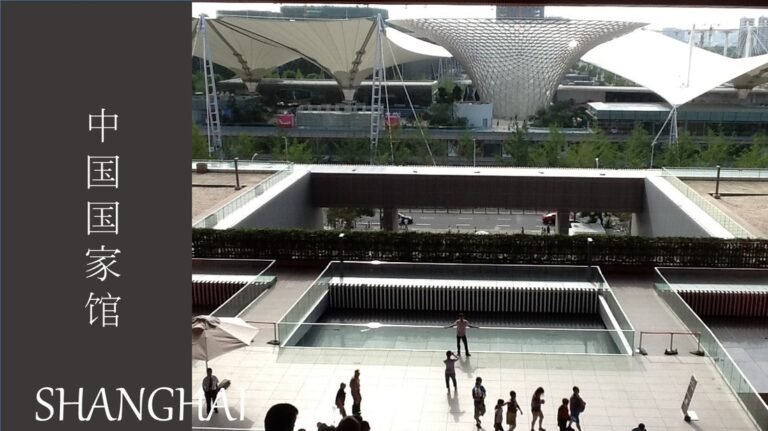
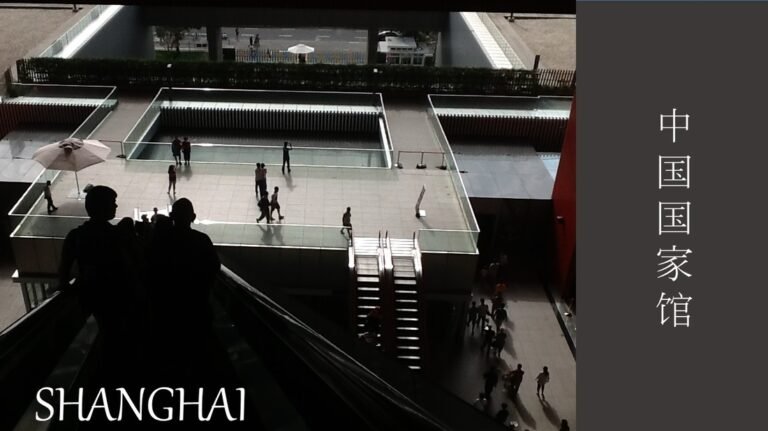
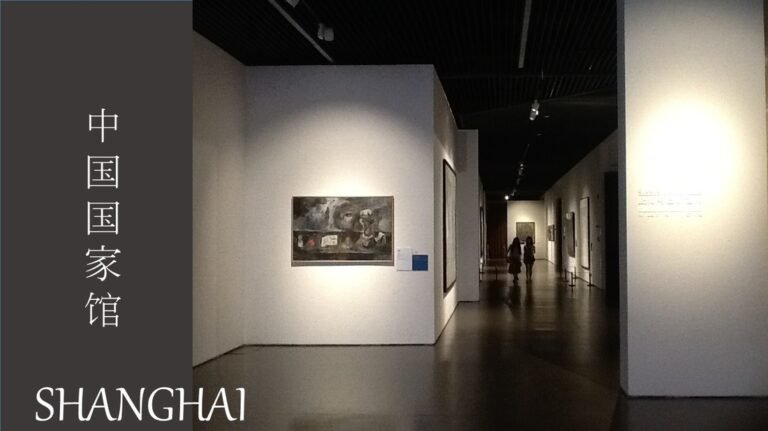
He Jingtang 2010
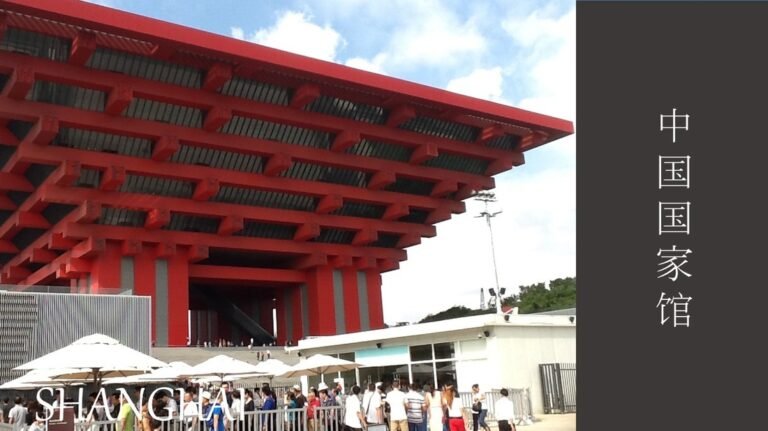
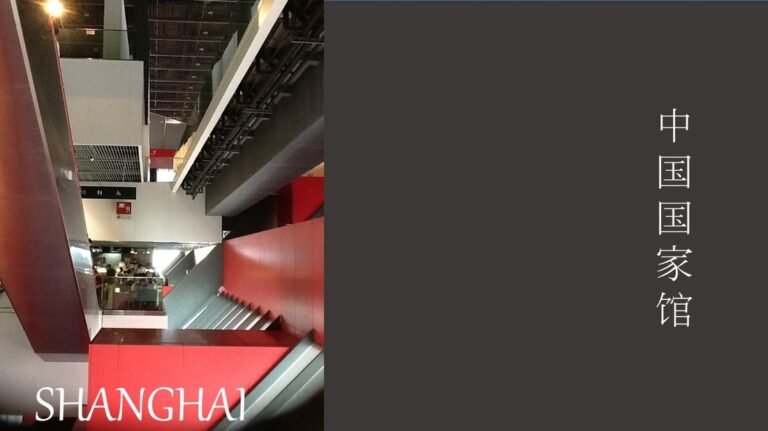
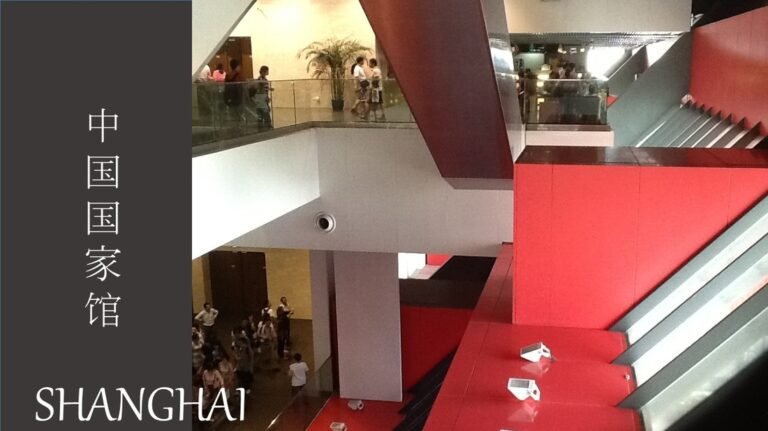
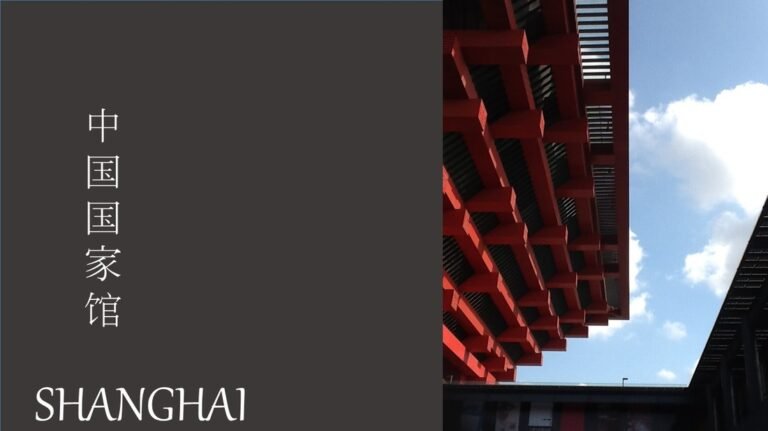
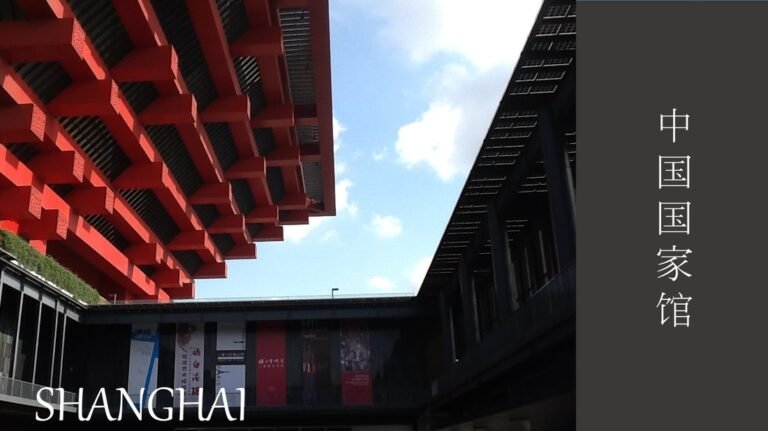
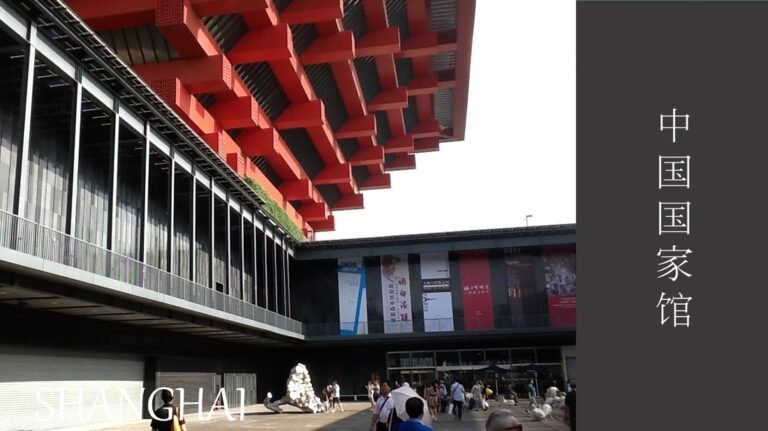
The China Pavilion was the flagship of the Shanghai Expo pavilions. At 70 meters tall it is three times the height of other countries’ pavilions, and was designed as a permanent structure for Shanghai. During the Expo itself it received 10 million of the total 73 million visitors, and this number was limited only by the capacity of the building. It has stayed open into 2011 to handle continuing demand for its Expo exhibition of China’s recent and future progress.
The building is designed by He Jingtang, a 72-year-old Chinese architect and professor at the South China University of Technology’s school of architecture. He previously designed the wrestling and badminton venues at the 2008 Beijing Olympics. His design for the China Pavilion “mean[s] to show the spirit and face of the Chinese people against the background of a rising nation.”
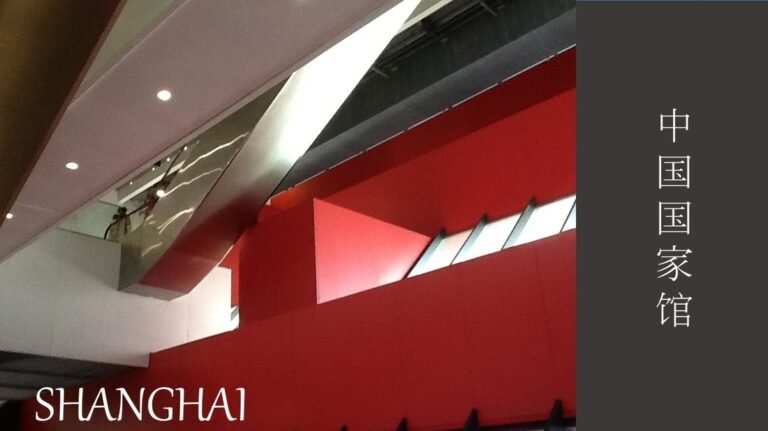
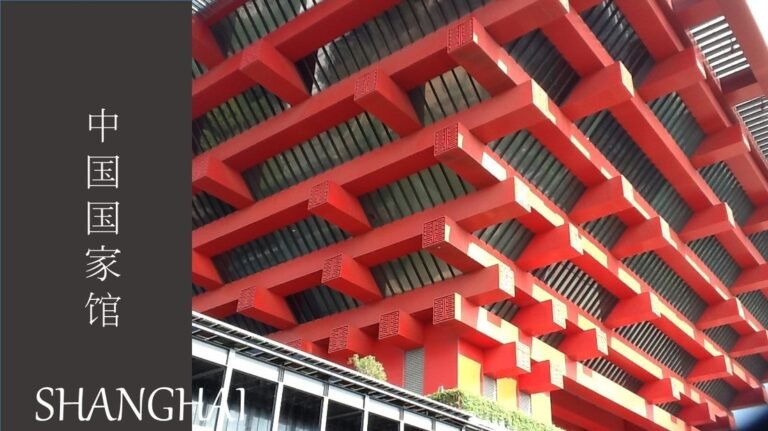
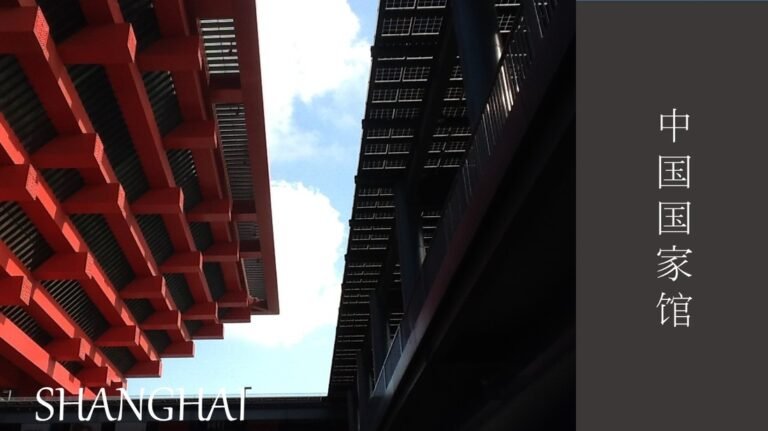
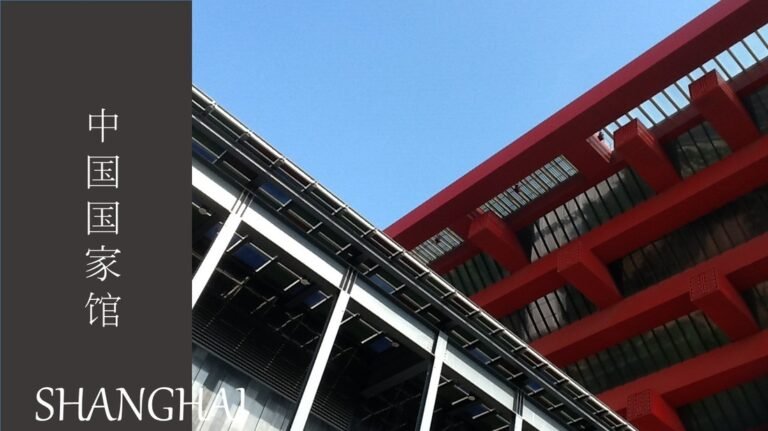
The form of the building is based on the traditional Chinese dougong or wooden crossbeam, but on a massive scale. These beams are painted in a traditional Chinese red – in fact seven carefully chosen shades of red, three for the exterior (darkest at the top) and four more inside, together representing “unity with difference”. As He describes,
It is the first time that I dared to use red on such a large-scale building. We collected every kind of red color that we needed and tried to find the right Chinese red from these colors, such as the red of Tiananmen, the Forbidden City and the Chinese national flag. We even invited experts from the color research institute at the China Academy of Art for help.
The ends of the dougong beams are decorated with zhuan, a seal style used in Chinese calligraphy. On the beams projecting directly out from the building, these hide the pavilion’s elegant structural secret: that the cross-beams through the middle of the building are not its structure at all, but are air conditioning shafts. The structure is in angled concrete beams that follow the line of the inverted pyramid walls, inside the building. The result is a properly hollow structure with enormous usable space, in a deliberate reconciliation of traditional elements with a modern internal space.
Symbolism is rife in the China pavilion, in the details, the visitor’s course through the building, and the overall form: the legs and bowl of a ding vessel used by Chinese emperors to make offers to the gods, but also an oriental crown. As He pragmatically puts it:
Some say it looks like an old Chinese official’s cap. Some say it’s a kind of ancient Chinese cooking vessel. Some even say it’s a grain barn. No matter what they think the image is, they all think it is very Chinese. That’s what I wanted.
NANJING ROAD 南京路
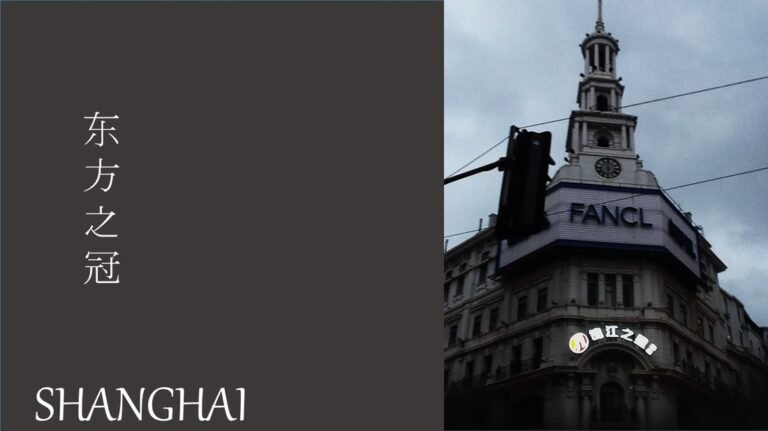
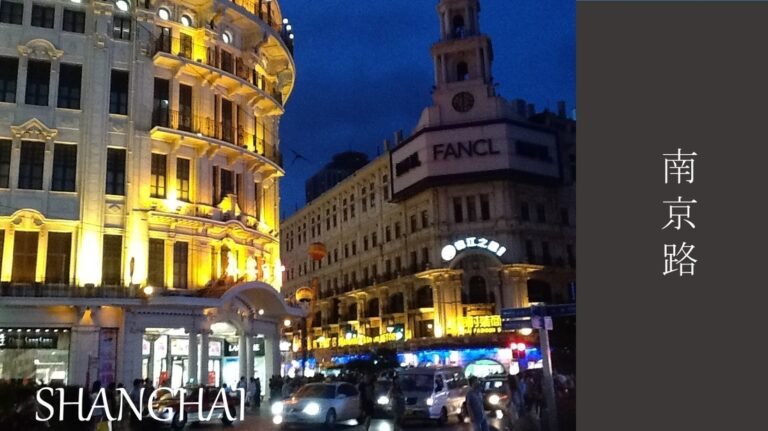
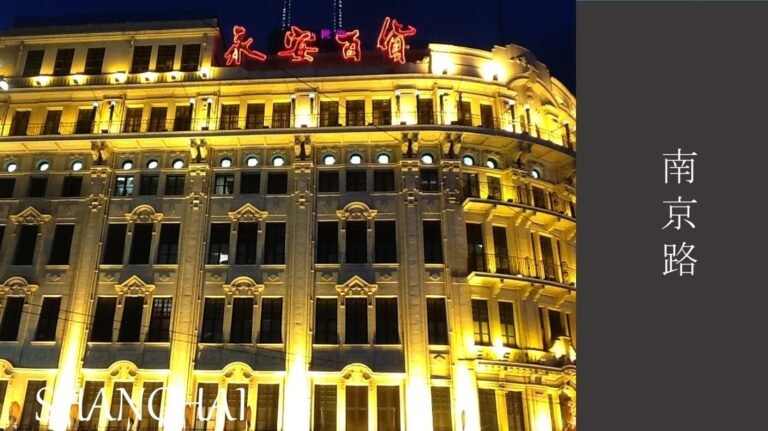
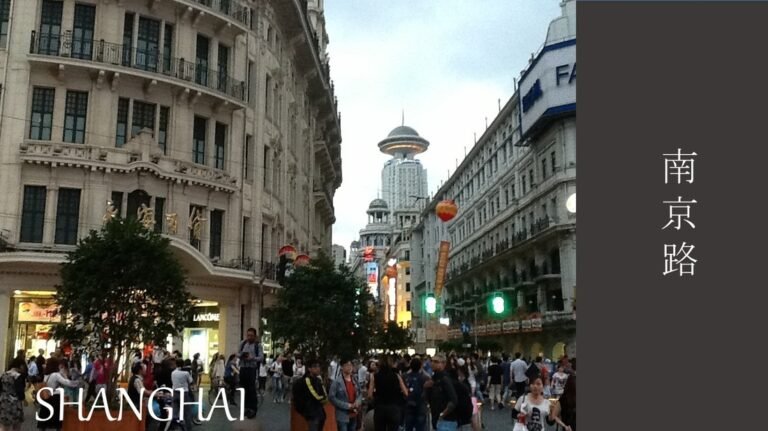
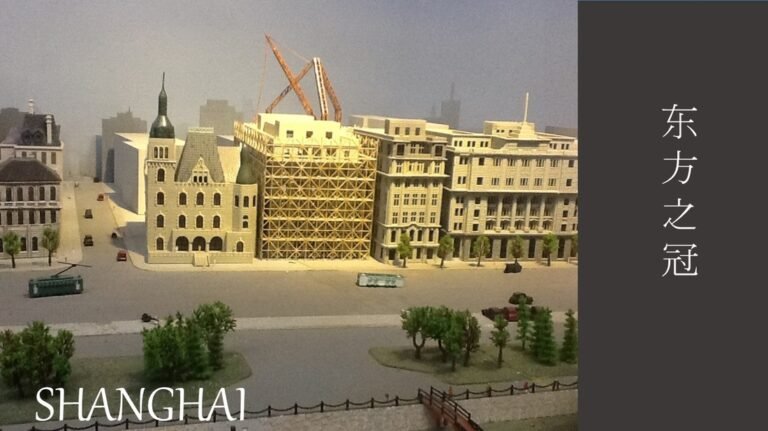
Originally, Nanjing Road was a Park Lane from The Bund of Shanghai to Ball-Throwing Court of Henan Road. In 1854, the road extended to Zhejiang Road, and in 1862, further extended westwards to Tibet Road. In 1865, the local authority officially named it Nanjing Road. During the period from 1905 to 1911, Silas Aaron Hardoon (1851-1931), a Jewish tycoon of real estate property, begun paved the road with hardwood, and the properties of the both sides belonged to him. 1908, the trolley car was available. In 1945, the concession policy was abolished. The Municipal Government of Shanghai in The Republic of China unified the Nanjing Road, and named it officially the East Nanjing Road, and the original Jingansi Road was renamed as West Nanjing Road. And both of them were called Nanjing Road together. In 1953, East Nanjing Road was paved with concrete. In early period of the 20th century, there were a lot of internationally famous companies such as Messrs.Hall and Holtz, Whiteaway laidlaw, Weeks and Company and Lane Crawford, where were famous as four old companies of Nanjing Road, and the national famous companies such as Hengyuanxiang, Zhangxiaoquan, Laojiefu and Xiedaxiang were four most famous characteristic shops on Nanjing Road. Nanjing Road was the most prosperous road at the time. The famous old buildings are also widely known, and they are represented by Palace Hotel (today’s south part of Peace Hotel), Sassoon House (today’s north building of Peace Hotel), Jialing Tower, Hardoon Tower, Meilun Tower and Electric Power Tower.
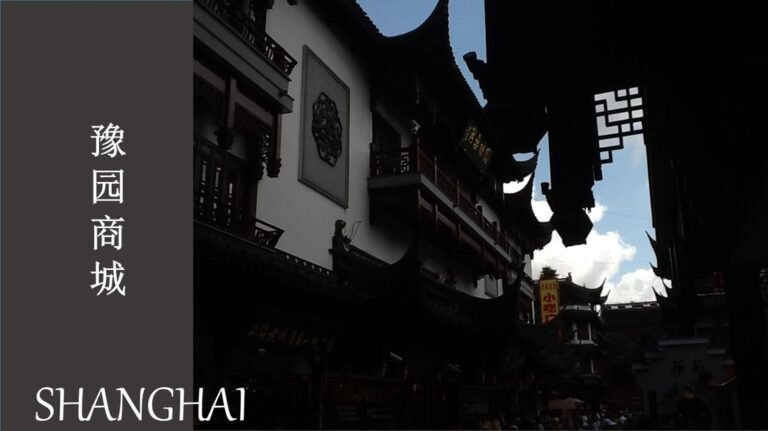
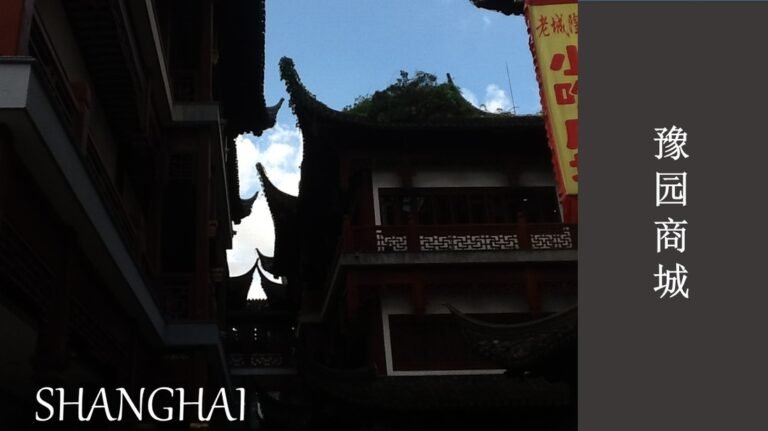
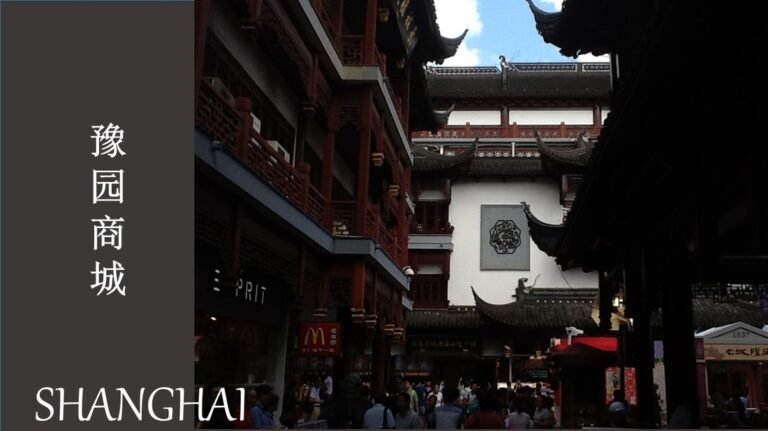
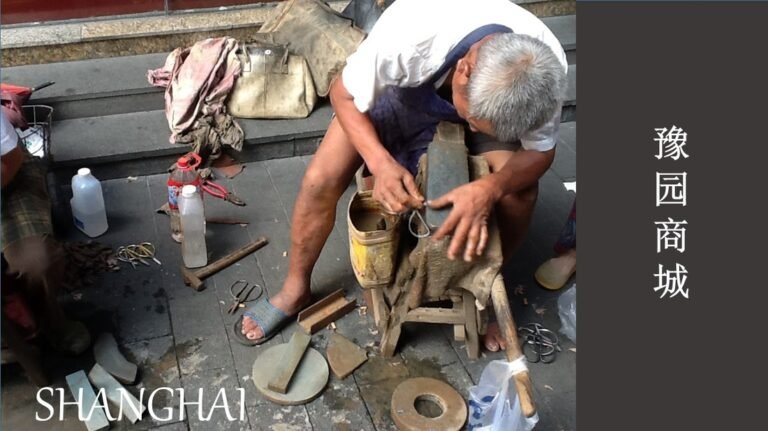
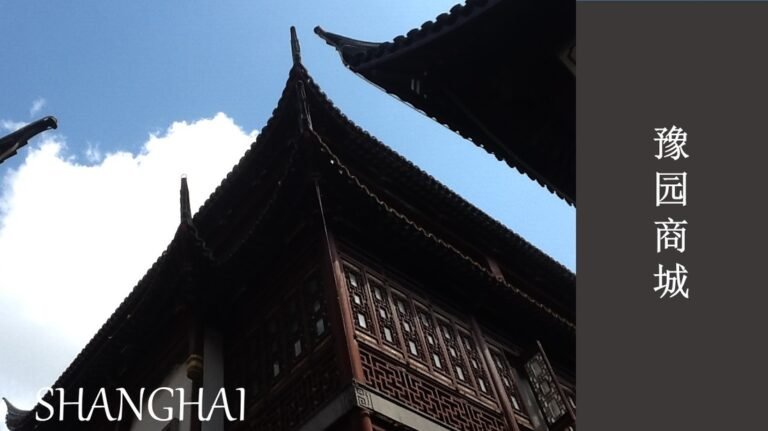
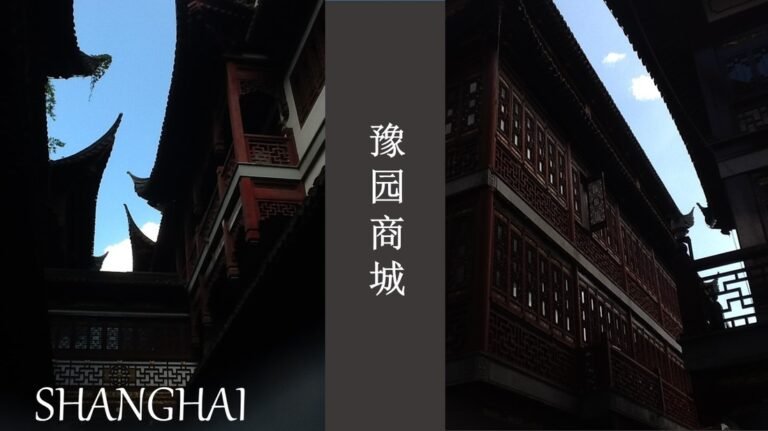
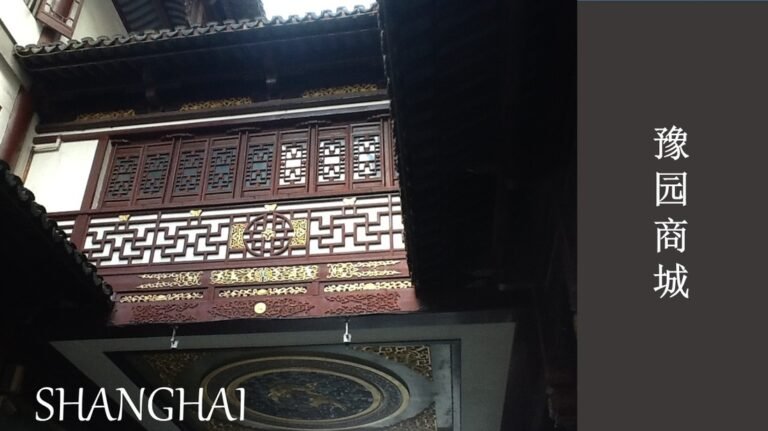
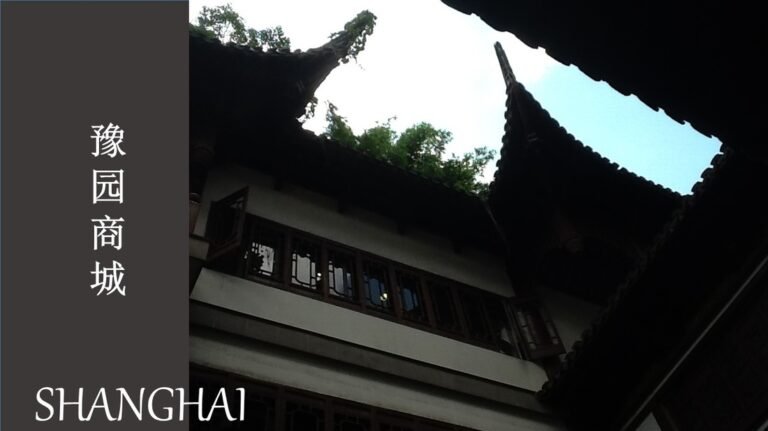
YUYUAN BAZAAR 豫园商城
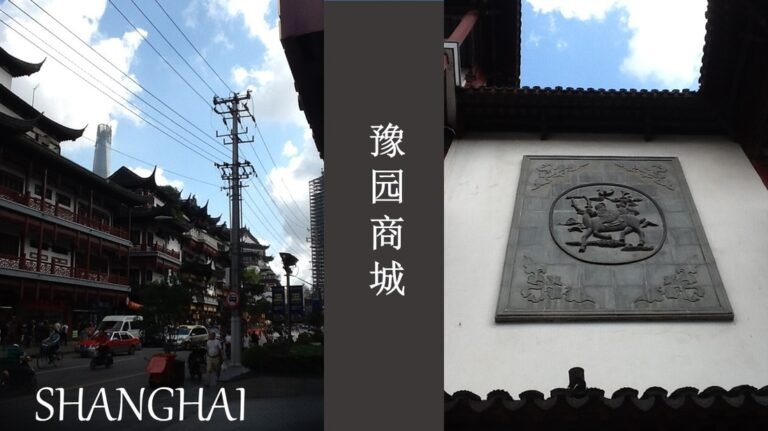
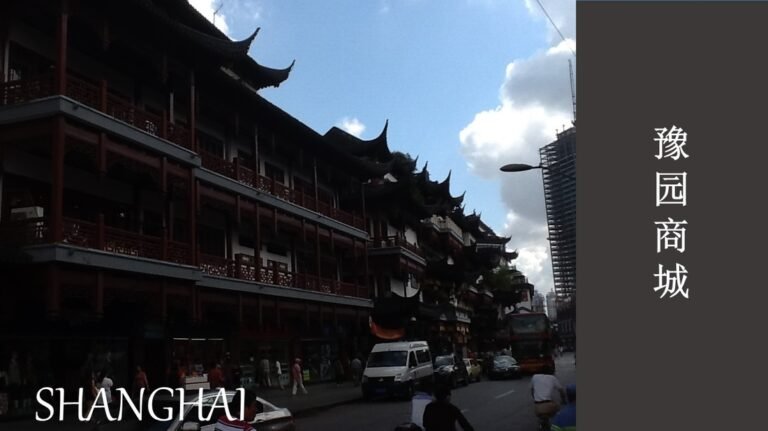
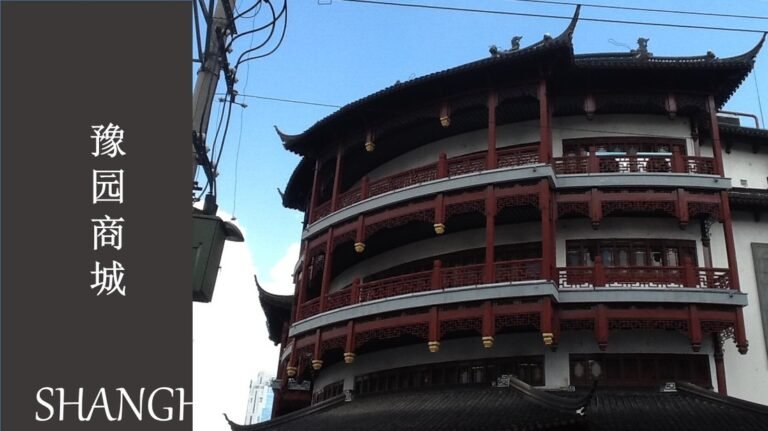
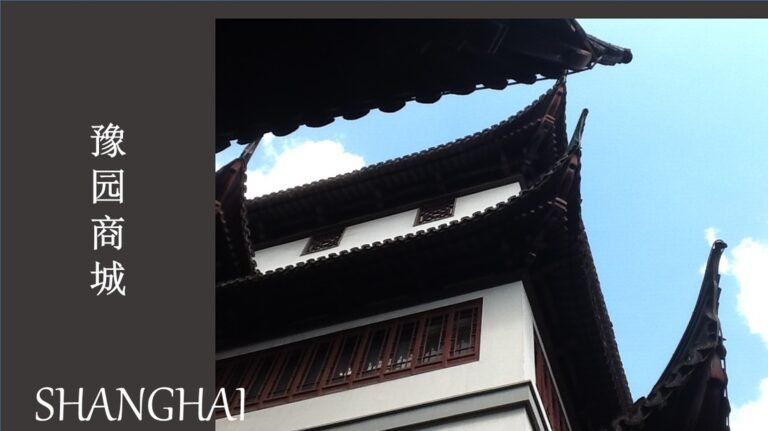
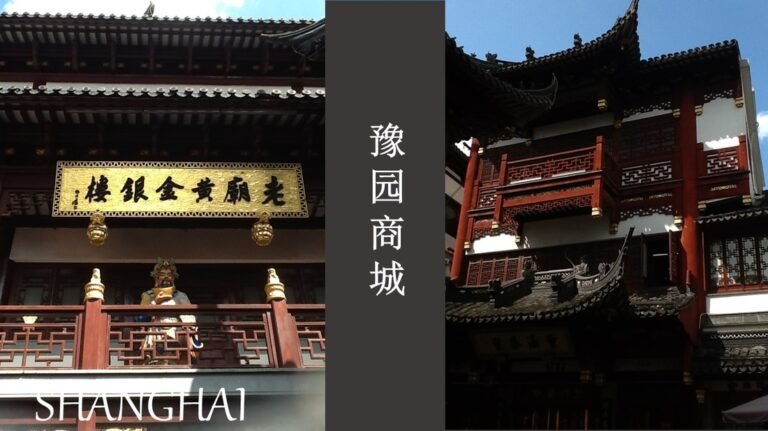
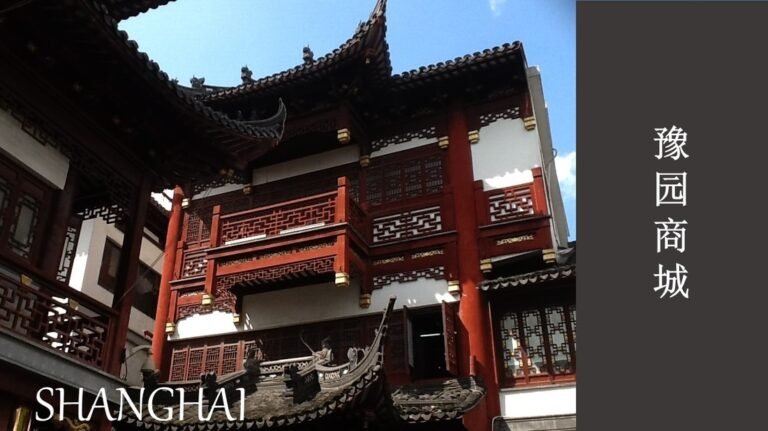
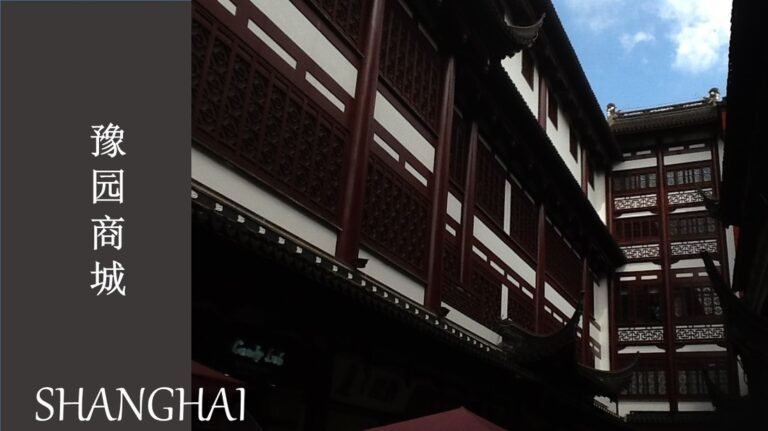
YUYUAN GARDEN 豫園站
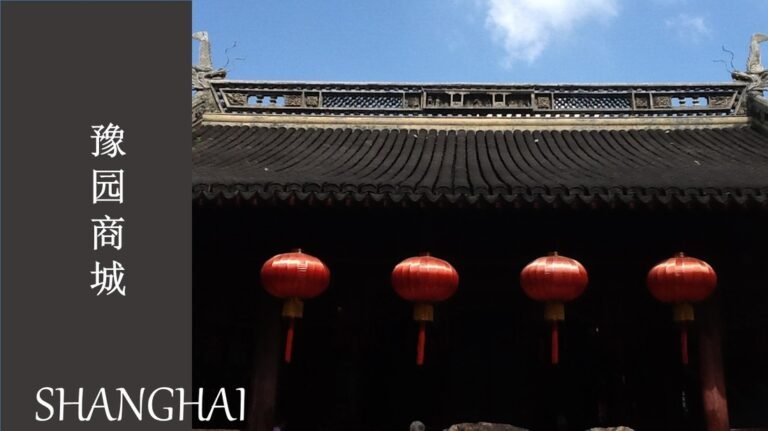
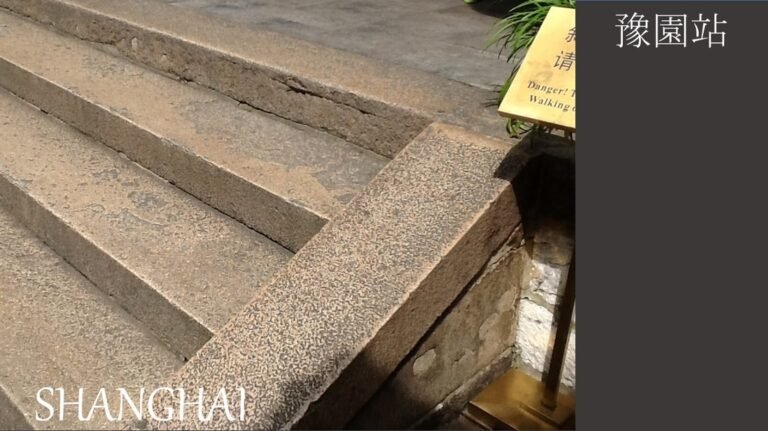
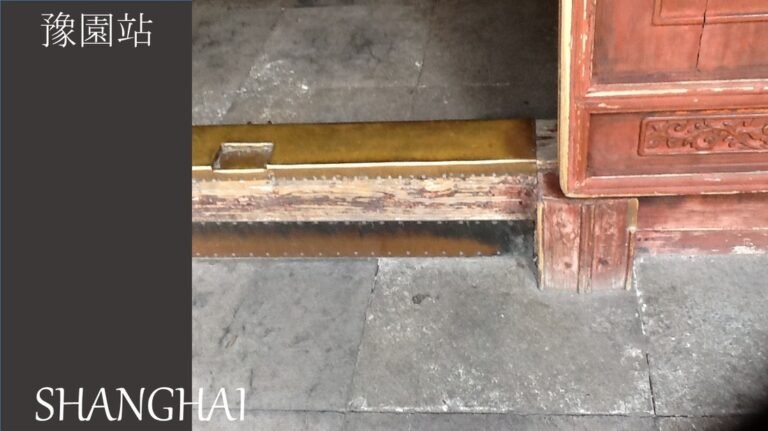
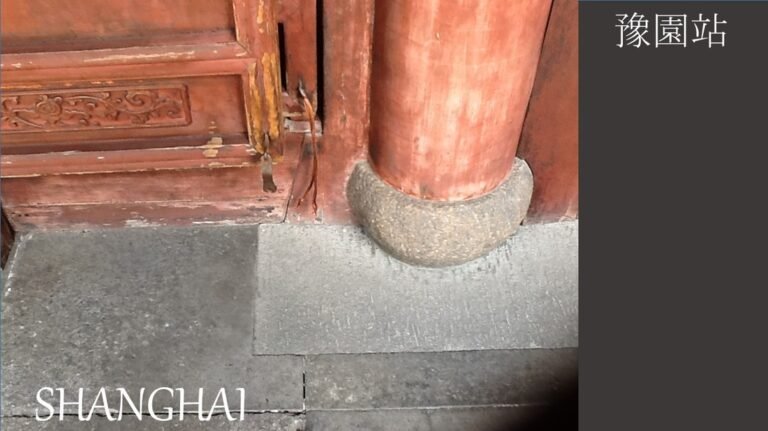
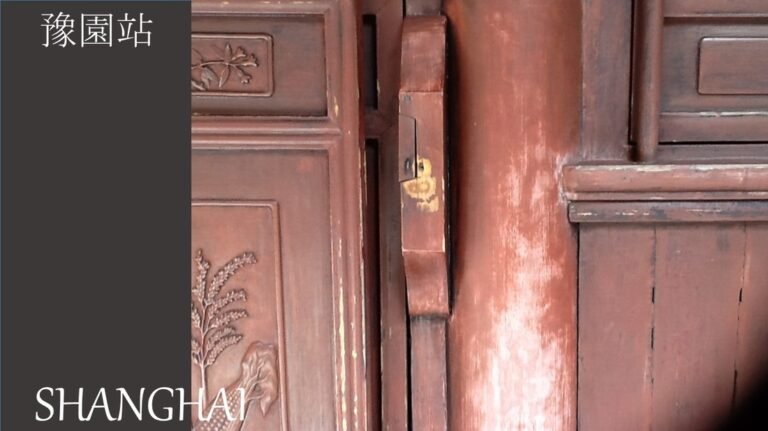
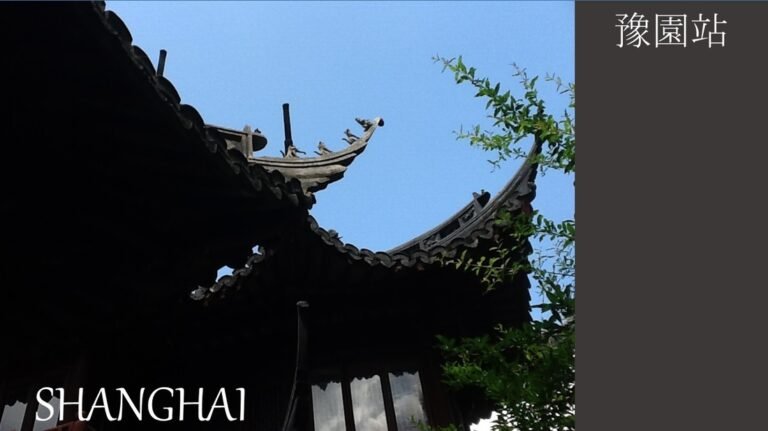
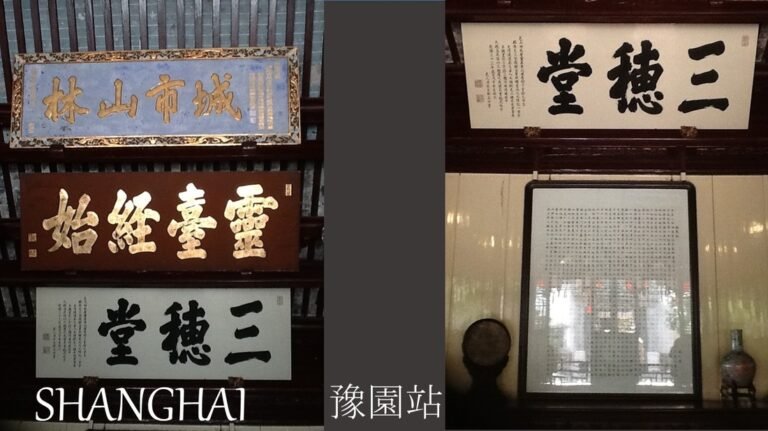
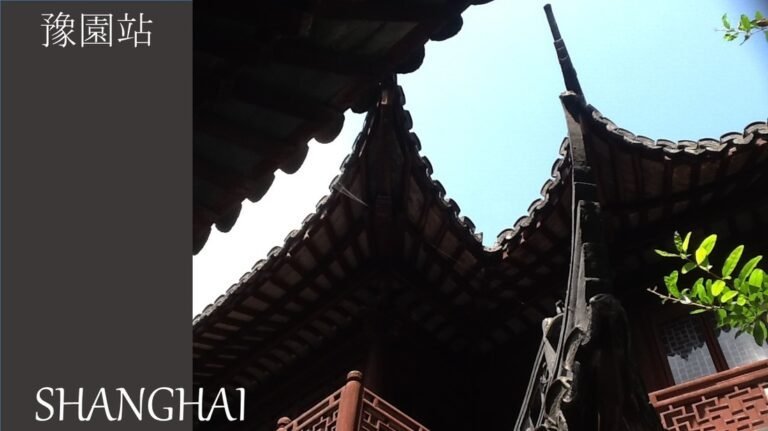
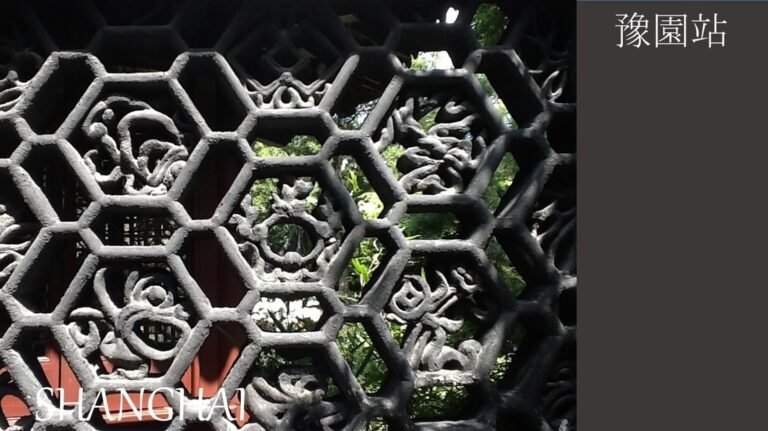
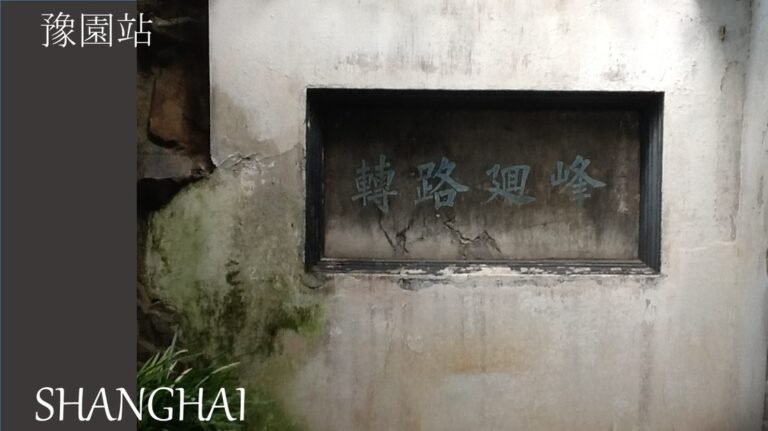
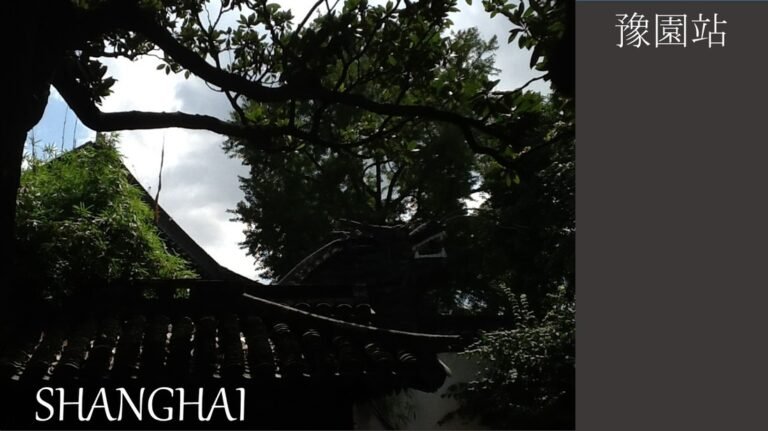
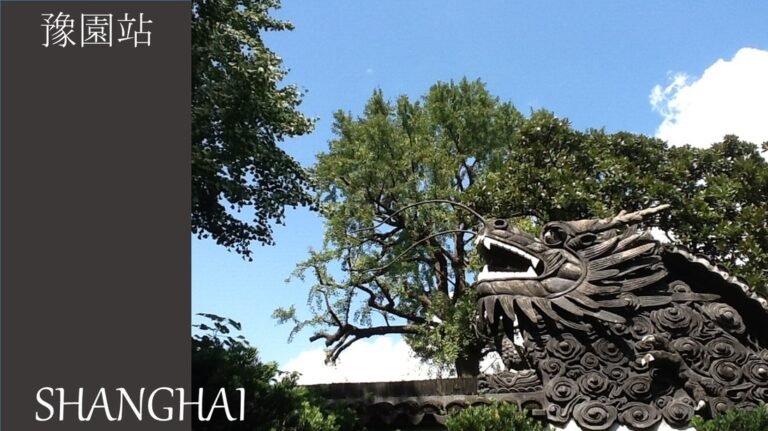
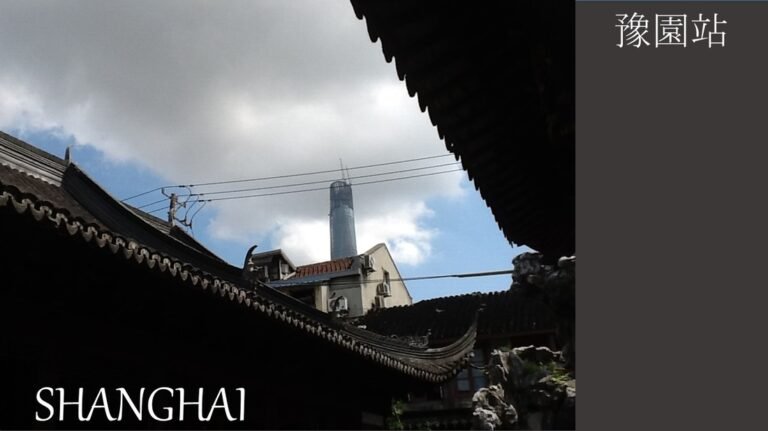
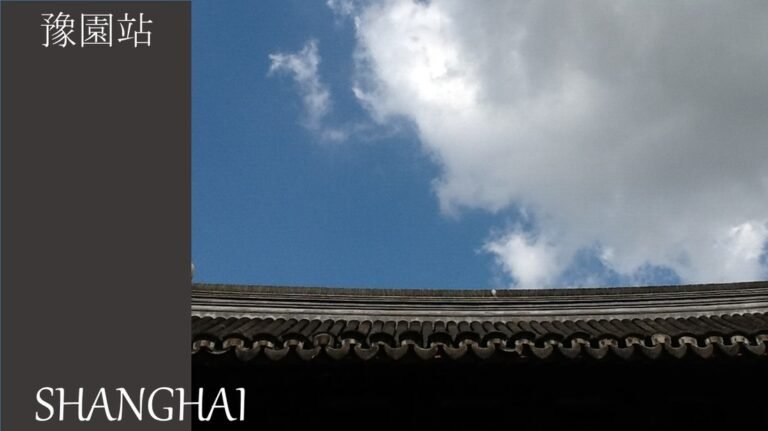
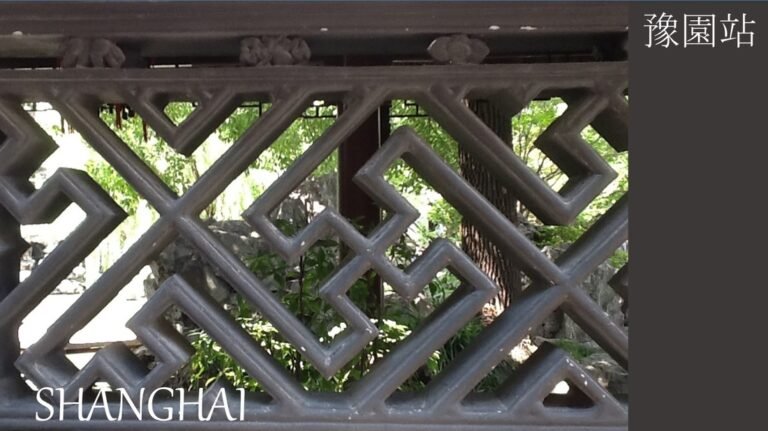
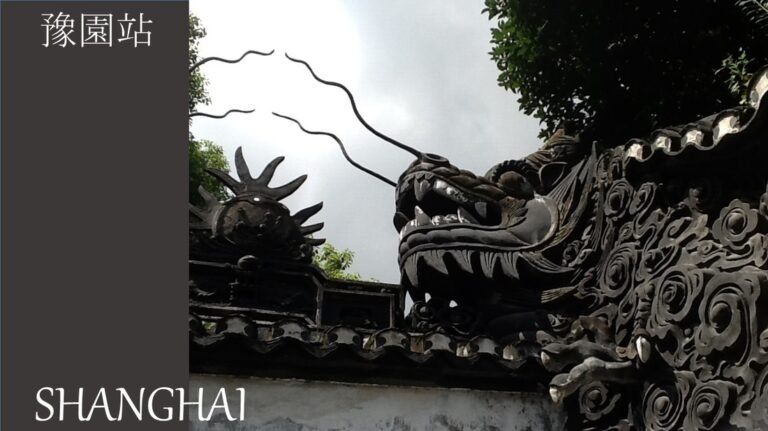
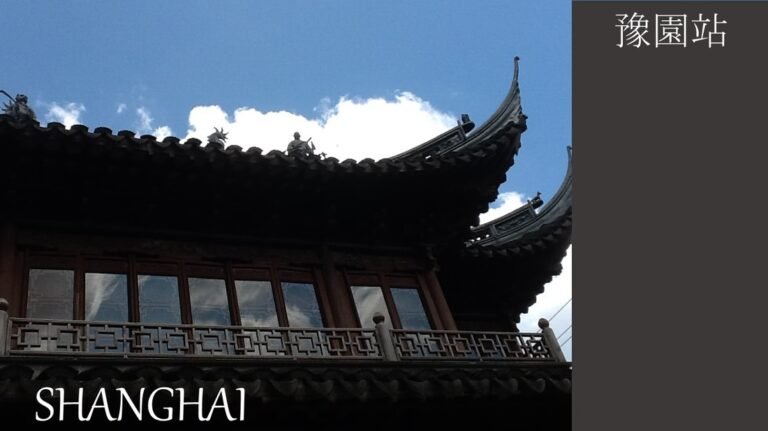
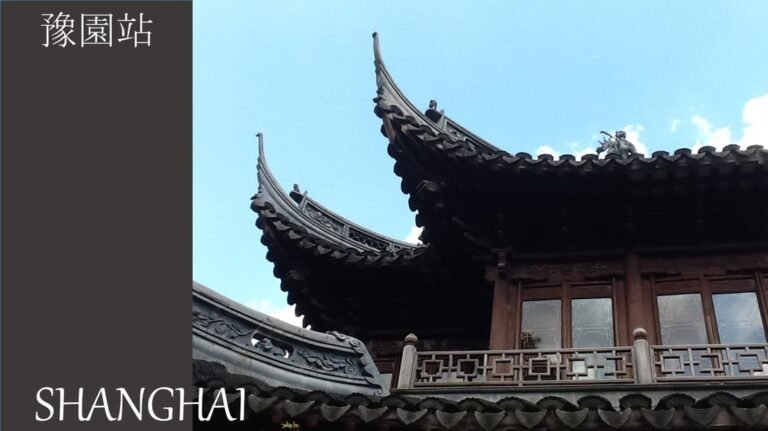
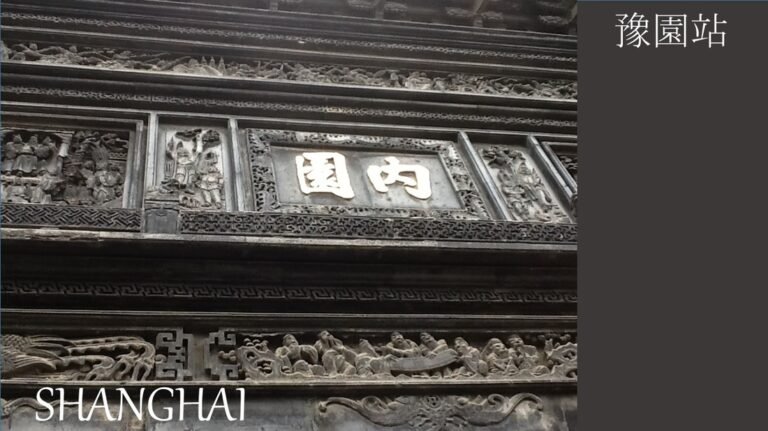
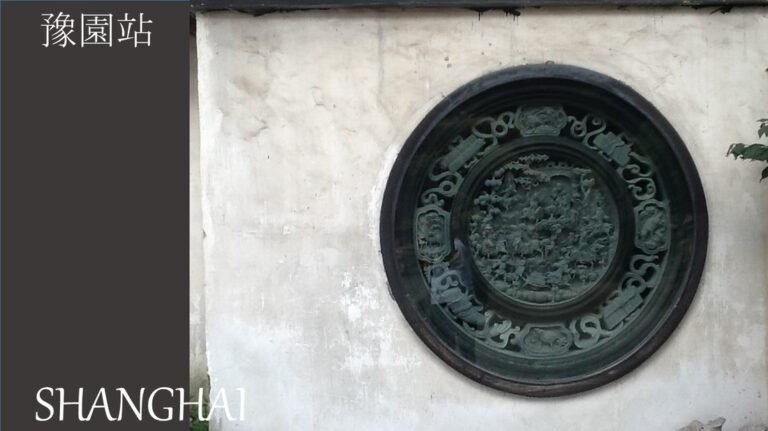
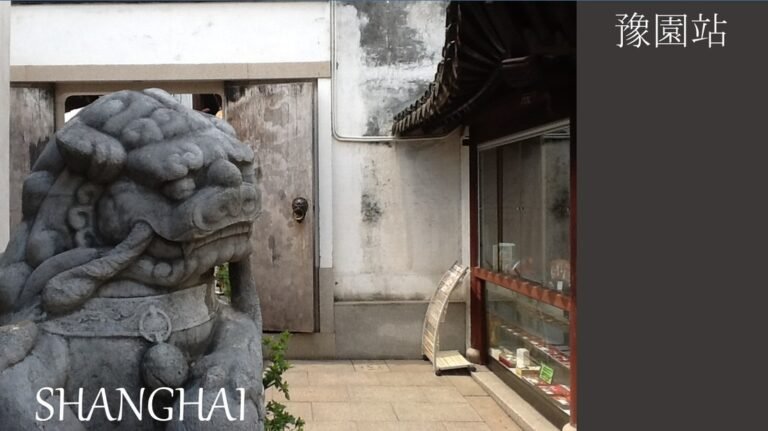
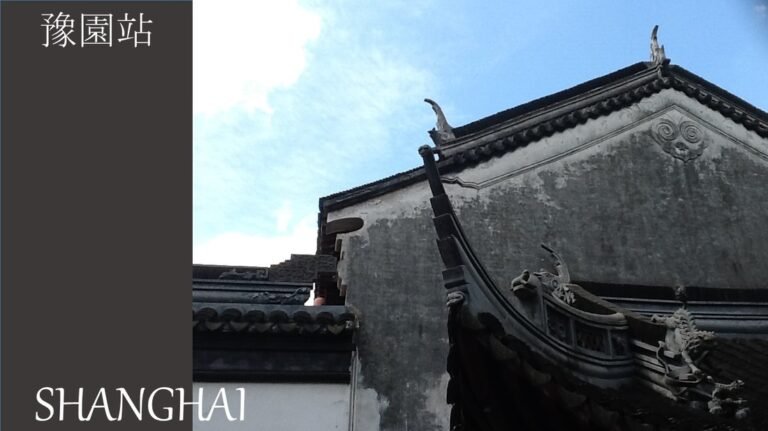
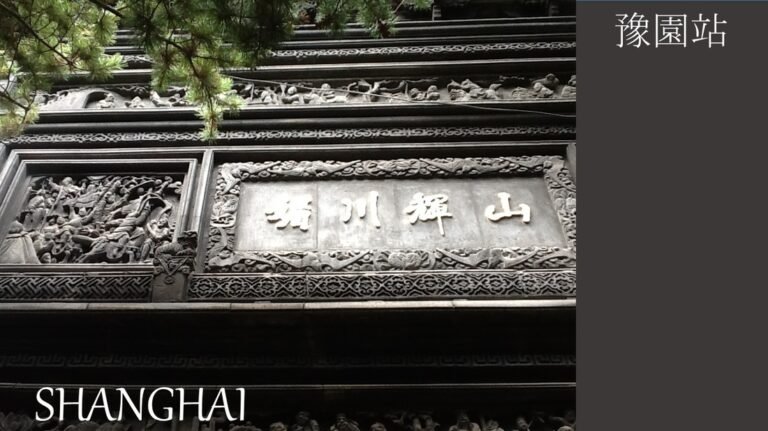
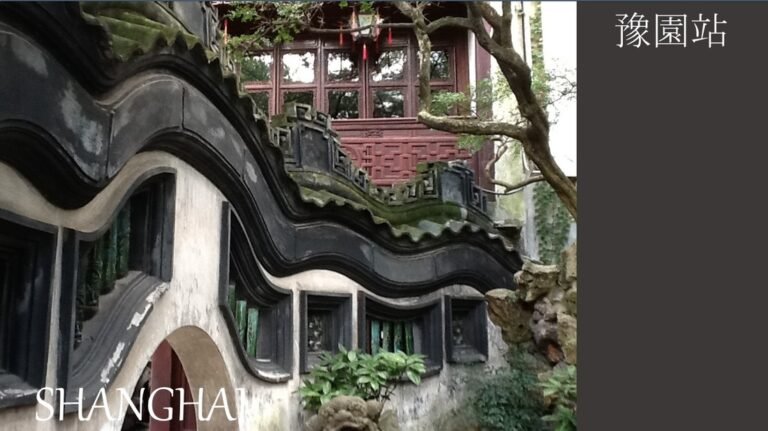
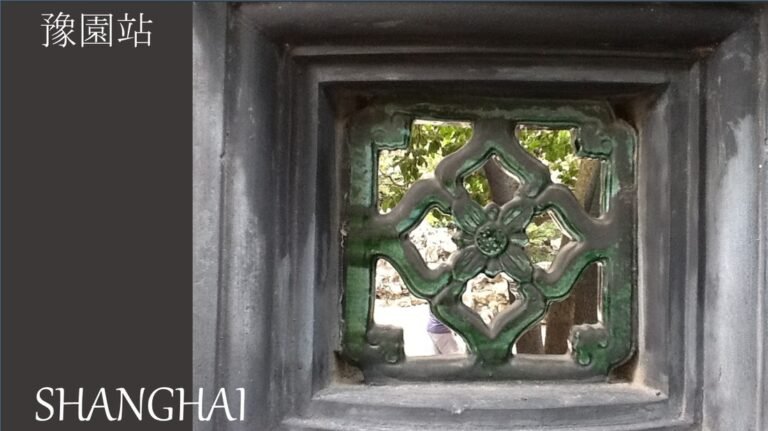
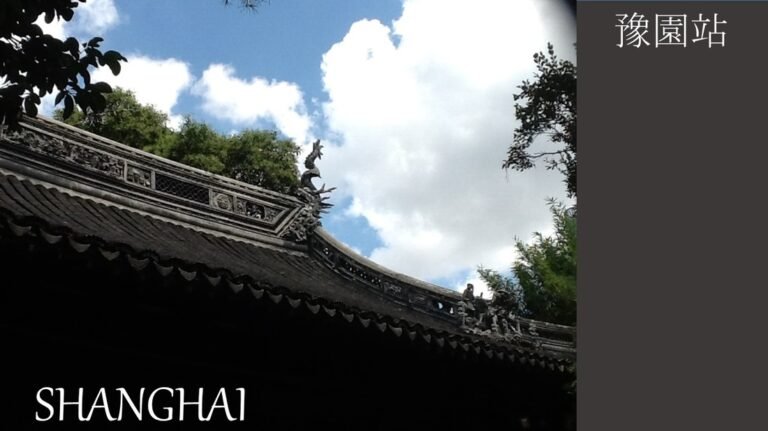
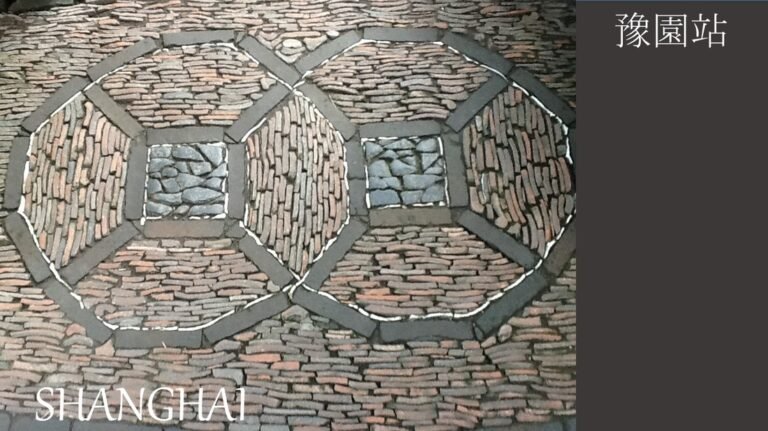
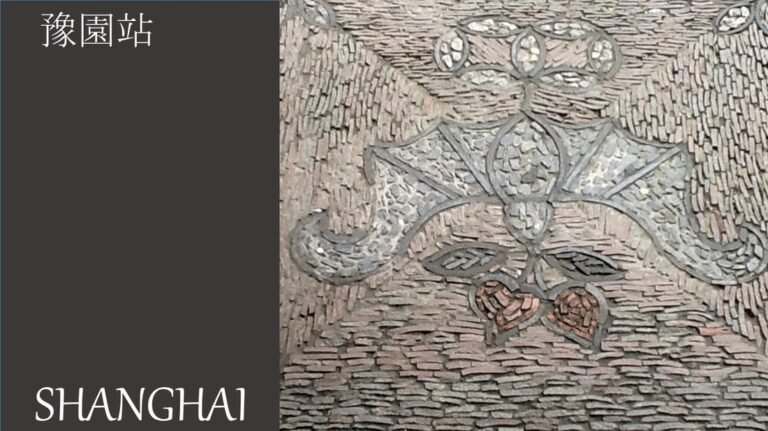
As mentioned above, the garden owner was Pan Yunduan. And in 1559, after he failed in examination of the ministry of rituals, he had the idea of building a garden. Later, Pan Yunduan was assigned to be an official of other place, and he did not have sufficient time to operate the garden construction. In 1577, he resigned from Sichuan and returned to Shanghai, since then, he had much time to operate the garden construction. He employed Zhang Nanyang (张南阳), a famous garden designer at the time, to design the garden and build the rockery. The whole garden was designed to be quite unique and classic. In late period of Ming Dynasty, it was the peak time of littérateurs to construct the gardens. There were hundreds of private gardens in Shanghai with different sizes. But there was only the Yuyuan Garden in Shanghai that could be the counterpart of Suzhou Humble Administrator Garden (拙政园) and Yanshan Garden (弇山园) of Taicang (太仓).
Initially, building this garden was for Pan Yunduan’s parents. But as the time went, Pan En, Pan Yunduan’s father, died when the garden was built completely. And the whole garden became his private garden for leisure and reclusive life. Pan Yunduan used to host the banquets, hold the sacrificing ceremonies, playing with crickets, playing the kites, writing the playscripts and exchanging the antiques and artistic masterpieces. The monks, nuns, fortunetellers, prostitutes and other different walks of life were all available in the garden. Owing to the long-term luxurious life and the large expenditure of building the garden, Pan Family was declined. Pan Yunduan had to sell the farmlands and antiques to maintain his life. After his death, the garden was deserted. In later period of Ming Dynasty, the Yuyuan garden was possessed by Zhang Zhaolin (张肇林, the husband of Pan Yunduan’s granddaughter ) for a long time. In early period of Qing Dynasty, The Yuyuan Garden was owned by different people in different phases. In the early reign of Emperor Kangxi, some local celebrated gentlemen changed some halls of Yuyuan Garden to be Qinghe Academy (清和书院, Purity-Harmony Academy), but the whole reconstruction of academy was not completed, because the main operator named Zhang Shengqu (张升衢) as the governor of Songjiang was demoted.
In 1709, the local gentlemen of Shanghai for meeting the needs of the public movement bought a part of the land on the east side of Shanghai City God Temple, which is today’s East Garden, anciently called Lingyuan(灵苑). In 1760, some local rich merchants donated much to restore the resort of gardens. After more than 20 years, another famous part of the garden was built, and it was called West Garden. The reconstructed West Garden was not the private garden any more but the gathering place of local people. But the scale and layout was the original. During the opium war, Yuyuan garden was broken. In 1842, the British troops directly entered the old city of Shanghai and stationed in Yuyuan garden and City God Temple, and their headquarters was at Huxinting, Lake-Center Pavilion.
In 1855, the Insurgency of Small Swords Society was suppressed successfully, and troops of Qing government stationed in Yuyuan Garden. But the classical sites like Xiangxue Hall, Dianchun Hall, Guihua Hall, Deyue Tower, Huashen Pavilion and Lotus Hall were all destroyed. During the eastern expedition of the Taiping Heavenly Kingdom, the Qing Government requested the Foreign Gun Brigade to fight against the insurgents. Yuyuan secondly acted as the military camp. During the reign of Emperors Jiaqing and Daoguang, the business of Shanghai got a fast development. Some societies of the same trade of the business were set in Yuyuan garden. The Yuyuan garden became the places for worshipping the god, discussing, hosting the party and traveling. And in the garden, the tea houses and restaurants largely appeared. The place on the southwest side of Lotus Pool also became some characteristic business market; the local artists’ performances, the fortunetelling, selling the sugars and playing the raree shows were all available over there.
By 1875, there had been the associations of the bean and rice industry, sugar industry and cloth industry, and even some associations also opened the schools. During the Republic of China, the Yuyuan garden was divided into two parts by a road, which today is called Yuyuan Road. And the buildings of the garden like Ninghui Pavilion, Qingfeng Hall, Lvbo Corridor and Haole House all became the shops, restaurants and tea houses. During Songhu Battle, or the Battle of Shanghai, Xiangxue Hall was burnt down. A lot of the buildings were destroyed. Fortunately, the most important buildings like Dianchun Hall, Sanhui Hall, Giant Rockery and some pavilions and trees were well preserved.
After 1949, Yuyuan got the large-scale reconstruction and resurfacing except the destruction of Yuyuan Garden during The Cultural Revolution, and a lot of buildings were rebuilt and extended. Besides, the fame of Yuyuan gaden also spread worldwide. A lot of international giants like Queen Elizabeth II visited Yuyuan Garden.
1933
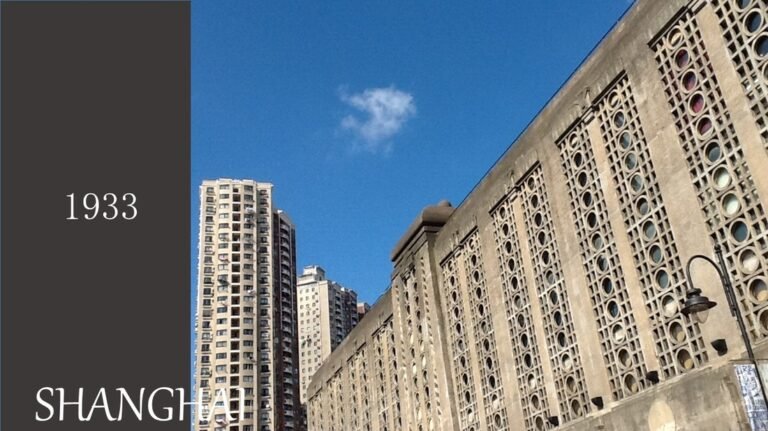
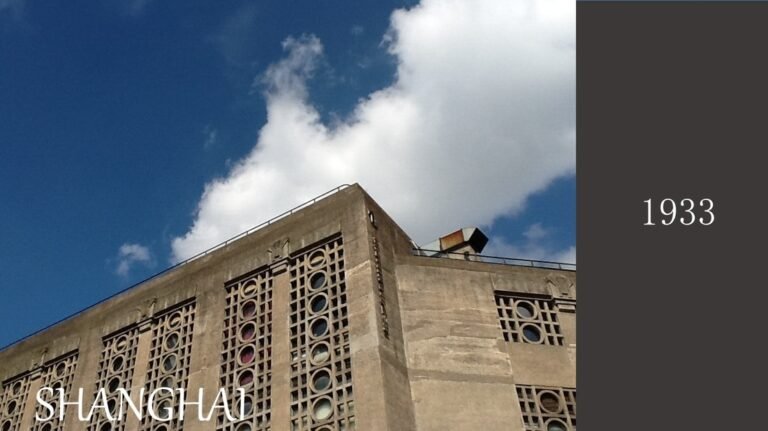
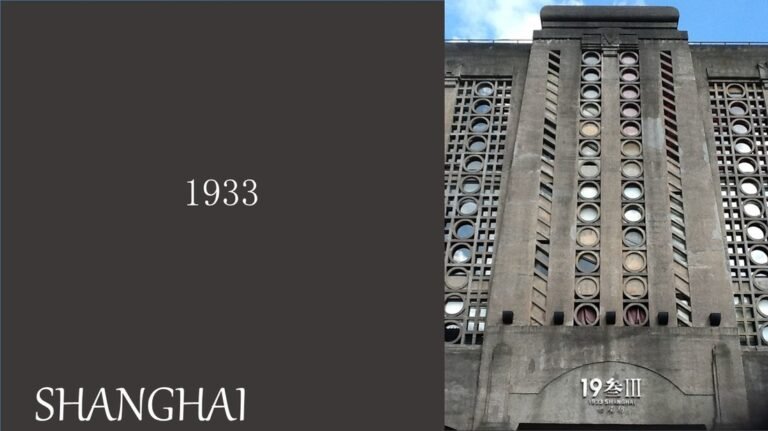
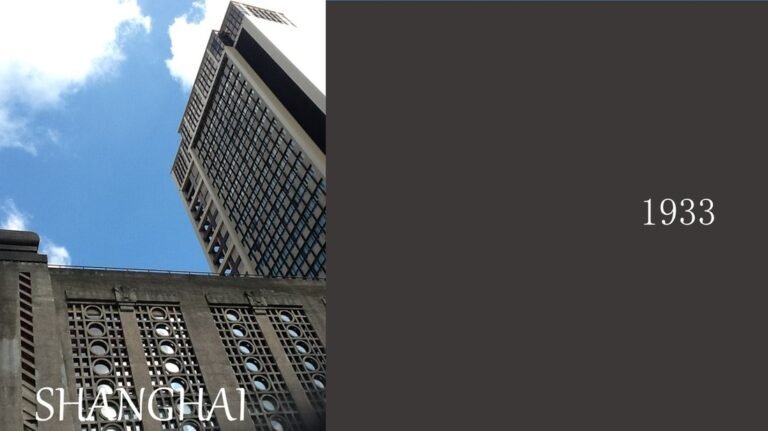
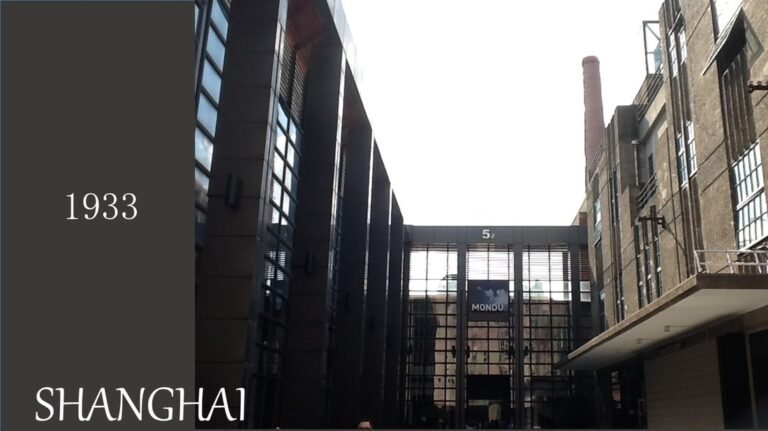
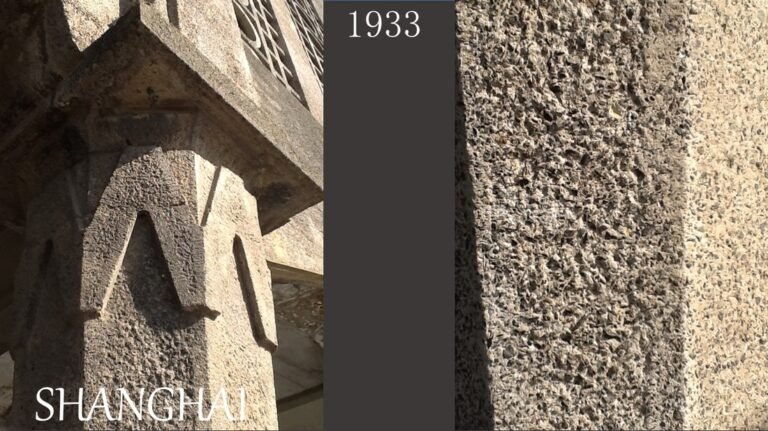
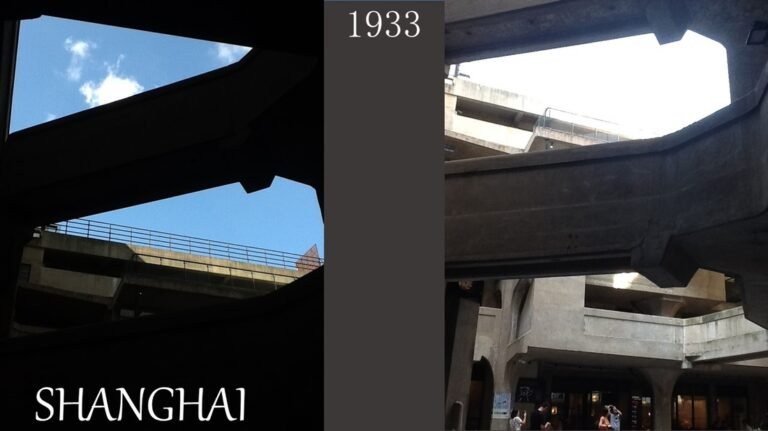
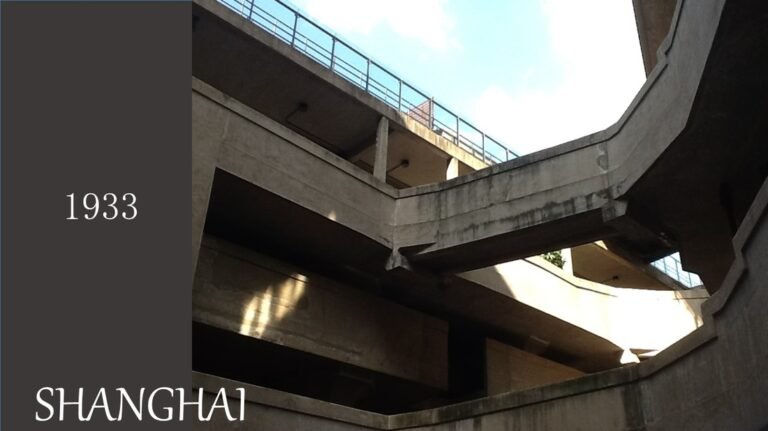
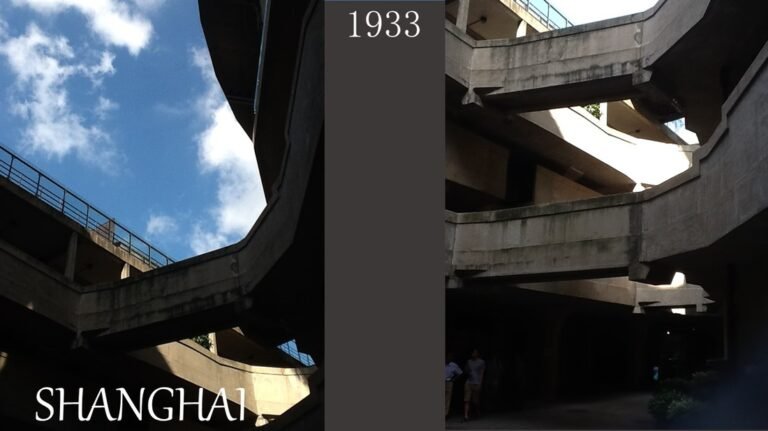
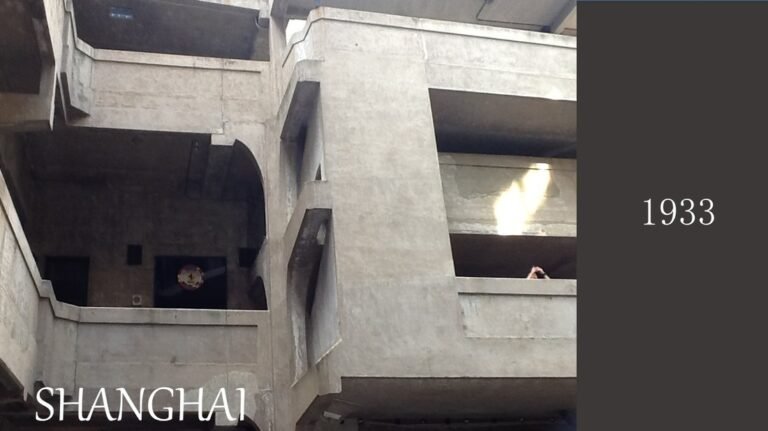

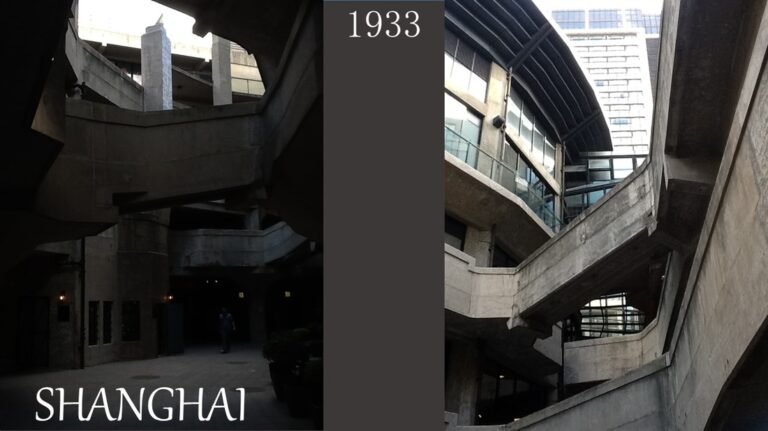
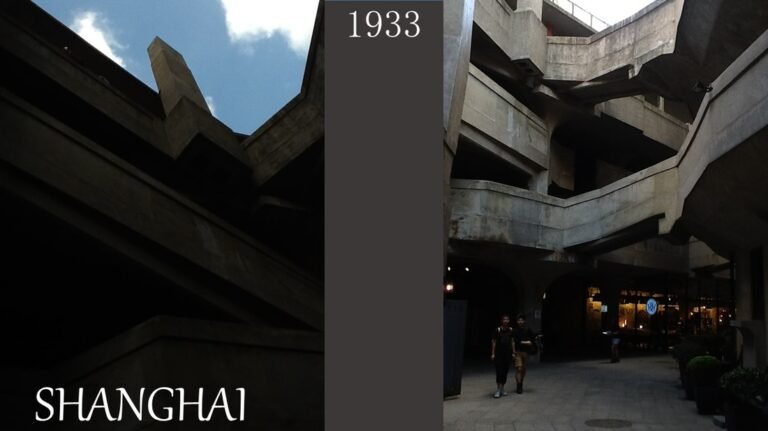
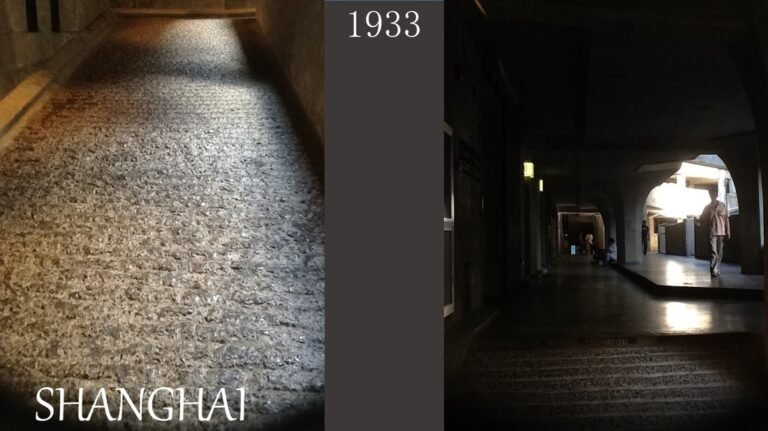
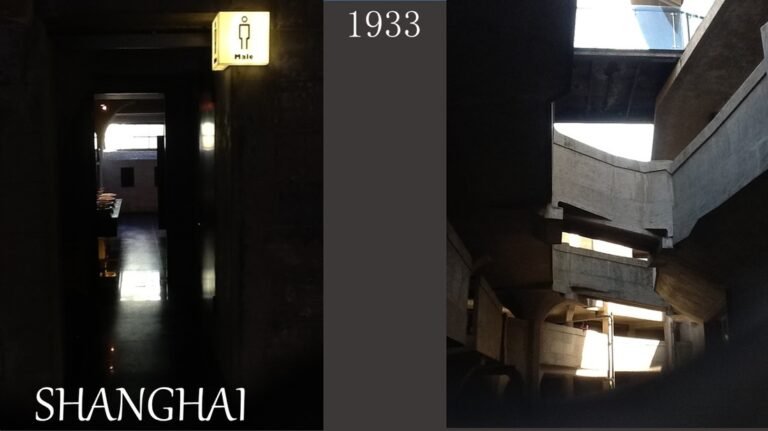
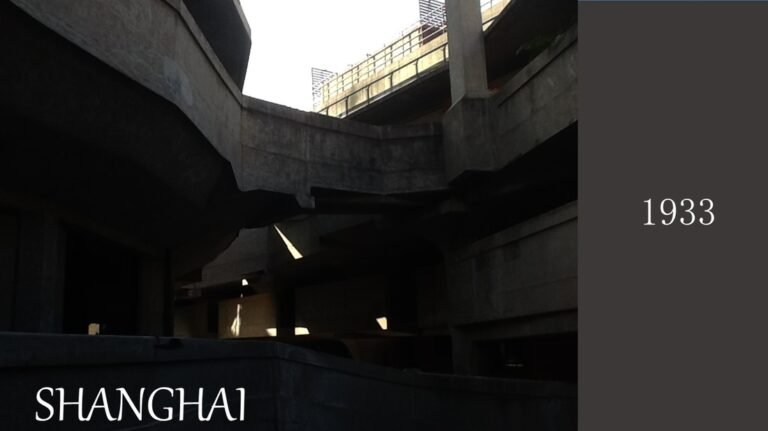

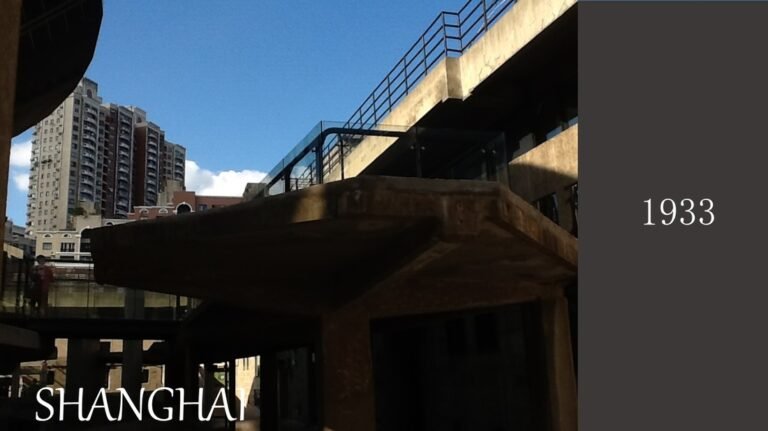
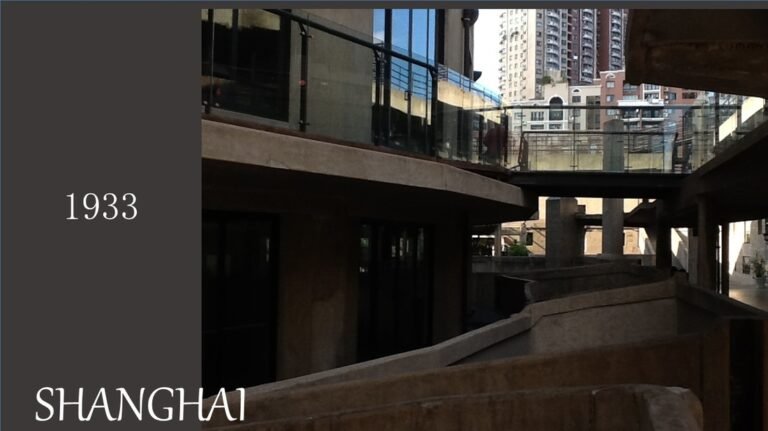
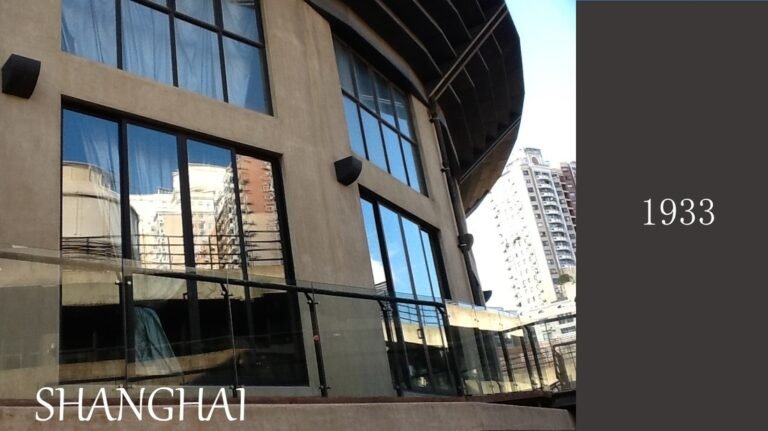
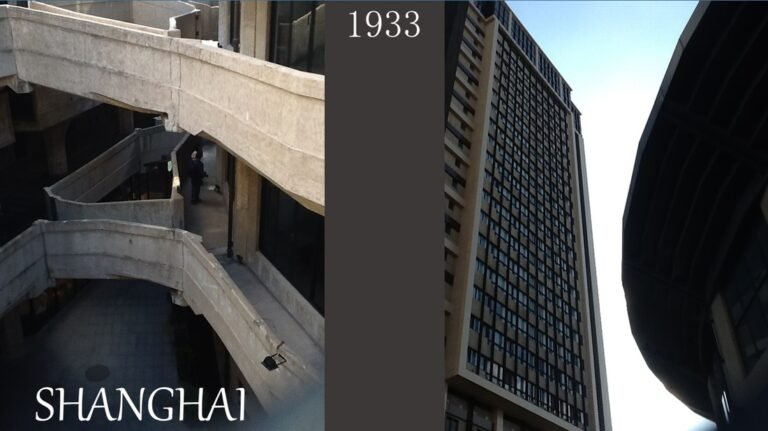
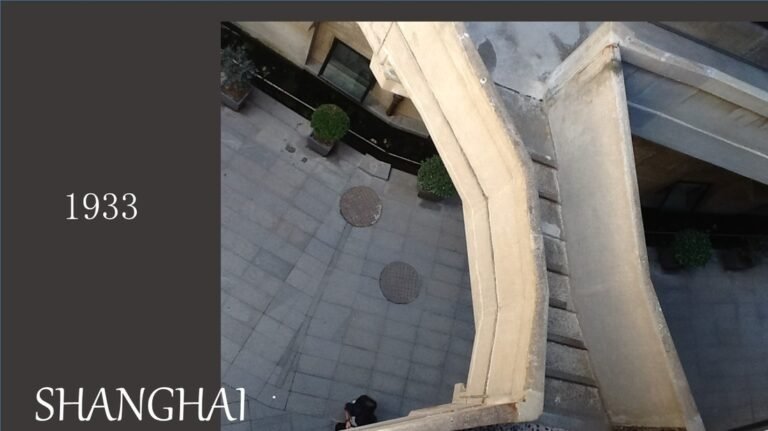
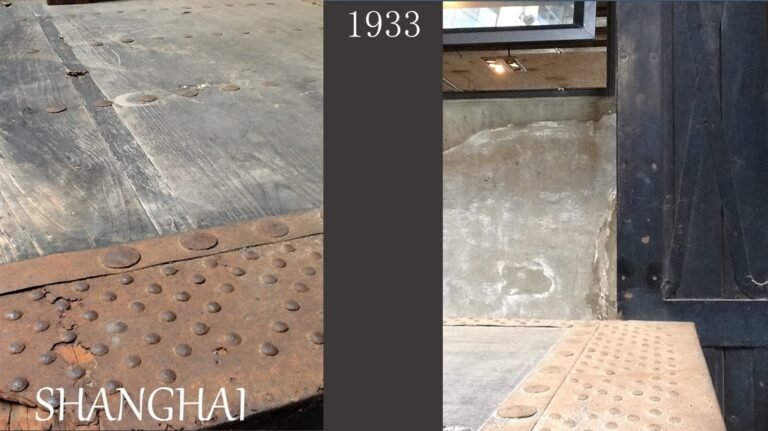
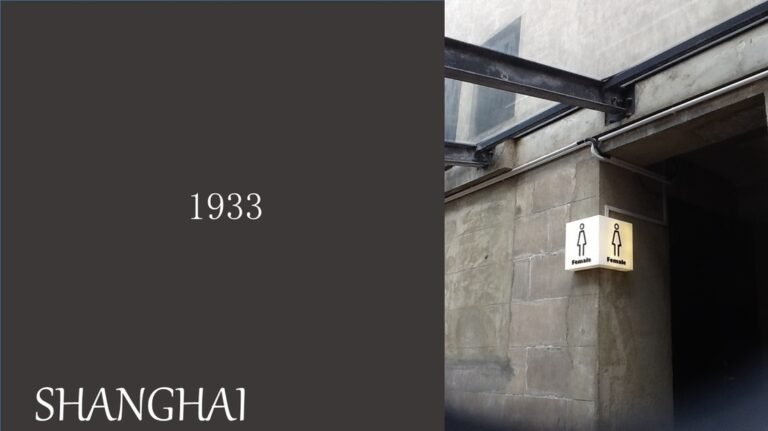
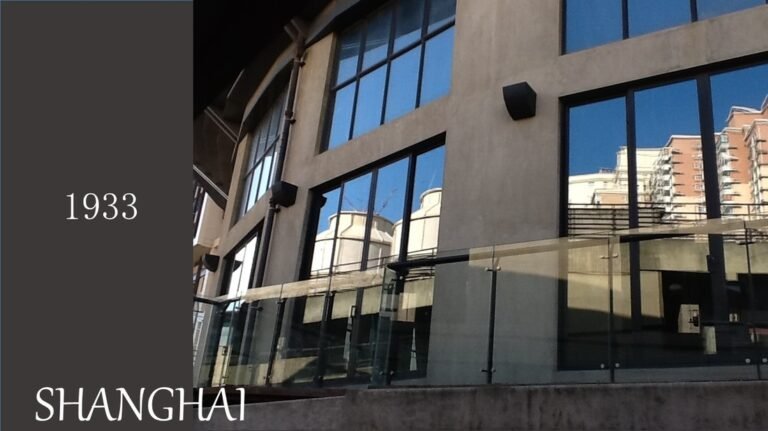
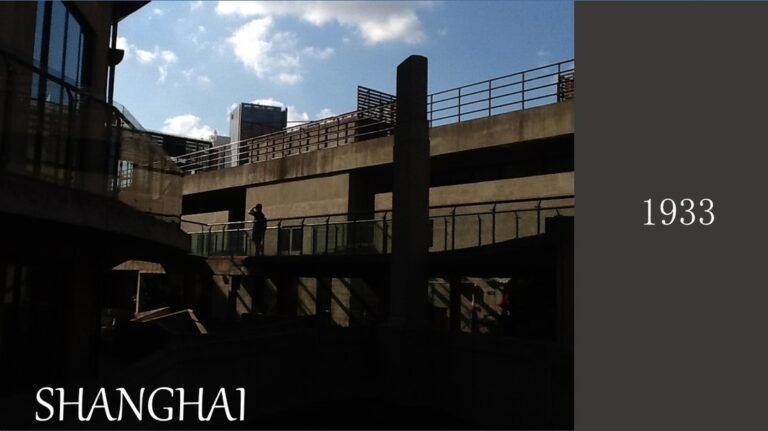
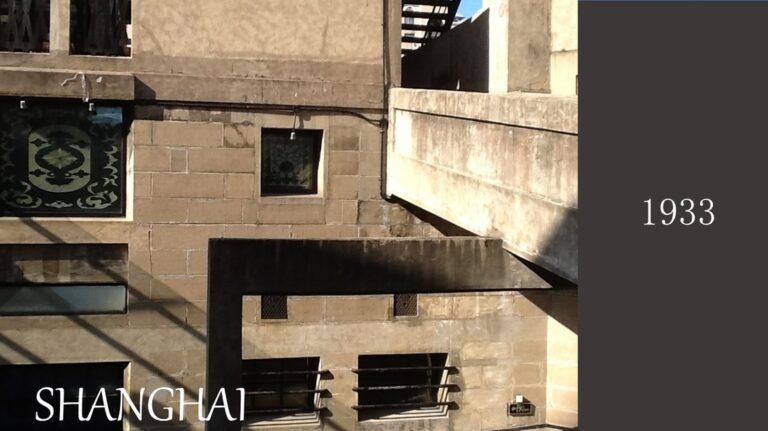
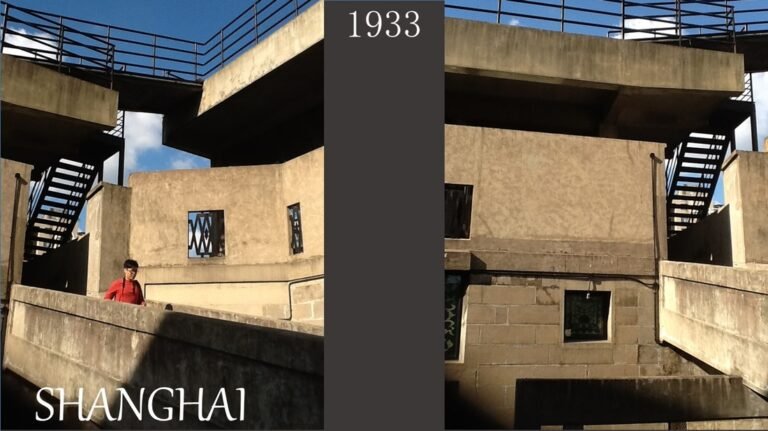
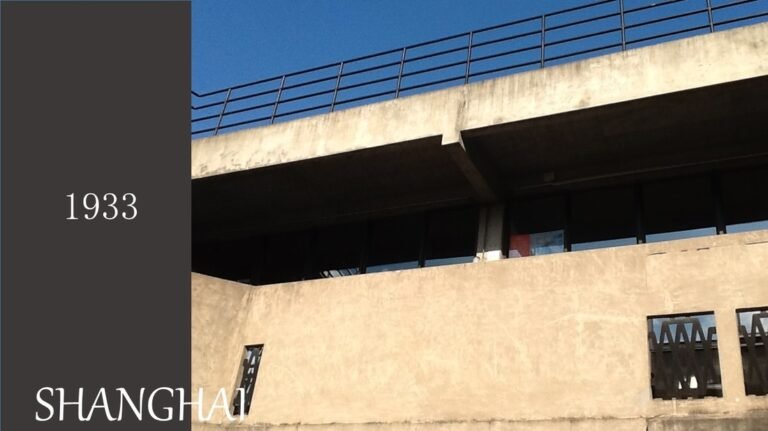

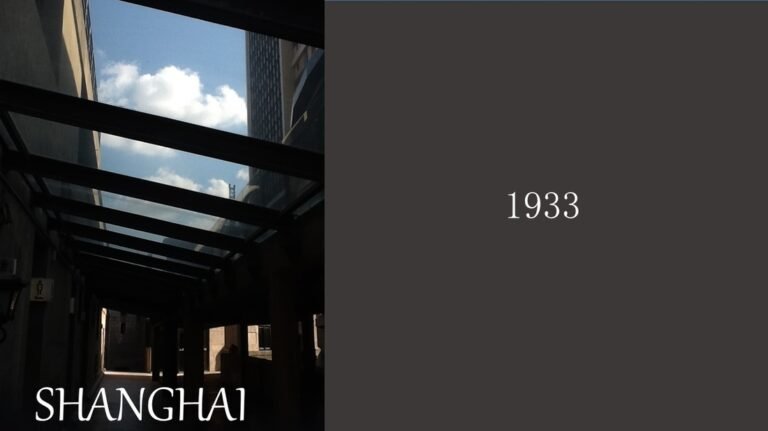
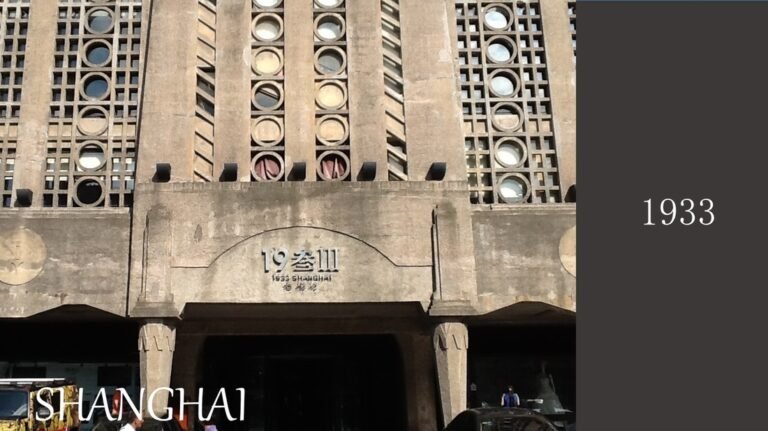
Located in the historic Hongkou District, 1933 Shanghai (上海1933老场坊) was built amidst the vibrant urban landscape of pre-communist Shanghai. Designed originally by British architects, and built in 1933 by Chinese developers, the building was originally intended for use as a slaughterhouse but served a number of purposes over the years from medicine factory, cold storage facility, to its current incarnation as a ‘commercial hub for creative industries’.
Concrete is one of the hardest building materials to use in an aesthetically pleasing way since by its very nature is cold, hard and difficult to mould in unconventional ways. Despite this the original architect managed to find a way to fulfill its practical mission as an abattoir, yet also incorporate decorative elements such as the ‘flowering columns’ seen above and below.
More description read http://randomwire.com/1933-shanghai-slaughterhouse/
BUND 外灘
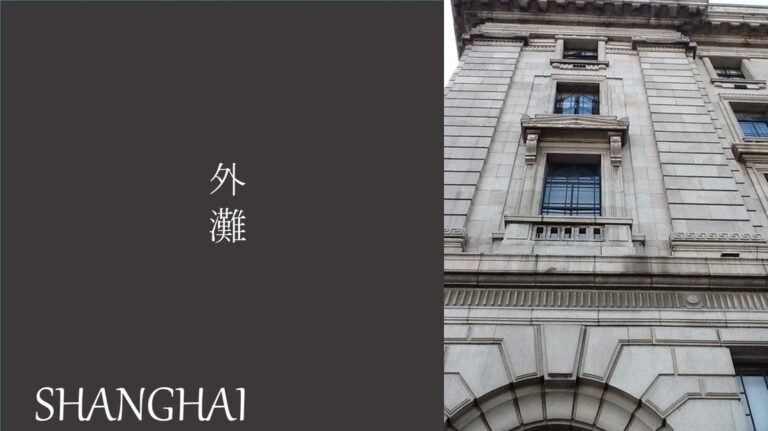
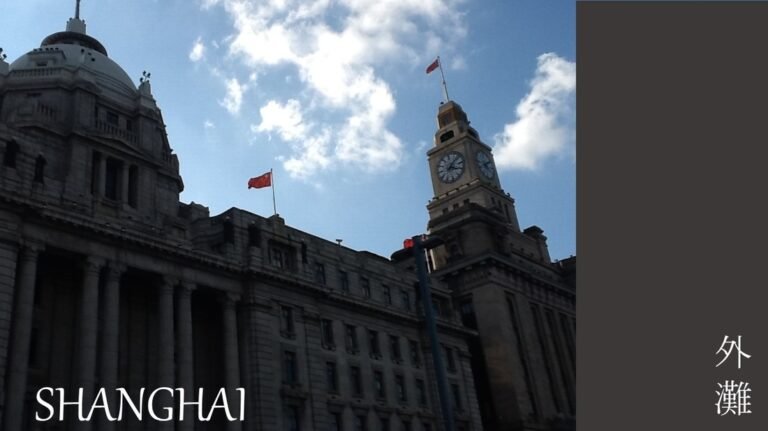
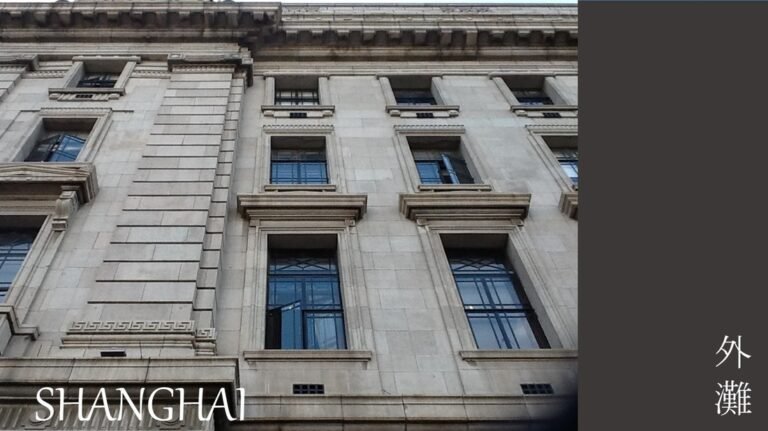
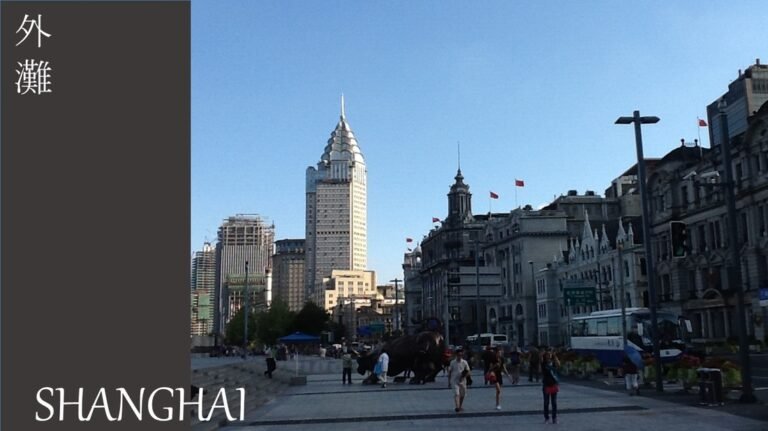
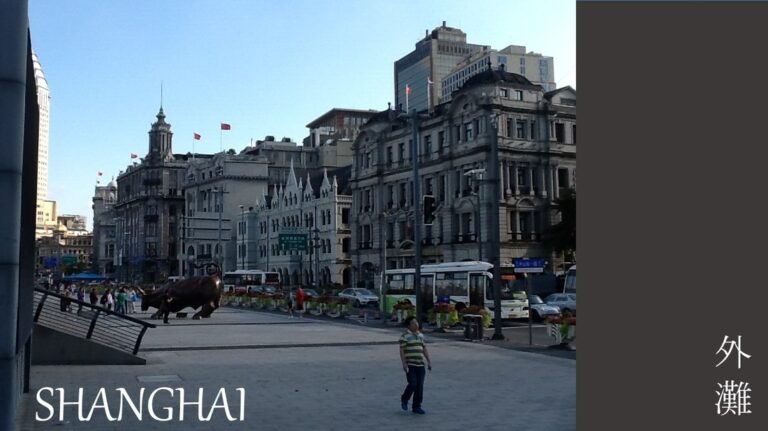
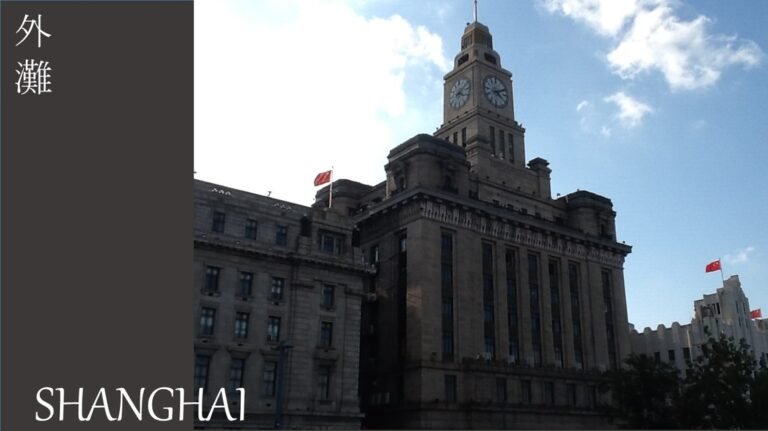
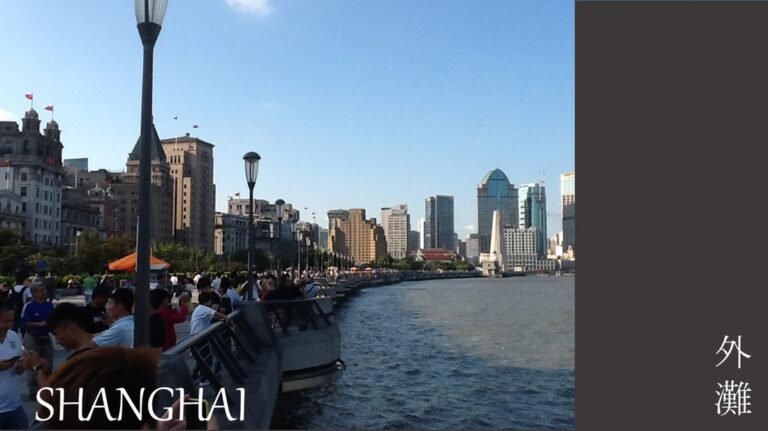
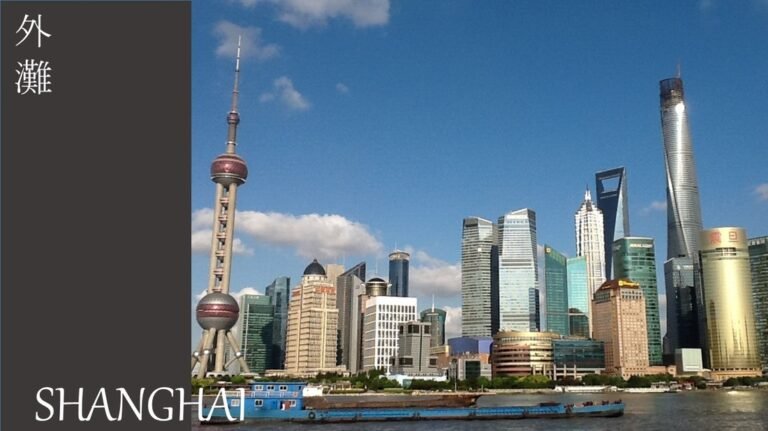
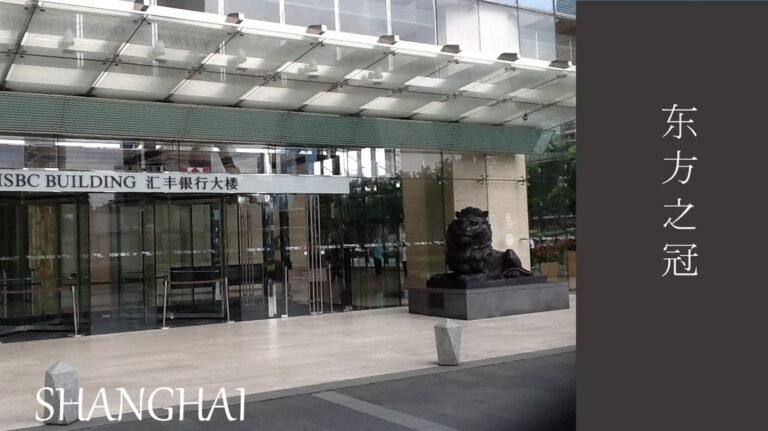
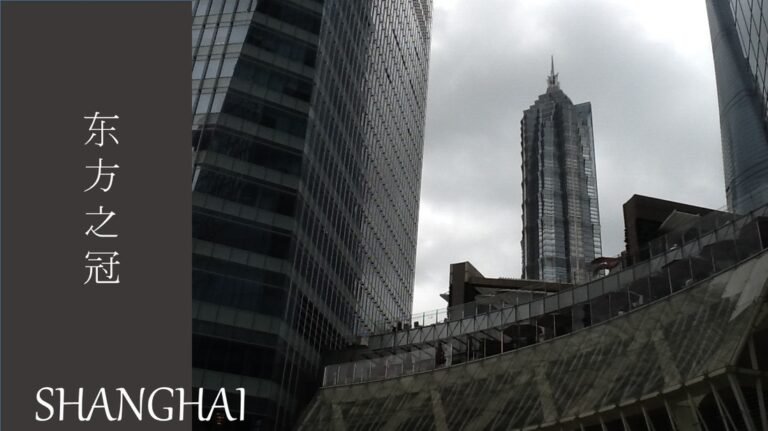
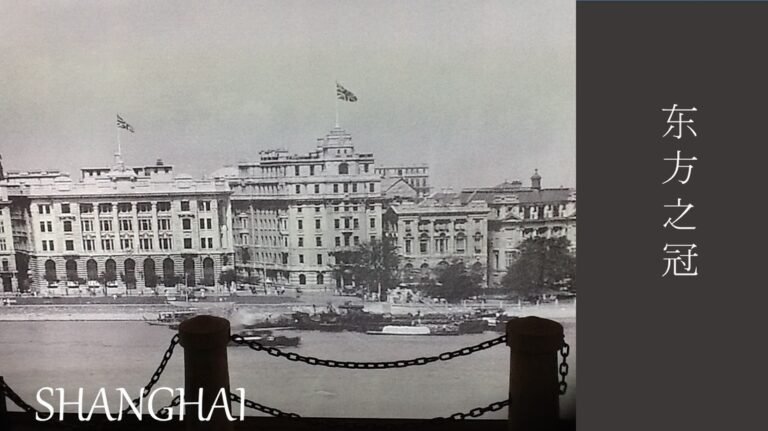
Originally as the deserted beach of Huangpu River, the Bund used to be the riverside bottomland at the northern side of old downtown Shanghai. Also called Huangpu Road, Yangzi Road and Huangputan Road, the Bund was changed to be Zhongshandongyilu in 1945. In 1843, Shanghai was forced to open, and George Balfour(1809-1894), the first consul of the United Kingdom to Shanghai, took a fancy to the area of the Bund. In 1845, in the name of the so-called” The Shanghai Land Regulations”, the consulate of UK designated an area including the Bund as the Concession of UK. In 1849, the southern part of UK Concession was marked as the Concession of France. But the towering and significant building clusters were thoroughly completed by the end of 1930s. These diverse buildings featuring the multi-cultural charm and co-existence of classicism and modernism have been the great highlights of Shanghai travel resources. Used to be the political, financial and cultural center of the foreign powers in Shanghai, the bund had many consulates of different countries and the banking institutions, and these buildings shape the renowned exotic buildings clusters in Shanghai. The gothic fastigium, ancient Greek fornix, baroque pillars and Spanish balcony are all attractive. They give the Bund the limitless beauty and charm. During this period, Shanghai became the symbol of the Far-East largest economic center. After the large-scale resurfacing and reconstruction in 1992, the bund revitalizes itself and has been selected as the favorite attraction of Shanghai, the buildings represented by the Bank of China, Peace Hotel, Custom House, HSBC Building designed by different architects, but their hues are basically similar. So someone says: the story of the Bund is the story of Shanghai. This is quite reasonable. Standing by the Peace Hotel (Cathay Hotel), viewing the Jin Mao Tower and Oriental Pearl Tower is another feeling of Shanghai.
TIAN ZI FANG 田子坊
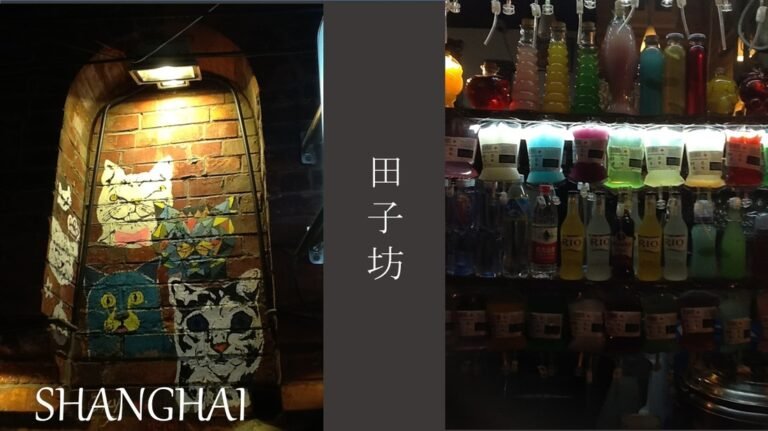
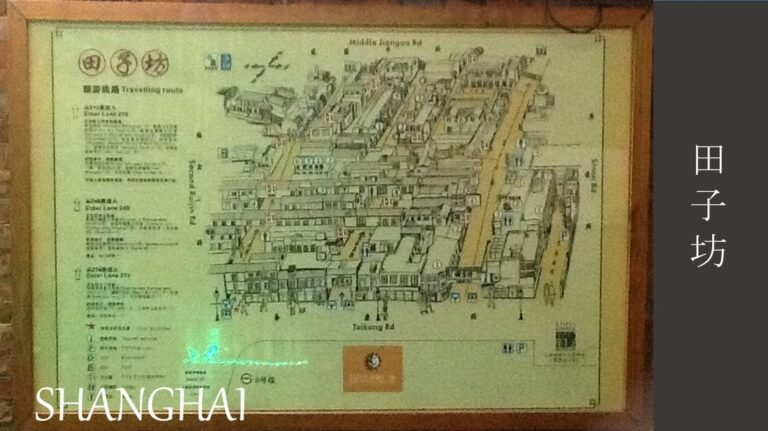
Tianzifang is a tourist shopping and cafe area in Shanghai in the Old French Quarter. Unlike the better known Xintiandi area nearby, the area retains an “organic and original” feel because the area hasn’t been markedly reconstructed in recent years. Instead you’ll see buildings, alleys and streets of the old French Quarter with later Chinese additions piled on.
In an effort to stave off redevelopment, in the middle of the last decade, artists, business owners, and residents in the area banded together and preserved the original architecture. Though it is still a Chinese residential area, it has become famous as a “rabbit warren” of arts and crafts shops,and less-expensive less-expensive restaurants, bars, and cafes. Thousands of Chinese still live in the apartments above the shops.
For many tourists and expats in Shanghai it is a favorite place to go. Prices are high compared to other places in Shanghai since it has become a tourist attraction, but they find the Chinese residential atmosphere and the old-style buildings, narrow alleys, and less touristy atmosphere fascinating.
PUDONG AIRPORT
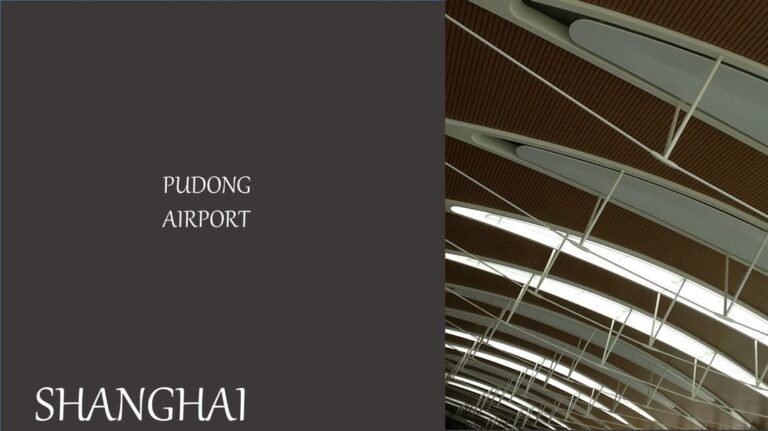
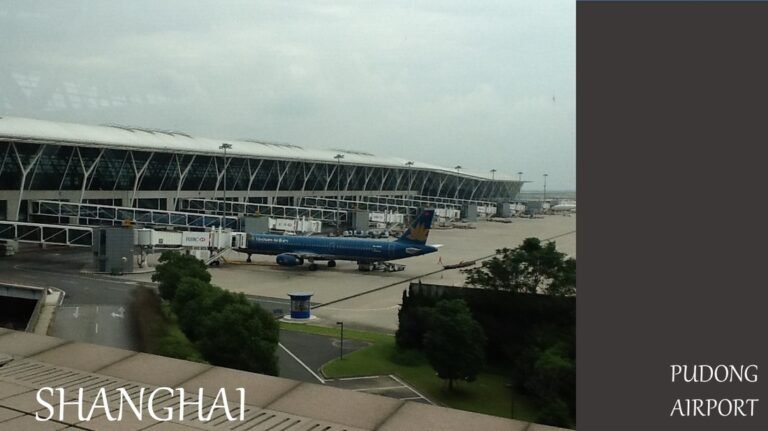
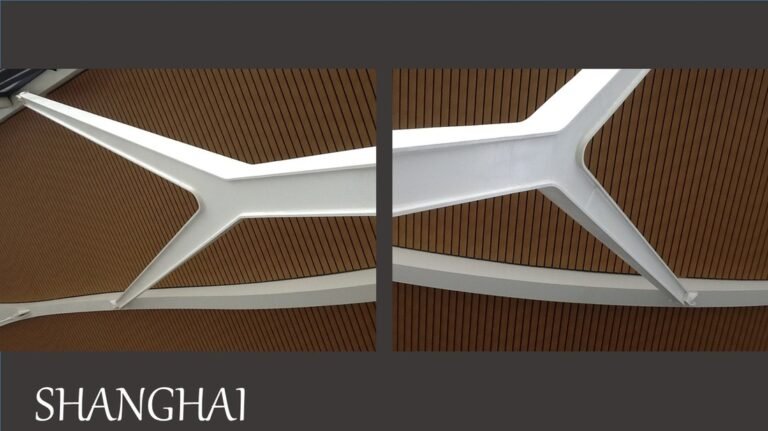
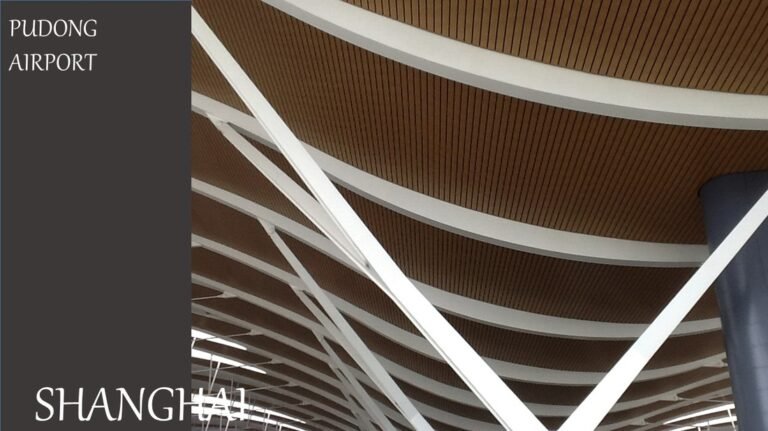
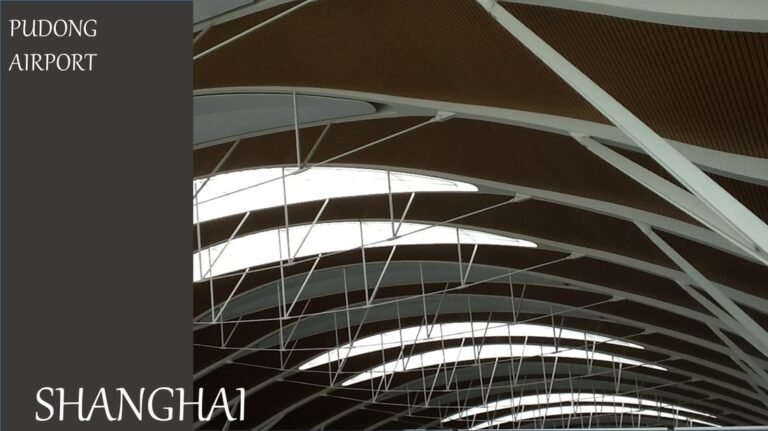
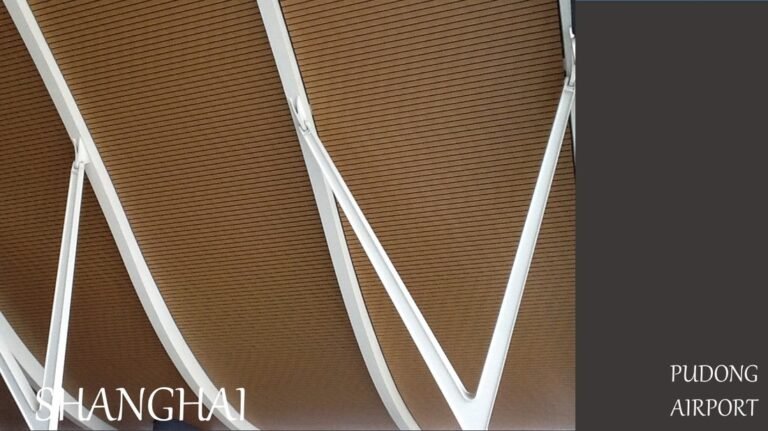
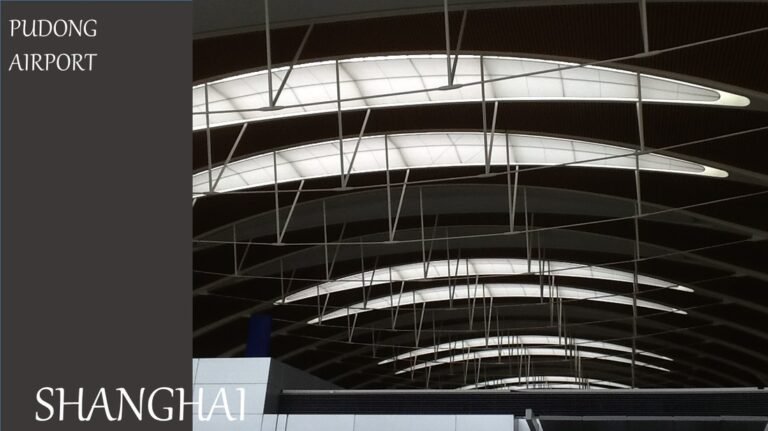
Prior to the establishment of Pudong International Airport, Hongqiao International Airport was the primary airport of Shanghai. During the 1990s, the expansion of Hongqiao Airport to meet growing demand became impossible as the surrounding urban area was developing significantly, and an alternative to assume all international flights had to be sought. A suitable site was selected on the coast of the Pudong development zone to the east of Shanghai.
Construction of the first phase of the new Shanghai Pudong International Airport began in October 1997, took two years to build at a cost of RMB 12 billion (1.67 billion USD), and was opened on October 1, 1999. It covers an area of 40 square kilometres (15 sq mi) and is 30 kilometres (19 mi) from downtown Shanghai. The first phase of the airport has one 4E category runway (4000 m x 60 m) along with two parallel taxiways, an 800,000-square-metre (8,600,000 sq ft) apron, seventy-six aircraft positions and a 50,000 m2 (540,000 sq ft) cargo warehouse.
A second runway was opened on March 17, 2005, and construction of phase two (including a second terminal, a third runway and a cargo terminal) began in December 2005 and started operation on March 26, 2008, in time for the Beijing 2008 Summer Olympics.