
|
|


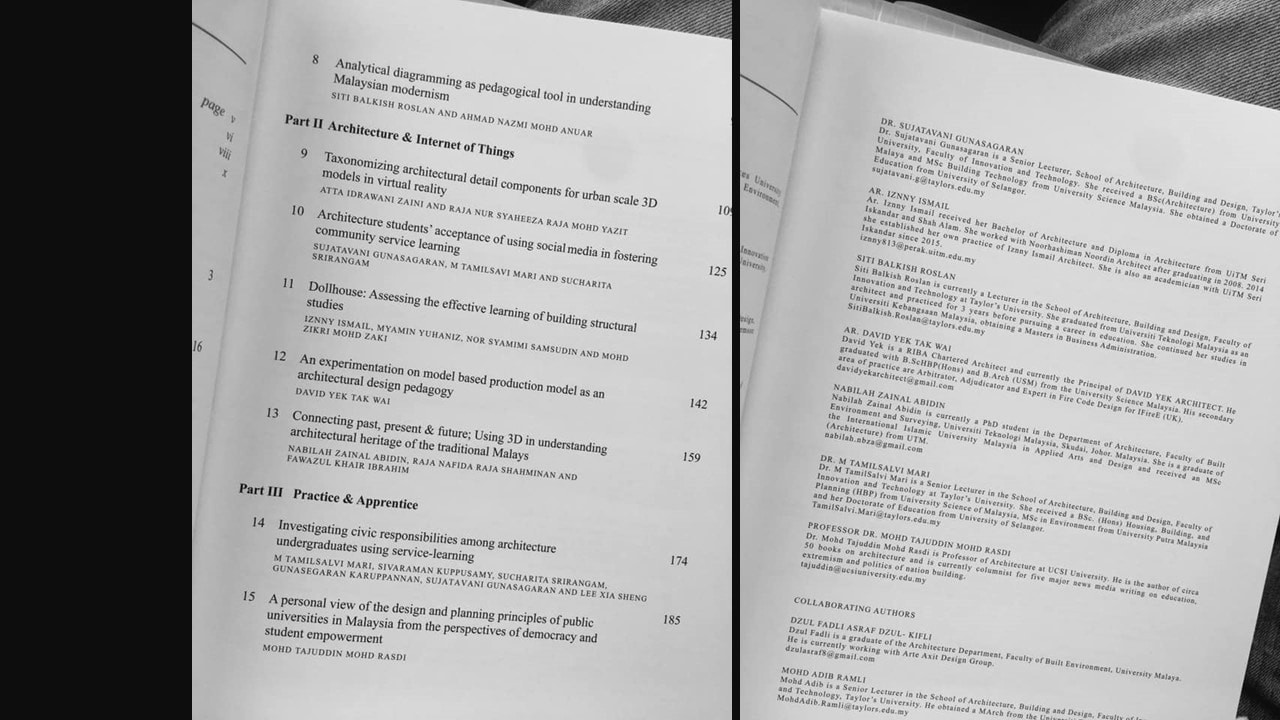
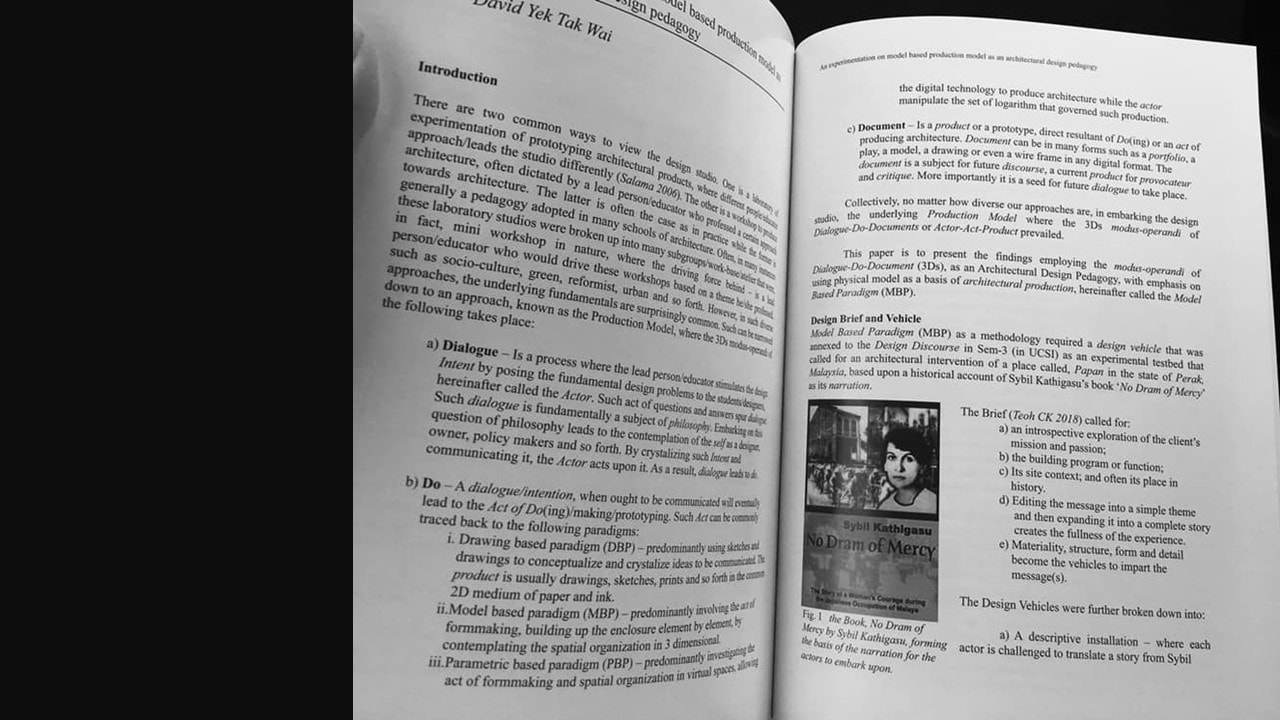
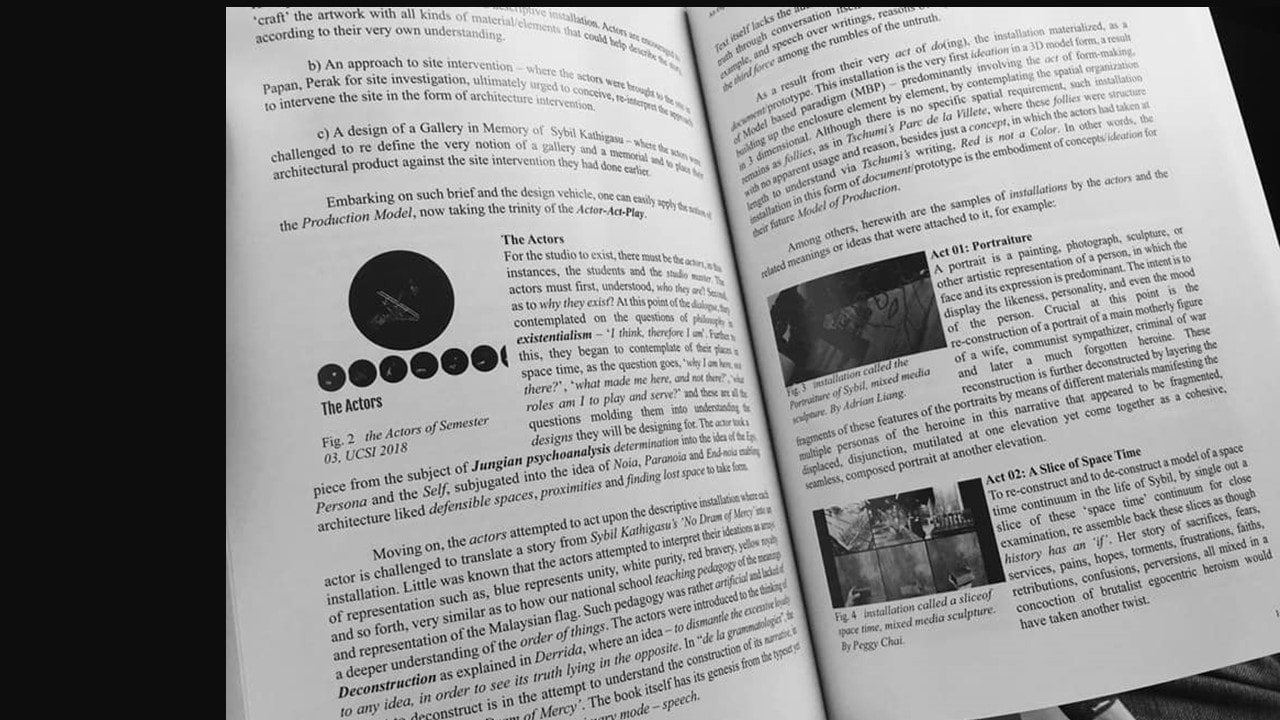
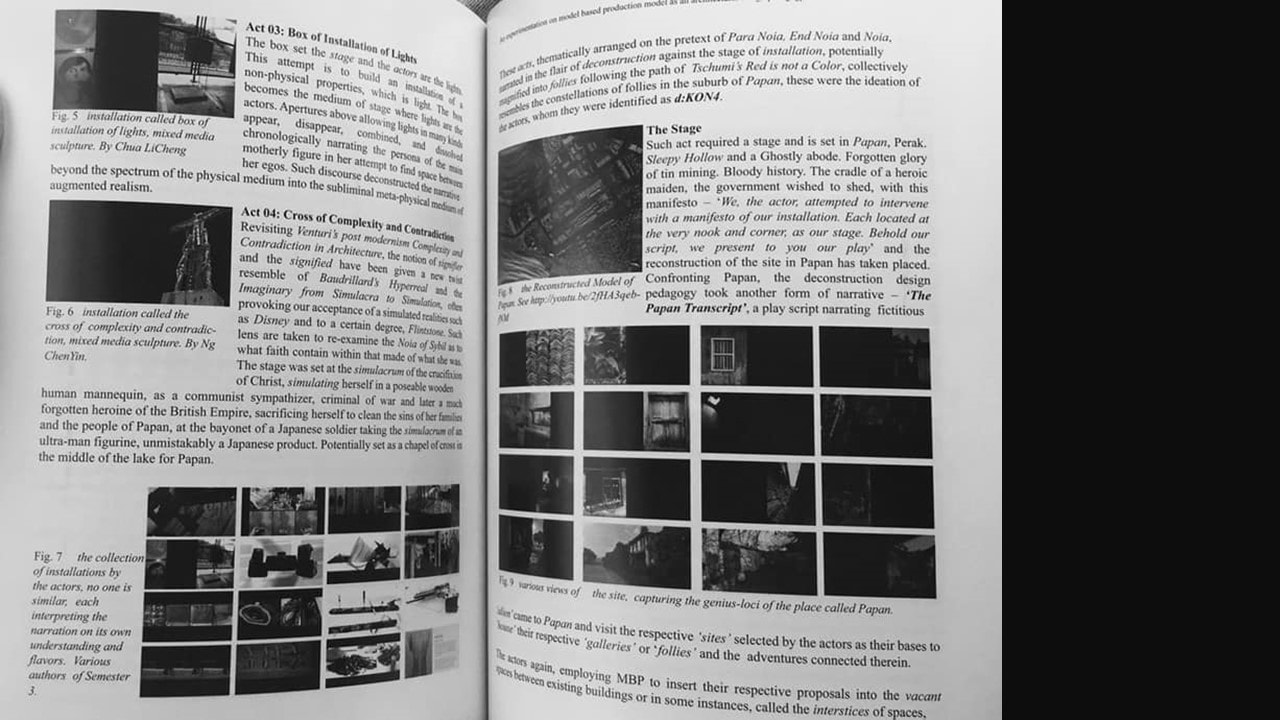
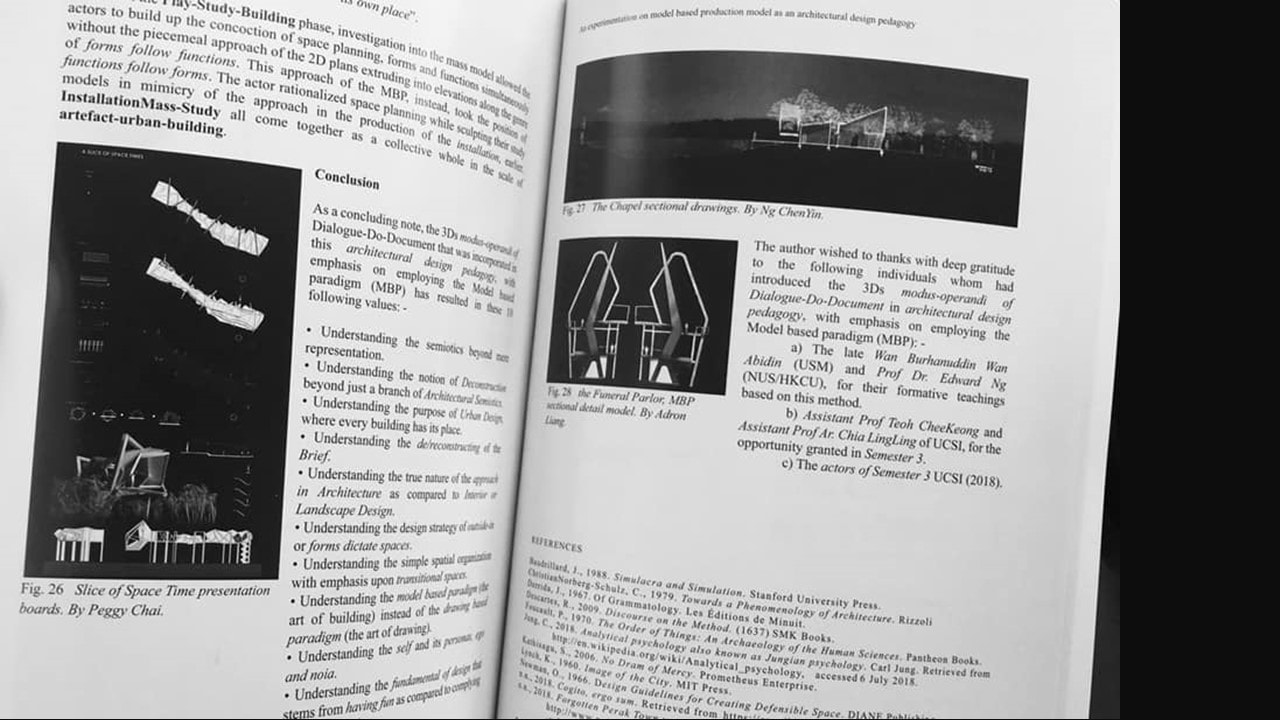
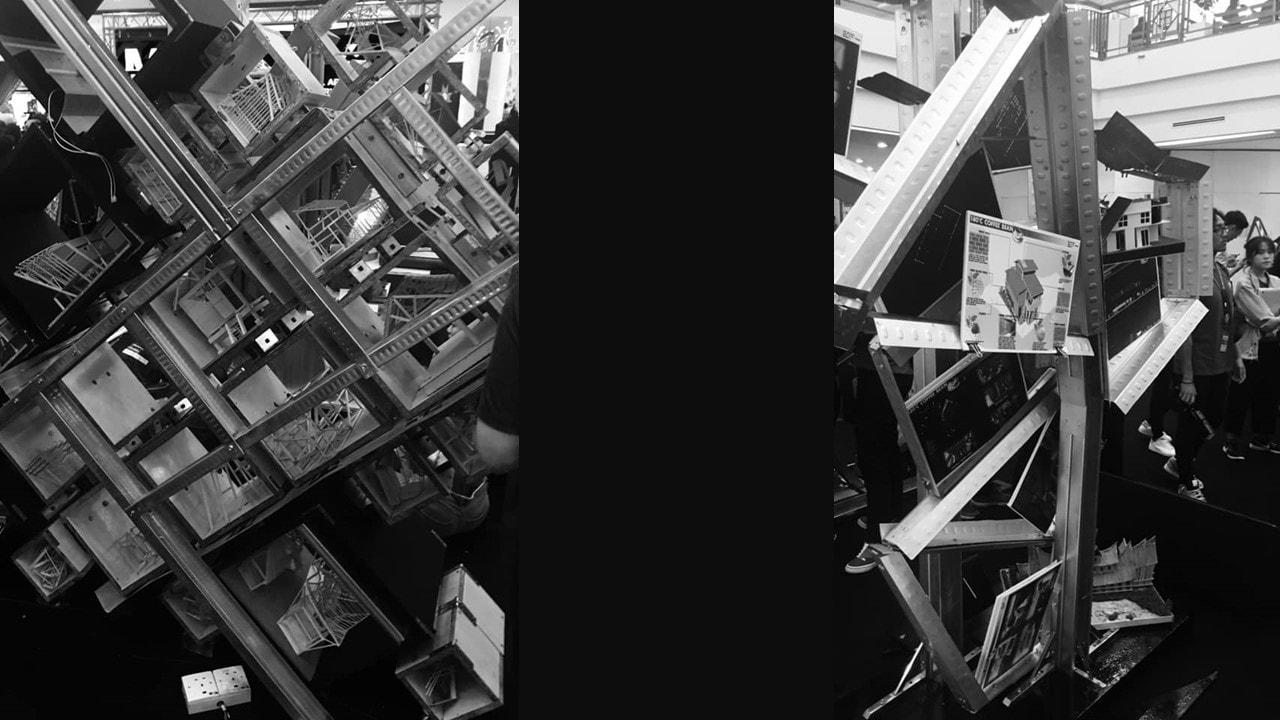
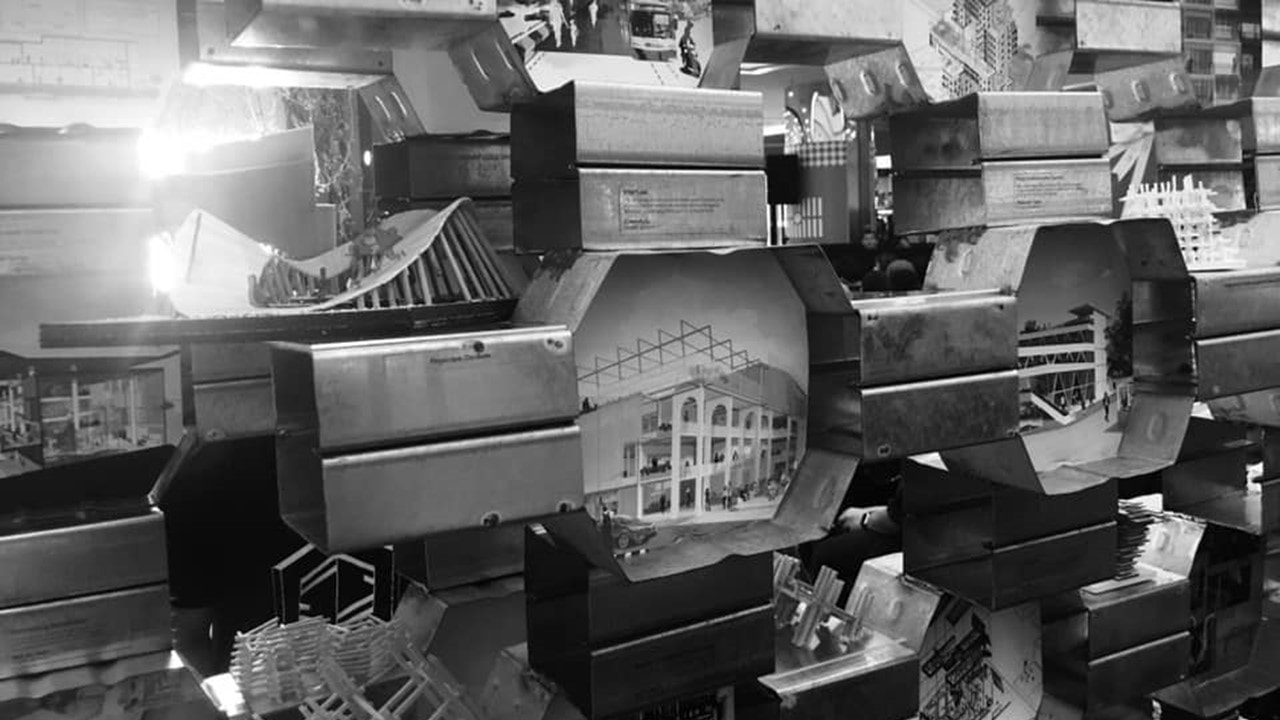
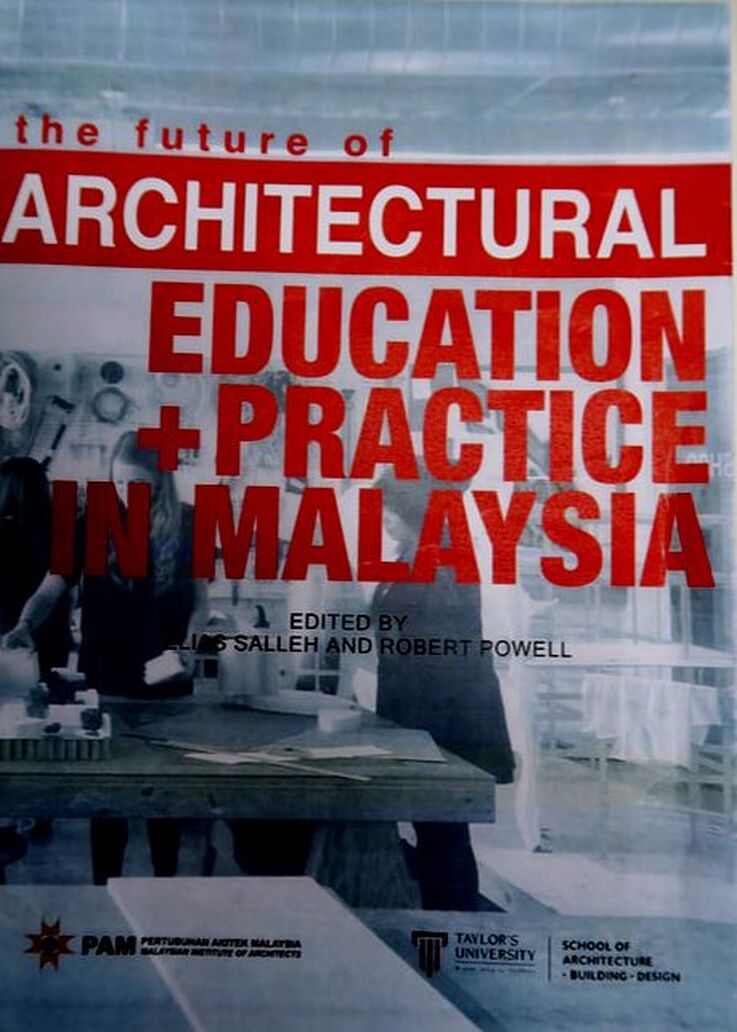
Glimpses into the book The Future of Architectural Education + Practice in Malaysia … retailed at RM50/copy… published by PAM
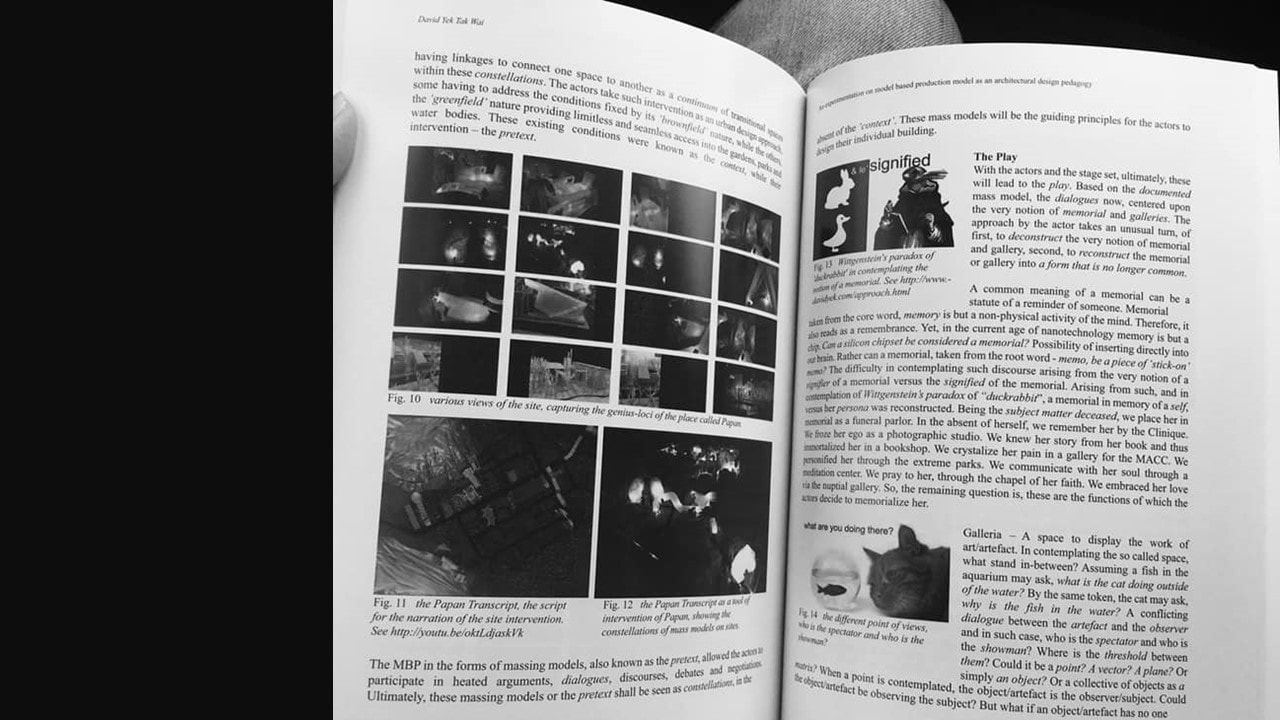
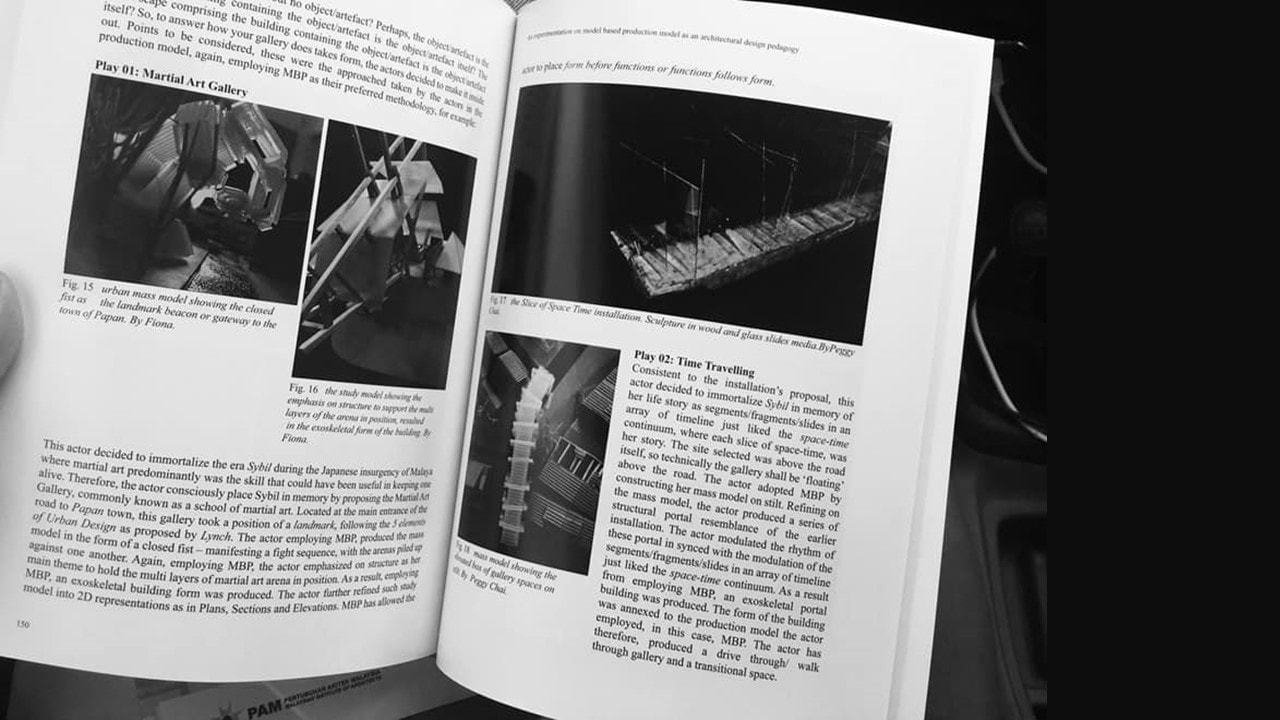
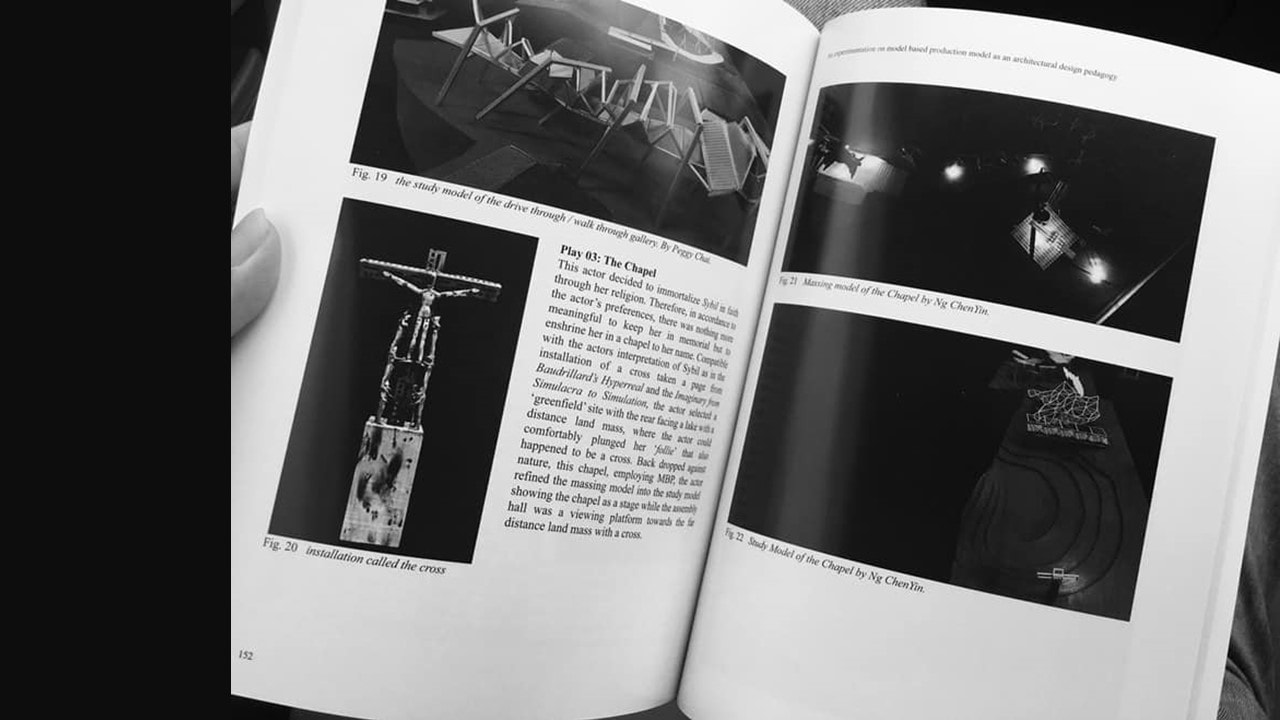
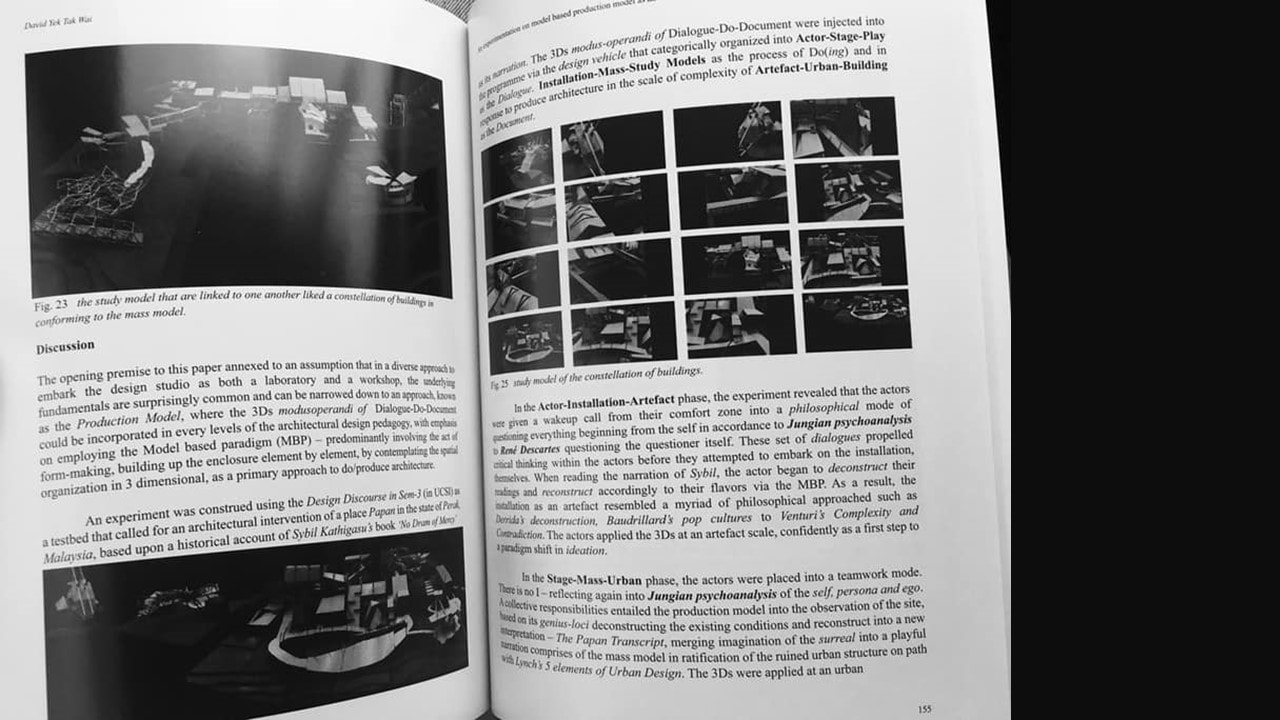










Julius Posener
|
Architectural education in Malaysia had its humble beginnings in a Technical College at Gurney Road (now Jalan Semarak) Kuala Lumpur in the early 1950s. The Technical College offered Diploma courses in key technical disciplines such as Engineering, Building and Surveying. The German-born Head of the Department of Architecture, Julius Posener, was a friend of Le Corbusier and Marcel Breuer and the curriculum in the Technical College was based on the Bauhaus but adapted to the tropics. The Technical College course (funded by the Colombo Plan) was intense and offered an excellent grounding in architecture. In the 2nd year students had to produce a complete set of working drawings. They learned how to calculate beam and joist sizes, how to perform a slump test, and how to design a drainage layout.
The Technical College evolved into the present Universiti Teknologi Malaysia (UTM), which is one of the main government-run institutions of higher education. Thereafter, Malaysian architectural education has been progressively developed through various public as well as private institutions of higher education, guided by the Board of Architects Malaysia (LAM) and the Ministry of Education Malaysia. As of 2019 there are now seventeen (17) accredited Schools of Architecture in Malaysia, eleven (11) of which are fully supported by government. |
Almost sixty years after architectural education was initiated in Malaysia, it would seem most appropriate now to reflect on the state of the art and the way forward for local architectural education, taking into consideration the global and local issues of Sustainable Development Goals that seem to affect every facet of human life. Questions can be asked whether there is sufficient room and willingness to avoid ‘one size fits all’ situation for our local Schools of Architecture?
Going by the current industrial shift taking place, especially in relation to IR4.0, the architectural profession needs to be sufficiently equipped to keep abreast with these developments. Hence there are expectations that future architects would be able to cope with and participate in the new working environment enriched by the internet of things.
|
The relationship between architecture and the real world concerns and architectural practice is a subject matter of great importance to the Board of Architects Malaysia as the governing body for the architectural profession. Thus TamilSalvi Mari explores service-learning as an approach for a strong foundation for students in this respect. Likewise both the physical and working environment in which architectural education takes place has to be conducive and in tune with the creative and explorative nature of architectural education. The contribution by Professor Tajuddin can be viewed as a personal assessment of some current campuses offering architectural programmes.
|
|
Numerous articles on architectural education in Malaysia have been published in learned journals but, surprisingly, this appears to be the very first book to be published by Pertubuhan Akitek Malaysia or indeed by an academic institution, on this important subject. It is anticipated that more will emerge from a reinvigorated PAM Education Committee.
|
|
|
 |
|

|
|
|
|
|
|
|
|
|
2 Aug 2019
Dear authors We have almost completed editing the book ‘The Future of Education + Practice in Malaysia’. Due to space constraints we have to cut the CV’s of the authors to a maximum five lines – basically qualifications, current institution and position in the institution. I attach the file. Would you kindly check for accuracy. Reduce in length if you wish but try not to extend the text. I require this urgently please. I am trying to wrap up the layout next week. Best regards Prof Robert Powell |
|
6 Aug 2019
Dear authors The book went to out to tender today. I attach a docx file. You have the opportunity to ‘tweak’ your OWN paper, correcting minor typos or spelling errors etc. Please indicate in RED. But, please, no major changes that would affect the overall layout or pagination. I am outstation in Sarawak from 7th to 15th August. I hope to advise PAM of the preferred printer on 19th August and have the book published by end of September. Thank you Professor Robert Powell |
|
Dear colleagues
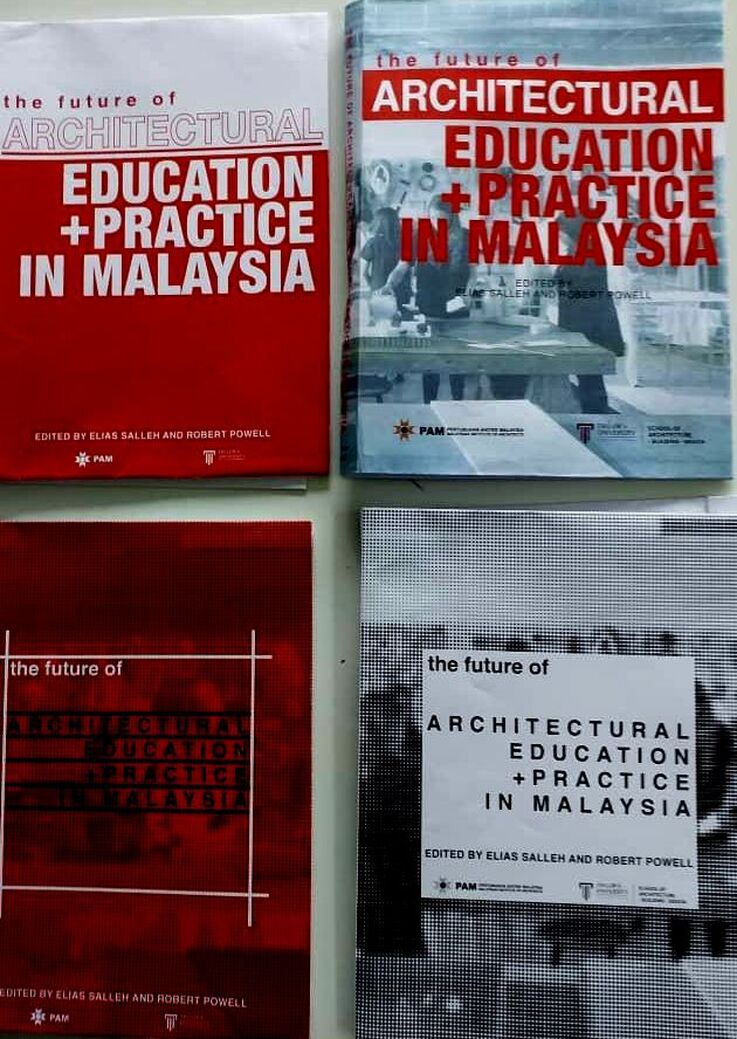
Here is an update on the progress of the book The Future of Architectural Education + Practice in Malaysia. The book layout is now with the designer to make final corrections and format adjustments. That will be completed by Friday this week. Several authors responded to our request to read and correct any errors in their text. Some formatting corrections have been made such as the consistent indentation of paragraphs, omission of ‘widows’ and ‘ hanging lines’ etc. In the Imprint note we have added the usual disclaimer that the content of the chapters is entirely the responsibility of the author(s). We have received quotations from three printers. Unfortunately the cost of printing pages in colour exceeds the PAM budget for the publication. Printing in black and white with the cover in colour is within budget. The book will likely be in black and white unless PAM Education Committee is able to prise more funds from PAM Council. We are hopeful that an ISBN No. will be obtained and PAM Education Committee will be able to instruct the lowest tenderer to proceed before the end of August.
Best regards
Prof Robert Powell